For Sellers June 12, 2025

Solar Panels: Do They Help or Hurt Your Home Sale?

Solar Panels: Do They Help or Hurt Your Home Sale?

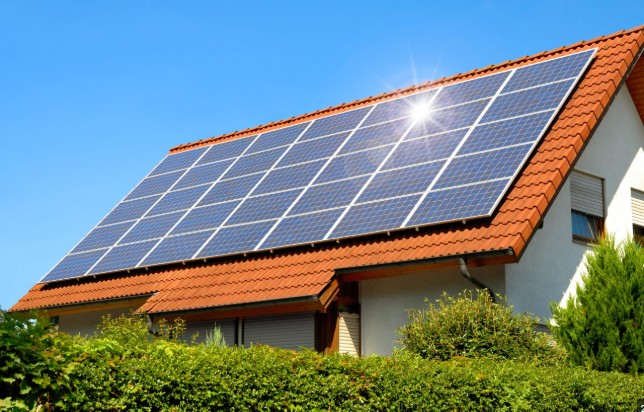
In today’s eco-conscious world, solar panels are more than just a trend—they’re a statement. But when it comes to selling your home, do these shiny rooftop additions help or hurt your chances? The answer isn’t as black and white as you might think. Let’s dive into the real impact of solar panels on home sales in 2025, backed by the latest data, expert opinions, and real estate trends.


1. The Rise of Solar Energy in Residential Real Estate

Over the past decade, solar energy has transitioned from a niche market to a mainstream home upgrade. With rising electricity costs, increasing environmental awareness, and generous government incentives, more homeowners are turning to solar as a smart investment.

According to SolarReviews’ 2025 study, homes with solar panels sold for 6.9% more on average than homes without them

That’s a significant jump from the 4.1% increase reported by Zillow in 2019. With the median U.S. home price hovering around $416,900, that’s nearly $29,000 in added value.

2. The Pros: How Solar Panels Can Help Your Home Sale

Higher Resale Value

Buyers are increasingly willing to pay a premium for homes with solar panels. Why? Because they’re buying into long-term savings on energy bills and a greener lifestyle.

Faster Sales

Homes with solar panels often sell faster. A Forbes report notes that solar-equipped homes sell 20% faster than those without. In a competitive market, that speed can make all the difference.

Energy Savings Appeal

Buyers love the idea of lower utility bills. A well-maintained solar system can slash monthly electricity costs, making the home more attractive.

Tax Incentives and Rebates

Many states offer property tax exemptions for solar installations. In fact, 29 states have some form of solar property tax relief, which can be a major selling point.


3. The Cons: When Solar Panels Might Hurt Your Sale

Leased vs. Owned Panels

One of the biggest pitfalls is leasing. If you don’t own your solar panels outright, the lease must be transferred to the new owner—or bought out. This can complicate the sale and deter buyers.

Aesthetic Concerns

Not everyone loves the look of solar panels. Some buyers may see them as an eyesore, especially if the installation is bulky or outdated.

Maintenance and Repairs

Buyers may worry about the cost of maintaining or replacing solar equipment. If the system is older or not under warranty, it could be seen as a liability.

Financing Confusion

Solar financing can be complex. Buyers unfamiliar with solar loans or power purchase agreements (PPAs) might be hesitant to take on the responsibility.


4. Factors That Influence Solar’s Impact on Home Value

Location, Location, Location

In sunny states like California, Arizona, and Florida, solar panels are almost expected. In less sunny or less eco-conscious regions, the value boost might be smaller.

Electricity Rates

Areas with high electricity costs see greater benefits from solar, making homes with panels more desirable.

System Size and Age

A newer, larger system in good condition will add more value than an older, smaller one. Buyers want efficiency and longevity.

Ownership Status

Owned systems are far more attractive than leased ones. If you’re considering solar, buying the system outright is usually the best move for resale value.


5. Real Estate Agent Insights: What the Pros Say

Many real estate agents agree that solar panels can be a strong selling point—if marketed correctly. Here’s what they recommend:

  • Highlight the Savings: Show potential buyers past utility bills to demonstrate cost reductions.
  • Provide Documentation: Include warranties, maintenance records, and system specs in your listing.
  • Educate Buyers: Not everyone understands solar. Be ready to explain how the system works and what benefits it offers.

6. Case Studies: Real Homes, Real Results

Case Study 1: Phoenix, AZ

A 4-bedroom home with a 7kW solar system sold for $35,000 more than comparable homes without solar. The seller owned the system outright and provided detailed energy savings data.

Case Study 2: Columbus, OH

A home with leased panels sat on the market for 90 days before selling at a discount. Buyers were hesitant due to the lease transfer process.

Case Study 3: San Diego, CA

A modern home with a sleek, integrated solar roof sold in just 5 days—20% above asking price. The system was new, owned, and under warranty.


7. Tips for Maximizing Solar Value When Selling

  1. Own Your System: If possible, avoid leasing. Owned systems are simpler to transfer and more appealing.
  2. Keep It Maintained: Clean panels and up-to-date inverters show buyers the system is in good shape.
  3. Market the Benefits: Use your listing to highlight energy savings, tax incentives, and environmental impact.
  4. Work with a Solar-Savvy Agent: Choose a real estate agent who understands solar and can communicate its value effectively.

8. The Future of Solar in Real Estate

As solar technology improves and becomes more affordable, its role in real estate will only grow. Innovations like solar shingles, battery storage, and smart home integration are making solar even more attractive to buyers.

In the next few years, we can expect:

  • More solar-friendly mortgage options
  • Increased demand for net-zero homes
  • Higher resale premiums for solar-equipped properties

Conclusion: So, Do Solar Panels Help or Hurt Your Home Sale?

In most cases, solar panels help—but only if they’re installed, maintained, and marketed properly. They can boost your home’s value, attract eco-conscious buyers, and speed up the sale process. However, pitfalls like leasing complications or poor system condition can hurt your chances.

If you’re thinking about selling your home and you have solar—or are considering installing it—make sure you understand the full picture. The right approach can turn your solar investment into a major selling advantage.


Are you planning to sell your home and wondering how solar panels will impact your sale? I can help you navigate the process, evaluate your system’s value, and market your home to the right buyers. Let’s connect and make your solar-powered sale a success!


#solarhomes, #realestate2025, #homesellingtips, #solarpanels, #greenhomes, #energyefficienthomes, #sustainableliving, #homevalue, #ecofriendlyhomes, #solarinvestment, #realestatemarketing, #homeupgrades, #sellmyhome, #solarbenefits, #propertyvalue

For Sellers June 11, 2025

The Best Smart Home Features for Resale Value in 2025

Best Smart Home Features to Help Sell Your Home (2025)

If you want to sell your home faster and for more money, smart home features can help. These upgrades are easy to use and very popular with buyers. They make life safer, easier, and more fun.

Let’s look at the best smart features to add before you sell.


1. Smart Security

First, let’s talk about safety. Buyers want to feel secure. Smart security systems help with that.

What to add:

  • Video doorbells
  • Smart locks
  • Cameras

Why it helps:

  • You can see who’s at the door.
  • You can lock or unlock from your phone.
  • Buyers feel more protected.

As a result, homes with smart security often sell faster.


2. Smart Thermostat

Next, think about comfort and savings. A smart thermostat controls your heating and cooling. It learns your habits and saves energy.

Why it helps:

  • Lowers energy bills.
  • Buyers like saving money.
  • You can change the temperature from your phone.

In addition, many buyers look for energy-efficient homes.


3. Smart Lights

After that, consider smart lighting. These lights can turn on and off by themselves. You can also change their color or brightness.

Why it helps:

  • Saves energy.
  • Looks modern.
  • Easy to control with your phone or voice.

Plus, smart lights make your home look great during showings.


4. Smart Kitchen Appliances

Now let’s move to the kitchen. Smart fridges, ovens, and dishwashers are very popular.

Why it helps:

  • Makes cooking easier.
  • Looks high-tech.
  • Buyers love modern kitchens.

Because of this, smart kitchens can really impress buyers.


5. Smart Sprinklers

Don’t forget the outside. Smart sprinklers water your lawn only when needed. They check the weather and adjust.

Why it helps:

  • Saves water.
  • Keeps your yard green.
  • No need to do it yourself.

As a result, your home has better curb appeal.


6. Voice Assistants

Also, voice assistants like Alexa or Google Assistant are a big hit. They let you control your home with your voice.

Why it helps:

  • Easy to use.
  • Controls lights, music, and more.
  • Feels high-tech.

In short, they make your home feel smart and fun.


7. Smart Blinds

Another great feature is smart blinds. These open and close on a schedule or with your phone.

Why it helps:

  • Saves energy.
  • Adds privacy.
  • Looks stylish.

Therefore, they’re a great upgrade for any room.


8. Smart Garage Door

Let’s not forget the garage. A smart garage door lets you open or close it from your phone.

Why it helps:

  • No more forgetting to close it.
  • Great for deliveries.
  • Adds security.

In the end, it’s a small change that makes a big difference.


9. Whole-Home Systems

If you want full control, try a whole-home system. These connect all your smart devices in one app.

Why it helps:

  • Easy to manage everything.
  • Great for large homes.
  • Buyers love full control.

Because of this, they’re perfect for high-end listings.


10. Smart Smoke Alarms

Safety is always important. Smart smoke and carbon monoxide alarms send alerts to your phone.

Why it helps:

  • Keeps your family safe.
  • Buyers trust smart safety tools.
  • May lower insurance costs.

So, this is a smart upgrade that protects your home.


11. Water Leak Sensors

Leaks can cause big problems. Smart sensors warn you if there’s water under sinks or near pipes.

Why it helps:

  • Stops damage early.
  • Saves money.
  • Shows buyers you care for your home.

In other words, it’s a small tool with big value.


12. Smart Certifications

Finally, homes with smart and energy-saving features can get special labels like Energy Star or LEED.

Why it helps:

  • Makes your home stand out.
  • Buyers trust certified homes.
  • Can raise your home’s value.

As a result, your home may sell faster and for more.


What Buyers Want in 2025

Here’s what we know:

  • Most buyers want smart features.
  • Many will pay more for them.
  • Younger buyers expect tech in homes.

So, adding smart features is a smart move.


Tips to Get the Most Value

To get the best results:

  1. Start with lights, thermostats, and security.
  2. Pick devices that work together.
  3. Keep it simple.
  4. Show off the tech in your listing.
  5. Let buyers try it during showings.

That way, your home will stand out.


Final Thoughts

In conclusion, smart home features help your home sell faster and for more money. Even small upgrades can make a big difference.


Let’s Get Started

Want help picking the best smart upgrades? I’m here to guide you. Let’s make your home stand out and sell for top dollar.

📞 Contact me today for a free home tech check!


#SmartHome, #RealEstateTips, #HomeSelling, #SmartHomeTechnology, #RealtorLife, #HomeUpgrades, #EnergyEfficiency, #HomeSecurity, #TechSavvyLiving, #ModernLiving, #HomeAutomation, #CincinnatiRealEstate, #LuxuryHomes, #HomeValue, #SellYourHome


For Sellers June 10, 2025

How to Time Your Sale and Purchase Perfectly: A Realtor’s Guide to Seamless Real Estate Moves

How to Time Your Sale and Purchase Perfectly: A Realtor’s Guide to Seamless Real Estate Moves

Buying and selling a home at the same time is one of the most exciting—and challenging—experiences in real estate. Whether you’re upsizing, downsizing, relocating, or simply ready for a change, the key to a smooth transition lies in timing. Perfectly aligning your sale and purchase can save you thousands of dollars, reduce stress, and help you avoid temporary housing or double mortgage payments.

As a seasoned real estate professional, I’ve helped countless clients navigate this delicate dance. In this guide, I’ll walk you through everything you need to know to time your sale and purchase perfectly, from understanding market conditions to negotiating rent-backs and managing closing dates.


1. Understand the Market You’re In

Before you make any moves, you need to know whether you’re in a buyer’s market, a seller’s market, or a balanced market.

  • Buyer’s Market: More homes are for sale than buyers. Great for purchasing, but your current home may take longer to sell.
  • Seller’s Market: More buyers than homes. Your home may sell quickly, but finding a new one could be tough.
  • Balanced Market: Supply and demand are relatively equal. This is the ideal scenario for timing both transactions.

Pro Tip: Use local data, not national trends. Real estate is hyper-local. I can provide a custom market analysis for your neighborhood and target area.


2. Start With a Strategy Session

The first step is to sit down with a trusted real estate agent (like me!) to map out your goals, timeline, and financial situation. We’ll discuss:

  • Your ideal move-in and move-out dates
  • Your home’s current market value
  • Your budget for the next home
  • Financing options and contingencies

This session sets the foundation for a well-timed plan.


3. Get Pre-Approved Early

Before you list your home or start shopping, get pre-approved for a mortgage. This gives you:

  • A clear budget
  • Stronger negotiating power
  • Confidence to act quickly when the right home appears

Bonus: Pre-approval also helps us time your sale better, since we’ll know how much equity you’ll need from your current home.


4. Use Contingencies Wisely

Contingencies are your safety net. The most common ones include:

  • Sale Contingency: You buy your new home only if your current one sells.
  • Settlement Contingency: You buy only if your current home closes.
  • Home of Choice Contingency: You sell only if you find a new home.

These clauses protect you from being stuck with two homes—or none at all.


5. Consider a Rent-Back Agreement

If your home sells before you find a new one, a rent-back can be a lifesaver. This allows you to stay in your home for a few days or weeks after closing, essentially renting it from the new owner.

This gives you time to:

  • Close on your new home
  • Avoid moving twice
  • Reduce stress

Not all buyers will agree to this, but in a competitive market, many will.


6. Explore Bridge Loans or HELOCs

If you need to buy before you sell, a bridge loan or home equity line of credit (HELOC) can help. These short-term financing options let you tap into your current home’s equity to fund your next purchase.

Important: These loans come with risks and fees, so we’ll review them carefully together.


7. Time Your Closings Strategically

The ideal scenario? Back-to-back closings—you sell your home in the morning and buy your new one in the afternoon.

To make this happen:

  • Work with a skilled agent and lender
  • Choose flexible closing dates
  • Communicate constantly with all parties

Even if the closings are a few days apart, we can plan for temporary housing or storage.


8. Prepare Your Home for a Quick Sale

To sell quickly and for top dollar, your home needs to shine. I’ll help you:

  • Stage your home professionally
  • Price it competitively
  • Market it aggressively

The faster we sell, the easier it is to time your purchase.


9. Be Ready to Act Fast

In today’s fast-paced market, homes can go under contract in days—or hours. That’s why we’ll:

  • Set up instant alerts for new listings
  • Schedule showings quickly
  • Submit strong, clean offers

Being prepared gives you the edge.


10. Use Temporary Housing as a Backup Plan

Sometimes, despite our best efforts, the timing doesn’t align perfectly. That’s okay! We can plan for:

  • Short-term rentals
  • Extended-stay hotels
  • Staying with family or friends

I’ll also coordinate movers and storage if needed.


11. Leverage Technology to Stay Ahead

From virtual tours to e-signatures, today’s tech tools make it easier than ever to buy and sell simultaneously. I use:

  • Digital marketing to attract buyers
  • Virtual staging and 3D walkthroughs
  • Online scheduling and document signing

This keeps everything moving—even if you’re relocating from out of town.


12. Stay Flexible and Communicate Constantly

The most successful clients are those who stay flexible and communicate openly. Real estate is full of moving parts, and sometimes we need to pivot.

I’ll keep you updated every step of the way, and together we’ll adjust as needed.


13. Work With a Realtor Who Knows the Game

Timing your sale and purchase perfectly isn’t just about luck—it’s about strategy, experience, and execution. As your dedicated real estate partner, I’ll:

  • Analyze the market daily
  • Negotiate fiercely on your behalf
  • Coordinate all the moving pieces

You don’t have to do this alone. I’ve got your back.


Let’s Make Your Move Seamless

If you’re thinking about buying and selling at the same time, now is the perfect moment to start planning. With the right strategy, expert guidance, and a little flexibility, we can make your transition smooth, profitable, and even enjoyable.

📞 Call me today to schedule your personalized strategy session. Let’s time your sale and purchase perfectly—together.


#RealEstateTips, #HomeBuying, #HomeSelling, #RealEstateStrategy, #MovingTips, #MarketTiming, #RealtorLife, #BuyAndSell, #RealEstateExpert, #HomeGoals, #RealEstateAdvice, #SellYourHome, #BuyAHome, #RealEstateCincinnati, #CincyHomes, #HousingMarket2025, #RealEstatePlanning, #BridgeLoan, #RentBack, #ContingencyPlanning

For BuyersFor Sellers June 9, 2025

Real Estate Terms Every Buyer and Seller Should Know

Real Estate Terms Every Buyer and Seller Should Know

Whether you’re buying your first home, selling your fifth, or just exploring the market, real estate can feel like learning a new language. From “escrow” to “contingency,” the terminology can be overwhelming. But don’t worry—this guide breaks down the most essential real estate terms every buyer and seller should know, so you can navigate your transaction with confidence.

And if you’re in the Cincinnati area, Mike McEntush is the expert you want by your side. With over a decade of experience, a passion for educating clients, and a deep understanding of the local market, Mike is your go-to REALTOR® for a smooth and successful real estate journey.


1. Listing Agreement

listing agreement is a contract between a homeowner and a real estate agent that gives the agent the right to sell the home. It outlines the terms of the sale, including the commission, listing price, and duration of the agreement.

Why it matters: Sellers should understand what they’re agreeing to before signing. Mike McEntush ensures his clients are fully informed before moving forward.


2. MLS (Multiple Listing Service)

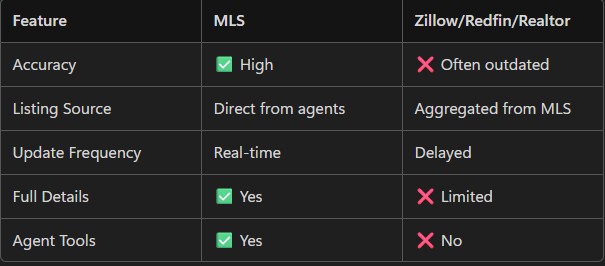
The MLS is a database where real estate agents list properties for sale. It allows agents to share information and helps buyers find homes that meet their criteria.

Pro tip: Mike uses the MLS to give his clients access to the most up-to-date listings in Cincinnati and surrounding areas.


3. Pre-Approval vs. Pre-Qualification

  • Pre-qualification is an estimate of how much you might be able to borrow.
  • Pre-approval is a more formal process where a lender verifies your financial information.

Why it matters: A pre-approval letter strengthens your offer. Mike can connect you with trusted lenders to get started.


4. Contingency

contingency is a condition that must be met for a real estate contract to become binding. Common contingencies include:

  • Home inspection
  • Appraisal
  • Financing

Mike’s tip: Always understand your contingencies. They protect your interests but can also affect your offer’s competitiveness.


5. Earnest Money

This is a deposit made by the buyer to show they’re serious about purchasing the home. It’s typically 1–3% of the purchase price and is held in escrow.

Good to know: If the deal falls through due to a contingency, the buyer usually gets this money back.


6. Escrow

Escrow is a neutral third party that holds funds and documents until all conditions of the sale are met.

Why it matters: Escrow ensures both parties are protected. Mike works closely with escrow officers to keep transactions on track.


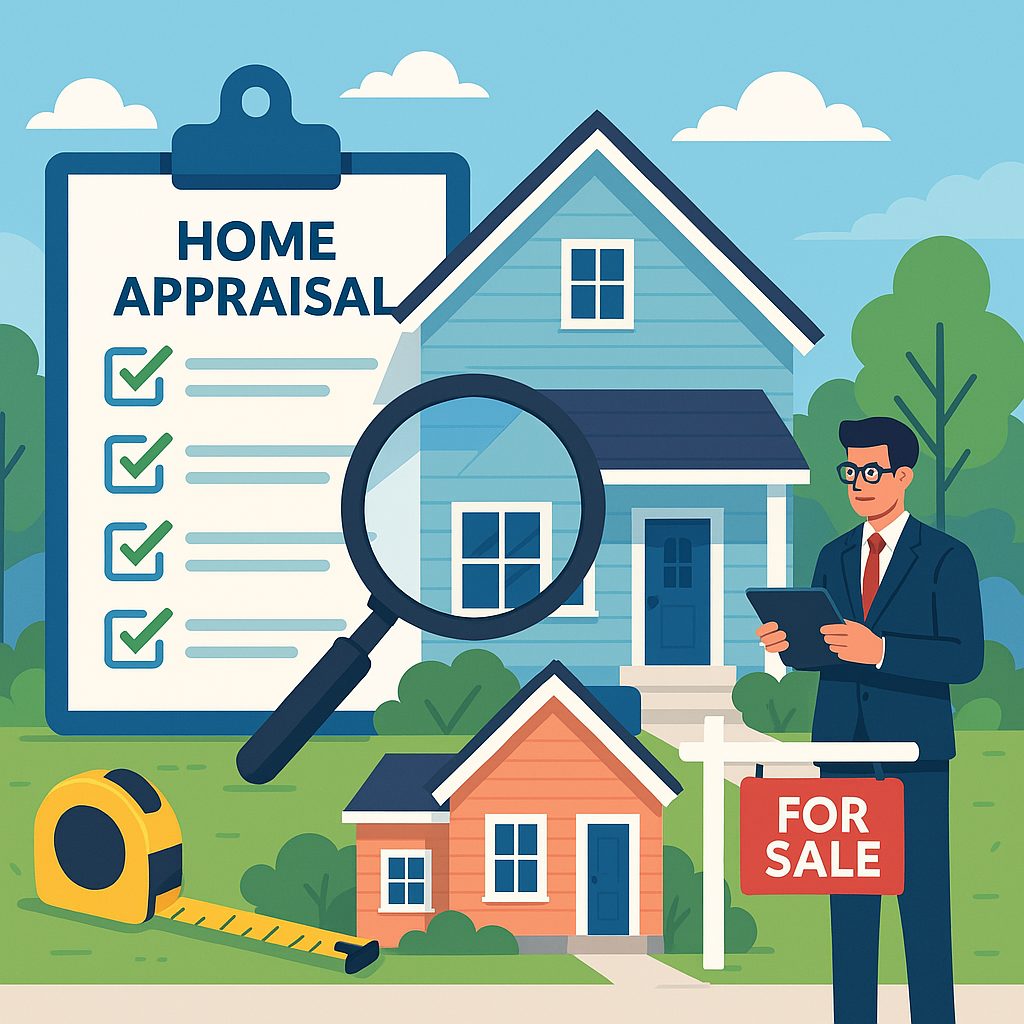
7. Appraisal

An appraisal is an unbiased estimate of a home’s value, usually required by lenders to ensure the loan amount isn’t more than the home is worth.

Mike’s insight: If an appraisal comes in low, he’ll help you renegotiate or explore your options.


8. Closing Costs

These are fees paid at the end of a real estate transaction. They include:

  • Title insurance
  • Loan origination fees
  • Attorney fees
  • Taxes

Tip: Buyers and sellers both have closing costs. Mike provides a detailed estimate early in the process so there are no surprises.


9. Title Insurance

Title insurance protects against legal claims to the property. It ensures the seller has the right to transfer ownership.

Why it matters: It’s a one-time fee that can save you from costly legal issues down the road.


10. Home Inspection

home inspection is a thorough review of the property’s condition, including the roof, plumbing, electrical, and more.

Mike’s advice: Never skip the inspection. He’ll recommend trusted inspectors and help you interpret the results.


11. FSBO (For Sale By Owner)

This means the homeowner is selling without a real estate agent. While it might seem like a way to save money, it often leads to complications.

Mike’s take: He’s helped many clients navigate FSBO deals and avoid costly mistakes.


12. Comparative Market Analysis (CMA)

CMA is a report that compares your home to similar properties in the area to determine a fair market value.

Why it matters: Mike provides a free CMA to help sellers price their homes competitively and attract buyers.


13. Pending vs. Under Contract

  • Under contract means an offer has been accepted but contingencies remain.
  • Pending means all contingencies have been met and the deal is close to closing.

Mike’s insight: He tracks these statuses closely to help buyers find opportunities and sellers stay informed.


14. HOA (Homeowners Association)

An HOA manages common areas and enforces rules in certain communities. Fees vary and can affect your budget.

Tip: Mike helps buyers understand HOA rules and fees before making an offer.


15. Dual Agency

This occurs when one agent represents both the buyer and seller. It’s legal in some states but can create conflicts of interest.

Mike’s policy: He prioritizes transparency and always puts his clients’ interests first.


16. Amortization

This is the process of paying off a loan over time through regular payments. Early payments mostly cover interest, while later ones pay down the principal.

Why it matters: Understanding amortization helps you plan your finances long-term.


17. Equity

Equity is the difference between your home’s value and what you owe on your mortgage. It grows as you pay down your loan or if your home’s value increases.

Mike’s tip: He can help you tap into your equity for renovations or investment opportunities.


18. Short Sale

short sale happens when a home is sold for less than the amount owed on the mortgage. It requires lender approval and can be complex.

Mike’s experience: He’s handled many short sales and can guide you through the process.


19. REO (Real Estate Owned)

These are properties owned by banks after foreclosure. They’re often sold “as-is” and can be a good deal for investors.

Mike’s advice: He’ll help you evaluate whether an REO is a smart investment.


20. Closing Disclosure

This document outlines the final terms of your loan, including monthly payments and closing costs. You’ll receive it at least three days before closing.

Mike’s role: He reviews this with you to ensure everything is accurate and clear.


Why Work with Mike McEntush?

Navigating real estate is easier when you have a knowledgeable, approachable, and dedicated professional by your side. Mike McEntush is more than just a REALTOR®—he’s your advocate, educator, and guide through every step of the process.

With over 14 years of experience, Mike has helped hundreds of buyers and sellers across Cincinnati, Milford, Loveland, Batavia, and beyond. His background in education and athletic training gives him a unique edge: he’s patient, strategic, and always focused on helping you win.

Whether you’re buying your dream home, selling your current one, or investing in property, Mike brings the energy, expertise, and integrity you need.


Ready to Make Your Move?

Don’t let confusing real estate jargon hold you back. Whether you’re buying or selling, Mike McEntush is here to help you understand every term, every step, and every opportunity.

📞 Call or text Mike today at (513) 675-1702
📧 Email: mike.mcentush@cbrealty.com
🌐 Visit: www.MikeSellsCincyHomes.com

Let’s turn your real estate goals into reality—together.


#RealEstate, #HomeBuying, #HomeSelling, #RealEstateTips, #CincinnatiRealEstate, #MikeMcEntush, #ColdwellBanker, #RealtorLife, #HomeOwnership, #RealEstateExpert, #PropertyInvestment, #HouseHunting, #RealEstateMarket, #FirstTimeHomeBuyer, #DreamHome

For BuyersFor Sellers June 6, 2025

How to Buy and Sell a Home at the Same Time: Expert Tips from Realtor Mike McEntush

Buying and Selling a Home at the Same Time: The Ultimate Guide

Buying a new home while selling your current one is a real estate balancing act that can feel like walking a tightrope. It’s a complex process filled with emotional, financial, and logistical challenges—but with the right strategy and expert guidance, it can be a smooth and rewarding experience.

1. Why People Buy and Sell at the Same Time

Life doesn’t always wait for the perfect moment. Many homeowners find themselves needing to buy and sell simultaneously due to:

  • Growing families needing more space
  • Empty nesters looking to downsize
  • Job relocations
  • Desire for a better neighborhood or school district
  • Financial opportunities like low interest rates or rising home values

Whatever your reason, the goal is the same: to transition from one home to another with minimal stress and maximum financial benefit.


2. The Challenges of Simultaneous Transactions

Buying and selling at the same time introduces a unique set of challenges:

  • Timing the transactions so you’re not left without a home—or with two mortgages
  • Coordinating closings and move-in/move-out dates
  • Managing finances for down payments, closing costs, and moving expenses
  • Emotional stress of juggling two major life events

But don’t worry—these challenges are manageable with the right plan and professional support.


3. Step-by-Step Strategy for Success

Here’s a proven roadmap to help you navigate the process:

Step 1: Understand Your Financial Position

  • Get pre-approved for a mortgage
  • Know your home equity
  • Determine your budget for the new home

Step 2: Choose the Right Realtor

  • Work with a professional like Mike McEntush (513-675-1702) who has experience handling dual transactions

Step 3: Prepare Your Current Home for Sale

  • Declutter, stage, and make necessary repairs
  • Get a comparative market analysis (CMA)

Step 4: Start House Hunting

  • Identify your must-haves and nice-to-haves
  • Be ready to act quickly when the right home appears

Step 5: List Your Home

  • Time your listing to align with your buying goals
  • Consider listing before or after making an offer on a new home (more on this below)

Step 6: Coordinate Closings

  • Work with your realtor and lender to align timelines
  • Use contingency clauses to protect yourself

4. Financing Options: Bridging the Gap

One of the biggest hurdles is financing your new home before selling your current one. Here are some options:

Bridge Loan

A short-term loan that uses your current home’s equity to fund the down payment on your new home.

Home Equity Line of Credit (HELOC)

Tap into your home’s equity before listing it for sale.

Sale-Leaseback

Sell your home and lease it back temporarily while you find your next one.

Contingent Offer

Make an offer on a new home that’s contingent on the sale of your current home.

Each option has pros and cons—Mike McEntush can help you choose the best fit for your situation.


5. Timing the Market: Sell First or Buy First?

This is the million-dollar question. Here’s a breakdown:

Sell First

Pros:

  • Know exactly how much you can spend
  • Avoid carrying two mortgages

Cons:

  • May need temporary housing
  • Risk of not finding a new home quickly

Buy First

Pros:

  • Move directly into your new home
  • Avoid temporary housing

Cons:

  • Financial strain of two mortgages
  • Risk if your current home doesn’t sell quickly

The best choice depends on your financial flexibility, local market conditions, and personal comfort level.


6. Contingency Clauses: Your Safety Net

Contingencies are contract clauses that protect you during the buying and selling process. Common ones include:

  • Home Sale Contingency: Your purchase depends on selling your current home
  • Home Purchase Contingency: Your sale depends on buying a new home
  • Financing Contingency: Your offer depends on securing a mortgage

These clauses can give you peace of mind—but they also affect how competitive your offer is. A skilled negotiator like Mike McEntush can help you strike the right balance.


7. Working with the Right Realtor

This is where everything comes together. A seasoned realtor will:

  • Price your home competitively
  • Market it effectively
  • Help you find your next home
  • Coordinate timelines and negotiations
  • Connect you with trusted lenders, inspectors, and movers

Mike McEntush (513-675-1702) has the local expertise, negotiation skills, and dedication to make your transition seamless.


8. Tips for a Smooth Transition

  • Declutter early to make moving easier
  • Stay organized with a checklist and calendar
  • Communicate frequently with your realtor and lender
  • Be flexible—things may not go exactly as planned
  • Have a backup plan for temporary housing or storage

9. Real-Life Scenarios and Solutions

Scenario 1: The Quick Sale

You list your home and it sells in a week—but you haven’t found a new one yet. Solution: Negotiate a rent-back agreement with the buyer.

Scenario 2: The Dream Home Appears First

You find your dream home before listing yours. Solution: Use a bridge loan or make a contingent offer.

Scenario 3: Both Deals Close on the Same Day

This is ideal but requires precise coordination. Solution: Work with a realtor who can manage both timelines effectively.


10. Final Thoughts and Next Steps

Buying and selling a home at the same time is a big undertaking—but it’s absolutely doable with the right strategy and support. The key is preparation, flexibility, and working with a trusted professional who can guide you through every twist and turn.


#RealEstate, #HomeForSale, #JustListed, #LuxuryRealEstate, #DreamHome, #RealtorLife, #HouseHunting, #NewListing, #RealEstateInvesting, #OpenHouse, #InvestmentProperty, #RealEstateMarketing, #PropertyForSale, #RealtyExperts, #BuySellRent

For BuyersFor Sellers June 5, 2025

🏡 Navigating Today’s Housing Market: Interest Rates, Hidden Costs & Smart Buying Tips

🏡 Navigating Today’s Housing Market: Interest Rates, Hidden Costs & Smart Buying Tips (June 2025)

The dream of homeownership is alive and well in 2025—but navigating the current real estate landscape requires more insight and preparation than ever. With interest rates hovering near 7% and housing inventory slowly rebounding, buyers are facing a unique mix of challenges and opportunities.

Whether you’re a first-time buyer or a seasoned homeowner looking to upgrade, understanding today’s mortgage rates, hidden costs, and smart buying strategies can make all the difference. Let’s dive into what you need to know to make a confident, informed decision in today’s market.


📈 Current Mortgage Interest Rates (June 2025)

As of June 2025, mortgage interest rates have stabilized after several years of volatility. Here’s a snapshot of the average rates for various loan types:

Loan Type Average Interest Rate
30-Year Fixed 6.83% – 6.91%
15-Year Fixed 6.03% – 6.09%
30-Year FHA ~6.60%
30-Year VA ~6.47%
30-Year USDA ~6.46%
30-Year Jumbo 6.86% – 6.95%

What These Rates Mean for You

Let’s say you’re purchasing a $350,000 home with a 20% down payment. At a 6.9% interest rate on a 30-year fixed mortgage, your monthly principal and interest payment would be around $1,846—not including taxes, insurance, or other costs.

Compare that to just a few years ago when rates were under 4%, and you can see how today’s rates significantly impact affordability. However, with inflation cooling and the Federal Reserve signaling stability, many experts believe we may have reached a plateau.


💸 The Hidden Costs of Buying a Home

Interest rates are just one piece of the puzzle. Many buyers are surprised by the additional costs that come with purchasing a home. Here are the most common hidden expenses to budget for:

1. Closing Costs

Typically 2%–5% of the home’s purchase price, closing costs include:

  • Loan origination fees
  • Title insurance
  • Appraisal and inspection fees
  • Attorney fees (in some states)
  • Escrow deposits

2. Property Taxes

These vary by location but can add thousands annually to your housing costs. Always check the local tax rate and whether it’s expected to increase.

3. Homeowners Insurance

Required by lenders, this protects your home from damage or loss. Costs vary based on location, home value, and coverage level.

4. Private Mortgage Insurance (PMI)

If your down payment is less than 20%, you’ll likely pay PMI—typically 0.5%–1% of the loan amount annually.

5. Maintenance and Repairs

From HVAC tune-ups to roof repairs, homeownership comes with ongoing upkeep. Experts recommend budgeting 1%–2% of your home’s value annually for maintenance.

6. HOA Fees

If you’re buying in a community with a homeowners association, monthly or annual fees may apply. These can range from $100 to over $1,000 depending on amenities and services.


🔍 What to Look for When Buying in 2025

With rates high and inventory competitive, buyers need to be strategic. Here’s what to focus on:

✅ Get Pre-Approved

Before you start house hunting, get pre-approved for a mortgage. This shows sellers you’re serious and gives you a clear budget.

✅ Know Your Credit Score

Your credit score directly impacts your interest rate. A higher score can save you thousands over the life of your loan.

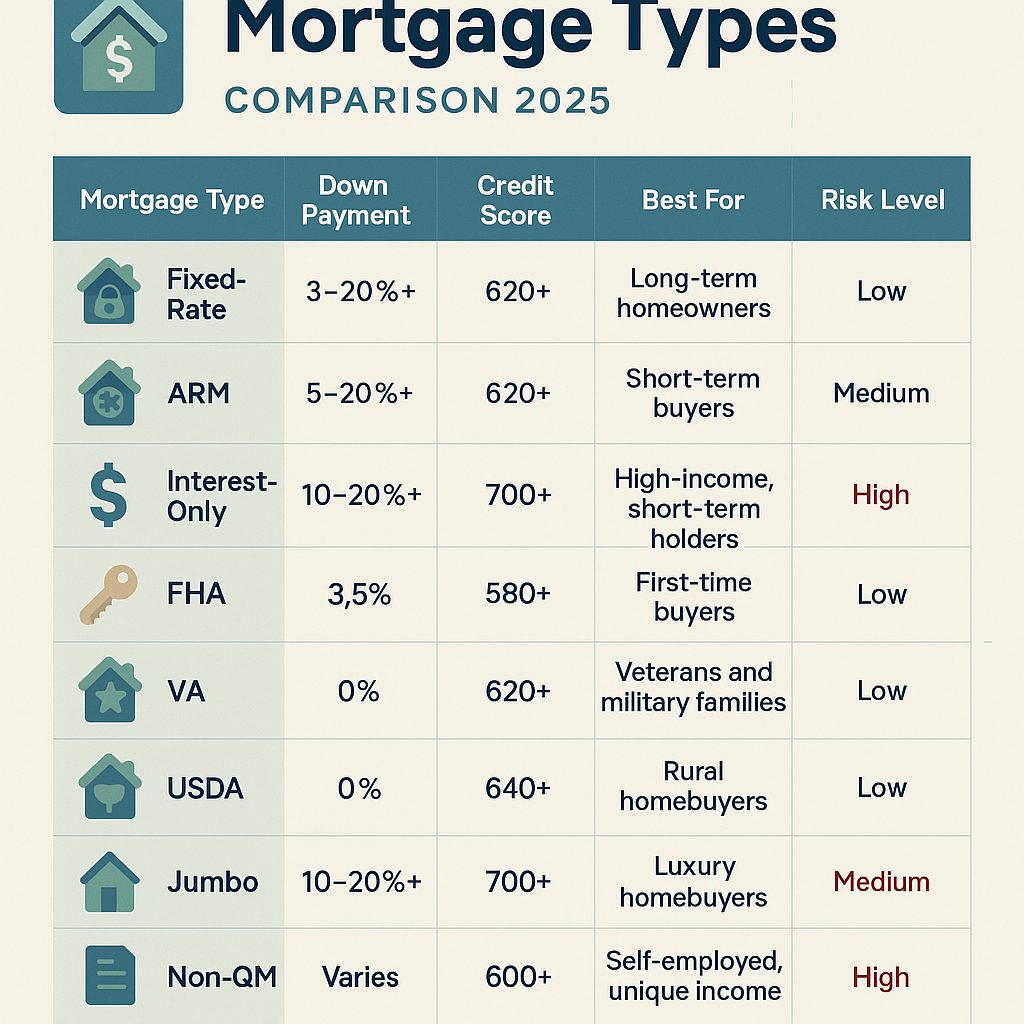
✅ Choose the Right Mortgage Type

  • Fixed-rate loans offer stability.
  • Adjustable-rate mortgages (ARMs) may start lower but can increase over time.
  • FHA/VA/USDA loans offer benefits for qualified buyers.

✅ Understand Rate Locks

Locking in your rate protects you from increases during the loan process. Ask your lender about lock periods and fees.

✅ Work with a Knowledgeable Agent

A great real estate agent can help you navigate negotiations, inspections, and paperwork. They’re your advocate in a complex process.

✅ Evaluate Neighborhood Trends

Look beyond the home—research school districts, crime rates, future development, and resale potential.


🧠 Smart Strategies for Today’s Buyers

Even in a high-rate environment, there are ways to make your purchase more affordable:

💡 Buy-Down Points

Paying points upfront can lower your interest rate. One point typically costs 1% of the loan amount and reduces your rate by 0.25%.

💡 Consider an ARM

If you plan to move or refinance within 5–7 years, an ARM may offer a lower initial rate.

💡 Negotiate Seller Concessions

In a slower market, sellers may be willing to cover closing costs or offer credits for repairs.

💡 Time Your Purchase

Spring and summer are busy seasons, but buying in the fall or winter may yield better deals.

💡 Explore First-Time Buyer Programs

Many states offer grants, tax credits, or down payment assistance for first-time buyers.


📞 Ready to Buy? Let’s Talk!

Buying a home is one of the biggest financial decisions you’ll ever make. With the right guidance, it can also be one of the most rewarding.

If you’re ready to explore your options, I’m here to help every step of the way—from pre-approval to closing day.

📲 Contact Mike McEntush
📞 Phone: 513-675-1702
📧 Emailmike.mcentush@cbrealty.com
🏡 Let’s turn your homeownership dreams into reality!

For Sellers May 30, 2025

How to Know When It’s Time to Sell Your Home

How to Know When It’s Time to Sell Your Home

Introduction
Selling your home is a significant decision that involves various factors. Knowing the right time to sell can maximize your profit and minimize stress. In this blog post, we will explore the key signs that indicate it might be time to sell your home, market and financial considerations, and tips for preparing your home for sale.

Key Signs It’s Time to Sell
There are several signs that it might be time to sell your home:

  • Market Conditions: If the real estate market is favorable, with high demand and rising prices, it might be a good time to sell.
  • Life Changes: Major life events such as a new job, marriage, or growing family can necessitate a move.
  • Financial Reasons: If you need to access the equity in your home for other investments or expenses, selling might be the right choice.
  • Home Maintenance: If the cost of maintaining your home is becoming too high, it might be time to consider selling.

Market and Financial Considerations
Before deciding to sell, it’s essential to consider the current market conditions and your financial situation:

  • Market Trends: Research the local real estate market to understand trends and demand.
  • Home Value: Get a professional appraisal to determine your home’s current value.
  • Financial Goals: Consider your financial goals and how selling your home fits into your overall financial plan.

Tips for Preparing Your Home
Once you’ve decided to sell, preparing your home for the market is crucial:

  • Declutter and Clean: A clean, clutter-free home is more appealing to buyers.
  • Make Repairs: Fix any minor repairs and consider making updates to increase your home’s value.
  • Stage Your Home: Staging can help buyers visualize themselves living in the space.
  • Hire a Realtor: A professional realtor can provide valuable insights and help you navigate the selling process.

Summary
Deciding to sell your home is a significant decision that requires careful consideration of various factors. By understanding the key signs, market conditions, and financial implications, you can make an informed decision. Preparing your home for sale and working with a professional realtor can help ensure a smooth and successful selling process.

If you’re considering selling your home, don’t hesitate to reach out to a professional realtor for a consultation. They can provide valuable insights and help you navigate the selling process. Contact me today to get started!

#RealEstate #HomeForSale #JustListed #LuxuryRealEstate #DreamHome #HouseHunting #OpenHouse #NewListing #FirstTimeHomeBuyer #InvestmentProperty #RealEstateInvesting #LuxuryHomes #FixerUpper #ModernHomes #MiamiRealEstate #OhioHomes #CincinnatiRealtor #DaytonHomesForSale #RealtorLife #RealEstateExpert #RealtyGoals #BuySellRent #RealEstateMarketing

For BuyersFor Sellers May 29, 2025

What Rising Interest Rates Mean for Buyers and Sellers:

What Rising Interest Rates Mean for Buyers and Sellers: A Realtor’s Guide to Navigating the Market in 2025

Introduction
As we navigate through 2025, the real estate market continues to evolve, influenced by various economic factors. One of the most significant factors currently shaping the market is the rising interest rates. For both buyers and sellers, understanding the implications of these changes is crucial. In this blog post, we will explore what rising interest rates mean for buyers and sellers, providing insights and tips to help you navigate the market effectively.

Impact on Buyers
Rising interest rates can have a profound impact on buyers. Here are some key points to consider:

1. Affordability
Higher interest rates mean higher monthly mortgage payments. This can affect the overall affordability of homes, making it more challenging for buyers to find properties within their budget.

2. Competition
As interest rates rise, some buyers may be priced out of the market, leading to reduced competition. However, this can also mean that the remaining buyers are more serious and financially prepared.

3. Expert Tips for Buyers
To navigate the market effectively, buyers should consider the following tips:
– Get pre-approved for a mortgage to understand your budget and show sellers you are a serious buyer.
– Consider adjustable-rate mortgages (ARMs) as an alternative to fixed-rate mortgages.
– Work with a knowledgeable realtor who can help you find the best deals and negotiate effectively.

Impact on Sellers
Sellers also need to be aware of how rising interest rates can affect their ability to sell their properties. Here are some key points to consider:

1. Market Slowdown
Higher interest rates can lead to a slowdown in the market, with fewer buyers able to afford homes. This can result in longer listing times and the need for more competitive pricing.

2. Pricing Strategies
Sellers may need to adjust their pricing strategies to attract buyers. This could include offering incentives such as covering closing costs or providing home warranties.

3. Expert Tips for Sellers
To navigate the market effectively, sellers should consider the following tips:
– Work with a realtor to set a competitive price based on current market conditions.
– Make necessary repairs and improvements to increase the appeal of your property.
– Be prepared to negotiate and consider offers that may be slightly below your asking price.

Expert Insights
To provide additional perspective, we reached out to several real estate experts for their insights on the current market conditions. Here’s what they had to say:
– “Rising interest rates are a double-edged sword. While they can reduce competition, they also make it harder for buyers to afford homes.” – Jane Doe, Real Estate Analyst
– “Sellers need to be more strategic in their pricing and marketing efforts to attract serious buyers.” – John Smith, Realtor

Practical Tips for Navigating the Market
Whether you are a buyer or a seller, here are some practical tips to help you navigate the market effectively:
– Stay informed about current interest rates and market trends.
– Work with a knowledgeable realtor who can provide valuable insights and guidance.
– Be flexible and open to different options, whether it’s considering different types of mortgages or adjusting your pricing strategy.

Summary
In summary, rising interest rates can have significant implications for both buyers and sellers. By understanding these impacts and following the tips provided, you can navigate the market more effectively. Whether you are looking to buy your dream home or sell your property, staying informed and working with a knowledgeable realtor can make all the difference.

If you have any questions or need personalized assistance, feel free to reach out to us. Our team of experienced realtors is here to help you navigate the market and achieve your real estate goals.

#RealEstate, #HomeForSale, #JustListed, #LuxuryRealEstate, #DreamHome, #RealtorLife, #HouseHunting, #NewListing, #RealEstateInvesting, #OpenHouse, #InvestmentProperty, #RealEstateMarketing, #PropertyForSale, #RealtyExperts, #BuySellRent

For BuyersFor Sellers May 28, 2025

What to Expect During a Home Inspection: A Complete Guide for Buyers and Sellers

What to Expect During a Home Inspection: A Complete Guide for Buyers and Sellers

Whether you’re buying your dream home or preparing to sell, the home inspection is a pivotal step in the real estate journey. This comprehensive guide walks you through what to expect during a home inspection, why it matters, how to prepare, and what happens afterward. From understanding the inspector’s role to interpreting the final report, this post equips you with everything you need to navigate the process with confidence.

1. Introduction
Buying or selling a home is one of the most significant financial decisions you’ll ever make. Amid the excitement, one crucial step often causes anxiety: the home inspection. But it doesn’t have to. With the right knowledge and preparation, a home inspection can be a powerful tool that protects your investment and ensures peace of mind.

2. What Is a Home Inspection?
A home inspection is a thorough, non-invasive examination of a property’s condition, typically conducted by a licensed professional. It usually occurs after an offer has been accepted but before the final closing. The inspector evaluates the home’s major systems and components, providing a detailed report that highlights any issues or concerns.

3. Why Home Inspections Matter
For Buyers:
– Uncover hidden problems: From faulty wiring to foundation cracks.
– Negotiation leverage: Use findings to request repairs or price adjustments.
– Peace of mind: Know exactly what you’re buying.

For Sellers:
– Avoid surprises: Address issues before listing or during negotiations.
– Boost buyer confidence: A pre-inspection can make your home more attractive.
– Faster closings: Fewer delays due to unexpected repairs.

4. What Inspectors Look For
Home inspectors typically evaluate:
– Roof: Condition, leaks, flashing, gutters.
– Exterior: Siding, windows, doors, grading.
– Foundation: Cracks, moisture, structural integrity.
– Plumbing: Pipes, water heater, fixtures.
– Electrical: Wiring, outlets, panel, grounding.
– HVAC: Heating, cooling systems, ductwork.
– Interior: Walls, ceilings, floors, stairs.
– Attic & Insulation: Ventilation, insulation levels.
– Basement/Crawlspace: Moisture, pests, structural issues.

5. How to Prepare for a Home Inspection
For Sellers:
– Clean and declutter.
– Provide access to all areas (attic, basement, garage).
– Replace burnt-out bulbs and test smoke detectors.
– Label the electrical panel and keys for outbuildings.
– Fix minor issues (leaky faucets, loose doorknobs).

For Buyers:
– Be present if possible.
– Prepare questions in advance.
– Bring a notepad or device to take notes.

6. What Happens During the Inspection
A typical inspection lasts 2–4 hours, depending on the size and condition of the home. The inspector will:
– Walk through the property inside and out.
– Take photos and notes.
– Test systems and appliances.
– Identify safety hazards and code violations.
– Provide a verbal summary at the end.

7. Common Issues Found
Some of the most frequent findings include:
– Roof damage or wear
– Electrical panel issues
– Plumbing leaks or corrosion
– HVAC inefficiencies
– Poor drainage or grading
– Foundation cracks
– Mold or mildew
– Pest infestations

Not all issues are deal-breakers, but they should be evaluated carefully.

8. After the Inspection: What Comes Next?
For Buyers:
– Review the report with your agent.
– Decide whether to:
– Proceed as-is
– Request repairs
– Renegotiate the price
– Walk away (if contingencies allow)

For Sellers:
– Respond to repair requests.
– Provide receipts for completed work.
– Be open to negotiation.

9. Tips for Buyers
– Don’t skip the inspection—even for new builds.
– Hire a qualified inspector—check credentials and reviews.
– Attend the inspection—you’ll learn a lot about the home.
– Ask questions—no concern is too small.
– Use the report wisely—focus on major issues, not cosmetic flaws.

10. Tips for Sellers
– Consider a pre-listing inspection—it shows transparency.
– Fix known issues—especially safety or code violations.
– Be honest—disclose past repairs or problems.
– Stay calm—every home has flaws.
– Work with your agent—they’ll help you navigate negotiations.

11. Frequently Asked Questions
Q: How much does a home inspection cost?
A: Typically between $300–$600, depending on location and size.

Q: Can a home fail an inspection?
A: No. Inspectors don’t pass or fail homes—they report on condition.

Q: Should I get additional inspections?
A: Yes, for specialized concerns like radon, mold, or pests.

Q: How long does it take to get the report?
A: Usually within 24–48 hours.

Q: Can I back out after the inspection?
A: Yes, if your contract includes an inspection contingency.

12. Final Thoughts
A home inspection is more than a formality—it’s a vital part of the real estate process. Whether you’re buying or selling, understanding what to expect can help you make informed decisions, avoid costly surprises, and move forward with confidence.

Are you preparing to buy or sell a home? Don’t navigate the inspection process alone. As a trusted real estate professional, I’m here to guide you every step of the way—from finding the right inspector to interpreting the results and negotiating smartly.

📞 Contact me today to schedule a consultation and make your next move with confidence!

#RealEstate

#HomeForSale

#JustListed

#LuxuryRealEstate

#DreamHome

#RealtorLife

#HouseHunting

#NewListing

#RealEstateInvesting

#OpenHouse

For Buyers January 6, 2025

Time in the Market Beats Timing the Market

Time in the Market Beats Timing the Market

Trying to decide whether it makes more sense to buy a home now or wait? There’s a lot to consider, from what’s happening in the market to your changing needs. But generally speaking, aiming to time the market isn’t a good strategy – there are too many factors at play for that to even be possible.

That’s why experts usually say time in the market is better than timing the market.

In other words, if you want to buy a home and you’re able to make the numbers work, doing it sooner rather than later is usually worth it. Bankrate explains why:

“No matter which way the real estate market is leaning, though, buying now means you can start building equity immediately.”

Here’s some data to break this down so you can really see the benefit of buying now versus later – if you’re able to. Each quarter, Fannie Mae releases the Home Price Expectations Survey. It asks over one hundred economists, real estate experts, and investment and market strategists what they forecast for home prices over the next five years. In the latest release, experts are projecting home prices will continue to rise through at least 2029 – just at a slower, more normal pace than they did over the past few years (see the graph below):

a graph of a number of green rectanglesBut what does that really mean for you? To give these numbers context, the graph below uses a typical home value to show how it could appreciate over the next few years using those HPES projections (see graph below). This is what you could start to earn in equity if you buy a home in early 2025.

a graph of growth of a houseIn this example, let’s say you go ahead and buy a $400,000 home this January. Based on the expert forecasts from the HPES, you could gain more than $83,000 in household wealth over the next five years. That’s not a small number. If you keep on renting, you’re losing out on this equity gain.

And while today’s market has its fair share of challenges, this is why buying is going to be worth it in the long run. If you want to buy a home, don’t give up. There are creative ways we can make your purchase possible. From looking at more affordable areas, to considering condos or townhomes, or even checking out down payment assistance programs, there are options to help you make it happen.

So sure, you could wait. But if you’re just waiting it out to perfectly time the market, this is what you’re missing out on. And that decision is up to you.

Bottom Line

If you’re torn between buying now or waiting, don’t forget that it’s time in the market, not timing the market that truly matters. Let’s connect if you want to talk about what you need to do to get the process started today.

For Buyers January 4, 2025

New Year, New Home: How To Make It Happen in 2025

New Year, New Home: How To Make It Happen in 2025

This is the time when a lot of people take a moment to reflect and set their goals for this year. And as you picture what you want your 2025 to look like, one thing that may pop into your mind is the vision of you in a new home. But how do you get there? And where do you start?

Here’s some advice that can help you get the ball rolling.

Focus on Your Why

To lay the foundation, you need to focus on your why. While the dollars and cents are important, so is the driving force behind your desire to move. Maybe you need more space for a growing family, want to sell so you can downsize, or are finally ready to buy your first home. Whatever your reason, it’s important to keep it front and center.

Your why is what helps you stay focused. Share your motivation with your agent and they’ll use their expertise to help support that goal, no matter what the market looks like. With a great agent by your side, you’ll have someone to guide you, problem-solve, and keep you moving forward until you can check that goal off your to-do list.

Get Clear on What You Need

Then it’s time to figure out what your next home needs to have. How many bedrooms do you need? If you don’t have a designated home office, is that a deal-breaker? What about a big fenced-in backyard? Knowing your must-haves and nice-to-haves makes the search a lot smoother.

Since affordability is still tight, it’s important to have a clear idea of your essential items upfront. Maybe you can flex a bit on location, if it’s got everything else you’re looking for. Go over those essential items with your agent and they’ll help you focus on the homes that check the boxes that matter most while staying within your price range.

Know Your Numbers

Before you jump in, take a look at your finances. How much have you saved? What monthly payment feels comfortable? Getting clear on your budget early will help you know what’s possible.

The best way to do this is by partnering with trusted real estate professionals, like a local agent and a lender. They’ll help you:

  • Plan for your down payment and look into down payment assistance programs
  • Understand the equity you have in your current home and how you can use it to fuel your next move if you’re selling
  • Get pre-approved for a mortgage so you know what you can borrow

Lean on a Pro To Guide You

It can be hard to know where to start, but you don’t have to do it alone. A real estate agent knows what you need to do to get ready to buy or sell, how to navigate the process, and can answer your questions every step of the way. As Bankrate puts it:

“. . . now more than ever, it’s smart to lean on the guidance of an experienced local real estate agent. If you want to enter the housing market in 2025, whether as a buyer or a seller, let a pro lead the way for you.”

Remember, buying or selling is a big milestone and a great goal for this year. With the right expert on your team, you’ll feel confident and ready to take on the market.

Bottom Line

If buying or selling a home is part of your goals for 2025, now’s the time to get started. Focus on your why, know what you need, and connect with trusted pros to make it happen. Let’s team up and make this the year you accomplish your real estate resolutions.

First Time Home Buyers January 3, 2025

Simple Steps To Help You Save for Your First Home

Simple Steps To Help You Save for Your First Home

Turning a dream into reality starts with one thing: a plan. And if buying your first home is on your list of goals, now’s the perfect time to put a plan in motion to help you save.

And the best part? Reaching your savings goal doesn’t mean making huge sacrifices overnight – small, consistent steps can get you there over time. Here are a few strategies that can help speed up the process.

Step 1: Build a Budget That Works for You

Knowing where your money’s going is the first step to saving more of it. Take some time to track the money you’ve got coming in and going out. This helps you spot areas where you’re spending more than you realize. It also helps to give yourself some guidelines on what you want to spend for groceries, gas, and more – try to stick to whatever caps you put on each spending category.

Step 2: Cut Down on Any Extras (It Adds Up)

Once you’ve got a clear budget, it’s time to tighten up. Look for areas where you can cut down your costs – like services you don’t really need – or ways you can reduce recurring expenses and put that money in your house fund instead. Every dollar you save now brings you closer to your future house. As Bankrate says:

If you’re saving for a house, cutting back on your spending can help. Start with cutting unnecessary expenses, like subscription services, entertainment, delivery services or eating out. If possible, negotiate down recurring monthly or annual expenses, such as getting a better car insurance rate or reducing an internet bill . . . .”

Step 3: Automate Your Savings

Consistency is the real game-changer. If you have to transfer money manually, you may forget to do it. That’s why setting up automatic transfers to a dedicated savings account makes it easier to save regularly. Even apps that round up purchases to the nearest dollar and save the difference can help you build momentum without effort. As an article from Forbes explains:

Automating your savings helps to keep your progress toward your goal consistent. Set up automatic transfers from your checking account to a dedicated savings account. This will help you prioritize saving and minimize the chances of spending your money on other things.”

Step Four: Put Any Extra Money To Work

Got a tax refund, work bonus, or a cash gift? Don’t fall into the temptation to spend it on something you don’t actually need. Use those unexpected boosts to make big strides toward your savings goal. Treating this extra cash as an opportunity, not just a nice surprise, will help you get there faster.

Bottom Line

Saving for your first house isn’t about perfection – it’s about progress. A solid plan, a little discipline, and a clear goal will take you further than you think. If you’re ready to make homeownership happen, let’s connect. We’ll map out the next steps together to get you closer to the keys to your first home.

For Sellers January 2, 2025

How Eco-Friendly Features Can Boost Your Home’s Value

How Eco-Friendly Features Can Boost Your Home’s Value

Selling your house? Or just looking to increase the value and appeal of your home for when you do? Here’s something you should know – homebuyers are increasingly looking for homes with environmentally friendly features.

What Energy Efficient Features Do Buyers Want?

According to recent data from the National Association of Realtors (NAR), when buyers think about eco-friendly features, they’re looking for (see visual below):

a blue and white rectangles with white text

  • Heating and cooling costs: 82% of buyers consider heating and cooling costs to be one of the most important factors when looking for a home. And efficient heating and cooling systems with programmable thermostats can significantly lower monthly energy bills.
  • Windows and doors with proper insulation: These help maintain comfortable indoor temperatures without overworking the HVAC system, which turns into saving on energy bills.
  • Energy-efficient lighting and appliances: These can save money on utility bills and reduce a home’s overall energy use too.
  • Commuting costs and environmentally friendly community features: Living in a community designed with energy-saving amenities and shorter commutes can reduce expenses and environmental impact.
  • Landscaping for energy conservation: Strategically placed trees and shrubs can lower cooling costs in the summer.
  • Solar panels: Solar panels can also provide long-term savings and are an attractive feature for eco-conscious buyers.

The common theme? Environmentally friendly features are popular with buyers because they help them save money and make homes more comfortable to live in. But making some of these updates before you sell your house doesn’t just benefit buyers – it’s worthwhile for you too.

How Green Features Benefit You

If your appliances or systems are aging, upgrading them now means you can enjoy the savings and comfort while you’re still living in the home.

The U.S. Department of Energy has introduced Home Energy Rebates, which can provide households with up to $14,000 in savings on energy-efficient upgrades. This includes insulation, duct sealing, heat pumps, and more. These rebates make it more affordable than ever to improve your home’s efficiency.

Then, when you decide to sell, you’ll reap the rewards again. Energy-efficient homes stand out in a competitive market and appeal to the growing group of environmentally conscious buyers.

Studies also show that homes with energy-efficient upgrades, like those with high-efficiency HVAC systems or modern insulation, are more desirable for buyers- and they generally net a higher price. Research from Freddie Mac found that homes with high energy-efficiency ratings sold for 2.7% more on average than homes without these upgrades.

Work with a Real Estate Agent to Maximize Value

Not sure which upgrades to prioritize? That’s where a local real estate agent comes in. They can help you identify the eco-friendly features that buyers in your area value most. Whether it’s adding Energy Star appliances or improving insulation, they’ll guide you in making the best choices for your house and your budget.

Bottom Line

Making environmentally friendly upgrades can pay off in more ways than one. You can enjoy saving on energy bills and improved comfort now. Additionally, you’ll have the satisfaction of knowing you’re contributing to a more sustainable future while adding value to your home. Ready to learn more about how you can make your house stand out? Let’s connect.

For Buyers December 29, 2024

What’s Motivating More Buyers To Choose a Newly Built Home?

What’s Motivating More Buyers To Choose a Newly Built Home?

Planning to buy a home soon? Why not go for something brand-new? Because data shows a lot more buyers are seeing the appeal of new home construction these days – and you may find out it’s what you want too.

The National Association of Realtors (NAR), explains that newly built homes accounted for 15% of all homes sold last year. That’s a significant increase, and is actually the highest percentage in 17 years (see graph below):

a graph of blue barsTo get a closer look at why so many people are opting for a brand-new home, NAR surveyed recent buyers. And here are the top reasons why new builds gained so much popularity (see graph below):

a graph of blue squares Avoiding Renovations or Problems with Plumbing or Electricity (42%)

According to buyers, the number one benefit is the peace of mind that comes with getting brand-new everything. Because let’s face it, buying a home right now is pricey. And with inflation also putting a pinch on your wallet, you want to do everything you can to cut down on any additional costs. Enter new builds.

A home that was just built is less likely to have unexpected repairs, and that means less maintenance you’ll need to budget for upfront. Plus, since many builders include warranties on their homes, that’s an added layer of protection for your wallet on some of the home’s major systems.

Ability To Choose and Customize Design Features (27%)

You may also get the chance to personalize parts of the build to your unique tastes. That can be as small as which knobs go on the cabinets and which light fixture goes in the dining room to as big as floor plans and siding color. So, if you’re not finding a home you like, it may be time to build one.

The Amenities of New Home Construction Communities (25%)

Many new developments also offer amenities like parks, pools, fitness centers, and community spaces. These features could help you feel more connected to your neighborhood and can be a great perk for your lifestyle.

Lack of Inventory of Previously Owned Homes (15%)

Since the supply of existing homes (homes that were previously lived in) is still lower than the norm, more people are asking their agents if they can see what builders have available – and builders aren’t disappointing. Right now, new builds make up a larger portion of the homes available for sale than the norm. So, checking out these homes can really open up your pool of options. And don’t worry – builders are not overbuilding. They’re just catching up after years of underbuilding.

Energy Efficiency (14%)

Not to mention, newly built homes usually have the latest energy-efficient materials and technologies. This not only feels good, but can also lead to lower utility bills and a reduced environmental footprint. In a U.S. News Real Estate interview with Kevin Morrow, Senior Program Manager at the National Association of Home Builders (NAHB), this topic came up:

“The more energy-efficient mechanics of the house also help reduce utility bills for new home buyers . . . Newly-constructed homes often include green systems and appliances—like high efficiency stoves, refrigerators, washing machines, water heaters, furnaces, or air conditioning units—that homes built years ago might not.”

Smart Home Features (11%)

And last on this list is the integration of smart technologies. Tech-savvy buyers often want the latest and greatest advancements – and new home construction usually delivers.

The Importance of Using Your Own Agent

Newly built homes are becoming a top pick for buyers these days, and it’s easy to see why. If you’re feeling motivated to see what’s out there, just remember you need to have your own real estate agent.

Builder contracts often have some complex terms and complicated fine print. If you bring your own agent, you’ll have someone to advocate for you, make sure you’re getting quality construction, and guide you through the process from start to finish.

Bottom Line

Imagine skipping the hassle of renovations and having the freedom to pick out the exact design features you want. If this sounds good to you, let’s connect to make sure you’ve got your own agent to help you negotiate with the builder so you can buy a new home with confidence.

For Buyers December 28, 2024

The Personal Joys of Having a Home To Call Your Own

The Personal Joys of Having a Home To Call Your Own

There’s no doubt that owning a home comes with significant financial benefits. And this time of year is a great time to reflect on the other reasons why owning a home is so meaningful.

A house is more than four walls and a roof – it’s a place where memories are made, connections are built, and life happens.

From the sense of accomplishment that comes with owning your own home to the joy of creating a space that’s uniquely yours, the emotional connections we have to our homes can be just as important as the financial ones.

Here are some of the things that turn a house into a happy home.

1. It’s an Accomplishment You Can Be Proud Of

Buying a home is a significant milestone, whether it’s your first or your fifth. You’ve worked hard to make it happen and achieving this goal is a reason to celebrate. There’s nothing quite like stepping through the door of a home that’s yours and knowing you’ve accomplished something truly special.

2. It’s a Place You Can Call Your Own

Compared to renting, owning a home can give you a much greater sense of security and privacy. It’s your own place – not your landlord’s – and that just feels different. No one else has the keys but you and that gives you your own personal safe place to retreat to at the end of a long day.

3. It’s a Space That’s Yours To Customize

Owning a home means you have the freedom to personalize it however you like. While there can be HOA guidelines you may have to follow depending on where you buy, you can still make it a reflection of your style and create a space that feels just right for you. As Freddie Mac explains:

“As the homeowner, you have the freedom to adopt a pet, paint the walls any color you choose, renovate your kitchen, and more. You can customize your own space without approval from landlords.”

4. It’s a Foundation for Building a Sense of Community

Homeownership often means putting down roots in a neighborhood and becoming a part of the local community. According to groups like Habitat for Humanity, owning a home increases your interest in getting involved with your neighbors and local organizations. Whether it’s through joining a neighborhood group, volunteering, or simply getting to know the people next door, a home is a great foundation for building meaningful connections.

Bottom Line

Owning a home is about so much more than financial benefits – it’s about the pride, well-being, and sense of belonging it can bring. When you’re ready to take the next step toward buying a home, let’s connect.

For BuyersFor Sellers December 27, 2024

The #1 Reason People Move: To Be Closer to Family and Friends

The #1 Reason People Move: To Be Closer to Family and Friends

Have you ever thought about packing up and moving to be closer to the people who mean the most to you? Maybe you’re tired of long drives to see your family or wish your kids could spend more time with their grandparents. Clearly, a lot of other people feel the same way.

According to recent data from the National Association of Realtors (NAR), the desire to be near family and friends is the #1 reason people move (see graph below):

a screen shot of a graphThat’s because moving isn’t just about finding a new house – it’s about living a life where you’re surrounded by the people who matter most. Whether it’s catching up over weeknight dinners, watching your kids play with their cousins, or just knowing someone’s there when you need them, living near loved ones changes everything.

Let’s dive into why so many people are making this move and how it could be the best decision for you, too.

Why Family Comes First

Living near family and friends is a universal motivator that cuts across all types of buyers, whether you’re buying your first home or making a big lifestyle change.

But it’s especially important to repeat buyers. Unlike first-time homebuyers, who may be more focused on looking in more affordable areas, repeat buyers often have more flexibility on where they live. Many Baby Boomers, for example, have built significant equity in their homes, giving them the freedom to prioritize what matters most – like retiring near their grandkids. As Ali Wolf, Chief Economist at Zondasays:

“25% of Baby Boomer households plan to retire near their children and grandchildren . . .”

Making a move to be closer to friends and family is all about creating a meaningful next chapter in your life where loved ones are just around the corner.

The Benefits of Living Near Loved Ones

But moving closer isn’t just a lifestyle choice – it’s a decision that offers real benefits:

  1. Spending More Time Together Whether it’s joining family dinners, going to weekend activities, or simply having someone nearby to talk to, these moments strengthen relationships and make life more fulfilling.
  2. Sharing Resources Living close to family can provide practical advantages, too – like sharing childcare, tools, or household items.
  3. Cutting Down on Travel Instead of spending hours on the road to spend time together, you can enjoy more spontaneous visits. This not only enhances your quality of life, but it also provides peace of mind in case of emergencies.
  4. Being There for Big Moments It also offers both emotional and practical support during life’s milestones. From graduations to tough times, being close to loved ones helps you feel connected and cared for.

Ready To Make Your Move?

At the end of the day, home isn’t just a place you live – it’s where your people are. Whether you’re looking to spend more quality time with family or enjoy the practical benefits of being closer to loved ones, the decision to move closer to those you care about is a deeply personal one.

Bottom Line

If you’re thinking about making a change, let’s connect. Together, we can explore neighborhoods that bring you closer to the people and places you love most.

For Sellers December 23, 2024

How Home Equity May Help You Buy Your Next Home in Cash

How Home Equity May Help You Buy Your Next Home in Cash

Building equity in your house is one of the biggest financial advantages of homeownership. And right now, homeowners across the country are sitting on record amounts of it.

Here’s a look at how that equity could be a game changer for you, and why it’ll flip your perspective from “Why would I move right now?” to “Why wouldn’t I?

Home Equity: What Is It?

Home equity is the difference between how much your house is worth and how much you still owe on your mortgage. For example, if your house is valued at $400,000 and you only owe $200,000 on your mortgage, your equity would be $200,000.

Why Equity Is Such a Big Deal for Homeowners Looking To Sell

Recent data from the Census and ATTOM shows how significant today’s home equity really is. In fact, more than two out of three homeowners have either completely paid off their mortgages (shown in green in the chart below) or have at least 50% equity in their homes (shown in blue in the chart below):

a pie chart with textAnd that’s a big deal. Think about it: 2 out of 3 homeowners have at least 50% equity in their homes. To put a more tangible number on it so you can think about what that really means for someone like you, CoreLogic shows the average homeowner has $311,000 worth of equity built up. That kind of net worth can go a long way if you’re trying to make a move.

And that’s part of the reason why the share of all-cash buyers recently reached a new high. According to an annual report from the National Association of Realtors (NAR), 26% of buyers were able to buy without a mortgage (see graph below):

a graph with numbers and linesImagine buying your next house in cash. No mortgage. No monthly payment. No interest rate to mess with. If you want to find out how much equity you have to see if that’s an option for you, connect with a real estate agent and ask for a professional equity assessment report (PEAR).

Who knows, you may find out you have enough equity to buy your next place outright– and with today’s mortgage rates, not having to take out a home loan is pretty incredible. Even if you don’t have enough equity to buy in all cash, you may still have enough to make a larger down payment, which has its own benefits too.

Bottom Line

Homeowners have an incredible amount of equity today – and that’s why the share of all-cash buyers is on the rise. To see how much equity you have and talk through how it can help fuel your next move, let’s connect.

For Sellers December 21, 2024

Struggling To Sell Your House? Read This.

Struggling To Sell Your House? Read This.

When you sell your house, ideally, you want it to go something like this: your house sells for top dollar, you get it sold quickly, and it all goes down without a hitch.

But what many people don’t realize is that even in today’s market where there are more buyers than homes for sale, there are still things that can cause delays or even keep a house from selling. According to Zillow, in 2024, as many as 1 in 3 sellers took their home off the market before it ultimately sold.

And while the reasons those houses didn’t sell are going to vary, there are some general themes that come through. If you’re having trouble getting your house sold, here are the top three hurdles that could be getting in the way, and how an expert agent can help you solve these issues.

1. Priced Too High

It’s no surprise that price plays a major role when you sell. And in today’s market, overpricing a home in a high-mortgage rate environment is the biggest thing keeping homes on the market longer than the norm. As. U.S. News Real Estate says:

“Talk to any real estate expert, and the first thing they’ll tell you is that a house is selling slowly because the price is too high.”

While it’s tempting to push the price higher to get more for your home, overpricing can really turn away potential buyers. It can also make your house sit on the market for far too long. And the longer it sits, the more skeptical buyers will be that there’s something wrong, even if there isn’t.

Not to mention, buyers today have so many tools and resources to view homes in your area and compare prices. So, if your house is priced too high, you’ll risk driving away potential offers.

To find out if this is happening with your listing, talk to your agent about what they’re hearing at open houses and showings. If the feedback is consistent, it may be time to re-evaluate your asking price. 

2. Not Freshened Up Before Listing

You only get one chance to make a great first impression on a buyer. That’s why sprucing up your house can be the difference between it selling or sitting.

First, take into account your home’s curb appeal. There may be easy ways you can clean up the landscaping to make it tidy, inviting, and really make an impact. As an article from Realtor.com notes:

” . . . for better or worse, buyers do tend to judge a book by its cover. You want to make sure potential buyers’ first impression of your home is a good one—and inspires them to stop by the open house or schedule a tour—so they can see more.”

But don’t stop at the front door. Small touches like removing personal items, reducing clutter, and cleaning the floors give buyers more freedom to picture themselves in the home. And inexpensive upgrades like a fresh coat of paint or updated listing photos to match the current season can go a long way with that wow factor.

When in doubt, lean on your real estate agent for expert advice and whether you need a new game plan to close the deal.

3. Limited Access

Another big mistake you can make as a seller is limiting the days and times that buyers can view your house. Because at the end of the day, if buyers can’t take a look around, your chances of selling decline — drastically.

And here’s something else to consider. No matter what type of market you’re dealing with, buyers from outside the area are often highly motivated, but they don’t have as much flexibility or time as those who are local. So, give your house the best visibility by making it available as much as possible.

Bottom Line

You deserve to check selling your house off your list of goals this year. So, if your house isn’t getting enough attention or your listing is getting stale, don’t be afraid to ask your trusted real estate agent how you can revamp your approach.


For Buyers December 20, 2024

More Starter Homes Are Hitting the Market

More Starter Homes Are Hitting the Market

More entry-level homes – also known as starter homes – are popping up on the market. And after several years with very few homes available to buy and prices rising, there are finally some more options for first-time buyers.

Inventory Is Increasing – Especially at Lower Price Points

Over the past year, the total supply of homes for sale has improved. According to Realtor.com, in November there were 26.2% more homes for sale compared to this time last year, marking 13 months of inventory growth and the most homes available since December of 2019.

Interestingly, the growth isn’t spread evenly among all types of homes, though. According to Redfin, starter homes have seen the biggest increase (see graph below):

a graph of a number of homesSo, if you’re a first-time buyer who’s been sitting on the sidelines waiting because you thought you might never find a starter home in your market, this could be a game-changer. You finally have more options to choose from, and you just might be able to find one in your price range.

How an Experienced Agent Helps You Find a Starter Homes

Finding the right starter home at the right price point in your local market might feel like an unthinkable challenge, but a local real estate agent makes it easier. They stay up to date on the latest starter home listings in your area, so you don’t miss any opportunities.

Your agent will help you focus on homes that match your budget and your needs, making the search less stressful. They’ll also guide you through how to make the right offer and negotiate to get the best outcome possible.

On top of that, they handle the important details, like documentation and deadlines, so you can stay right on track. And if you have questions, your agent is there with answers and expert advice every step of the way.

Bottom Line

Starter homes are making a bit of a comeback, and this could be your chance to find one. Whether you’re ready to visit listings, need advice, or just want to see what’s out there, let’s connect.

For Buyers December 19, 2024

The Biggest Perks of Buying a Home This Winter

The Biggest Perks of Buying a Home This Winter

Waiting for perfect market conditions often means missing out. Because what you may not realize is, if you’re ready and able to buy, this time of year could actually give you an edge. Here’s why. As the weather cools down, the housing market can too – and that works in your favor.

You Likely Won’t Feel as Rushed

Homes tend to take a little longer to sell during this time of year. Data from the National Association of Realtors (NAR) shows the average time a house sits on the market jumps up during the winter months (see the green bars in the graph below):

a graph of blue and green barsThis is partly because fewer buyers are active at this time of year – and that decrease in buyer competition means the houses that are on the market aren’t going to be snatched up as quickly. So, if you decide to buy a home in the next couple of months, you’ll likely have more time to consider your options and negotiate a deal without feeling as pressured.

Sellers May Be More Willing To Negotiate

And since homes generally take longer to sell during the winter, sellers are often more motivated to close a deal. That can work in your favor, too. According to NAR:

“Less competition can lead to better deals. While homes are not selling as fast as during the summer, sellers may be more willing to negotiate.

Whether it’s compromising on price, covering closing costs or repairs, or including extras like appliances, you have more room to ask for what you need.

Homes Are Less Expensive in the Winter

With less competition from other buyers and sellers who are more willing to negotiate, you may see slightly lower prices too. In fact, according to NAR, homes are typically about 5% less expensive now compared to when prices normally peak in the summer.

That might not seem like a huge difference, but on a $400,000 home, it could mean savings of $20,000 on the purchase price.

You can see this expected seasonal shift in home prices taking place this year. Take a look at the graph below showing the median sales price of existing homes (homes that were previously owned) over the past 12 months. You’ll notice in the green bars that prices were lower in the winter months last year, and it seems like that’s going to happen again this year. That gives you the chance to make your budget go further:a graph of a number of people

Bottom Line

Buying a home during the winter means less competition, motivated sellers, and potentially lower prices, too. Let’s work together to find the right one at the right price for you.

For Sellers December 18, 2024

Only an Expert Agent Can Give You an Accurate Value of Your Home

Only an Expert Agent Can Give You an Accurate Value of Your Home

In today’s digital age, it’s tempting to rely on automated tools for everything — including figuring out how much your house is worth. But be careful. The automated estimates you’re seeing online often miss key details that affect the true market value of your home.

Before you toss a for sale sign in your yard and expect to bring in the number you saw for your house online, you need to understand why these tools generally aren’t spot-on and why working with an expert real estate agent is the best way to get an accurate picture of what your house is really worth.

The Myth: Online Home Value Estimates Are Accurate

Online home valuation tools give you an approximate value for your house based on the data that’s publicly available for your home. While this can give you a rough starting point, the keyword here is rough. As an article from Ramsey Solutions says:

“Online Home Value Estimators Aren’t 100% Accurate . . . The estimates are only as reliable as the amount of public record data the real estate websites can access. The less data gathered for your particular neighborhood, county and state, the less you can depend on this number.”

The Reality: Online Estimates Miss Key Factors

Here’s the biggest issue with online estimates: they don’t take into account the unique aspects of your home or your local market. And that’s why an agent’s expertise can make such a difference when figuring out what your house is really worth. Here’s an example. A real estate agent will also factor in:

  • The Home’s Condition: Online tools can’t tell whether your home has been well-maintained or if it needs significant repairs. The condition of your house plays a huge role in its value, and only an in-person walk-through can account for that.
  • The Latest Neighborhood Trends: Is your neighborhood up-and-coming? Are there new developments or amenities nearby that make your home more desirable? Automated tools often overlook local trends that can significantly affect the value of your home.
  • Accurate Comparable Sales: While online estimates may use past sales data as a baseline, they don’t always reflect the most recent or most relevant comparable sales, or comps. Real estate agents, on the other hand, have access to up-to-date market data and can give you a much more accurate estimate based on real-time sales in your area.

Agents have a deep understanding of the local market, and they can provide insights that automated tools simply can’t match. As Bankrate explains:

“Online estimation tools determine pricing using algorithms that rely on publicly available information. These algorithms can vary widely from one tool to the next and typically don’t account for a home’s current condition or any upgrades or renovations that are not reflected in public records. So they are not as accurate as in-person methods, like a real estate agent’s comparative market analysis . . .”

Bottom Line

While online home value estimates can be a helpful tool to get a rough idea of what your home is worth, they aren’t foolproof. The true value of your home depends on a range of factors that automated tools just can’t account for.

To get the most accurate estimate, let’s connect. That way you have expert guidance and up-to-date market insights to set the best possible price for your home.

For Buyers December 17, 2024

The Top 2 Reasons To Look at Newly Built Homes

The Top 2 Reasons To Look at Newly Built Homes

When planning a move, a newly built home might not be the first thing that comes to mind. But with more brand-new homes on the market and builders focusing on smaller, more affordable options, this type of home may just be the key to crossing the homebuying finish line.

Here’s why a new build is worth considering – and how an agent can help you find one that meets your needs and your budget.

1. More Newly Built Homes Are Available Right Now

First, let’s break down the types of homes on the market. A newly built home is a house that was just built or is under construction. On the other hand, an existing home is one a homeowner has already lived in.

Right now, the number of existing homes for sale is still low. And, if you’re struggling to find something you like because there aren’t that many existing homes for sale, opening up your search to include brand-new homes could really expand your options. That’s because there are more newly built homes available right now than in a typical year (see graph below):

a graph of blue lines and white textFrom 1983 to 2019, newly built homes made up only 13% of the total inventory of homes for sale. Today, that number has climbed to 28.8%, according to the most recent data.

And as Lawrence Yun, Chief Economist at the National Association of Realtors (NAR), notes:

“Even though existing home sales have been stuck at low levels, newly constructed home sales look to mark one of its best annual performance in 15 years . . . The new home inventory has been consistently rising with homebuilders getting active and making up around 1/3 of total inventory.” 

While the uptick in new home construction is encouraging, rest assured that builders aren’t overdoing it, they’re just making up for over a decade of underbuilding. There are still way more buyers than there are homes on the market. But the good news for you is this increase in newly built homes means more options for your search.

2. Newly Built Homes Are Becoming Less Expensive

Still skeptical if a new build is right for you or if they’re even in your budget? The average cost of newly built homes has actually come down from a year ago.

Why is that? Builders know affordability is top of mind for homebuyers right now. So they’re focusing their efforts on building smaller homes they can offer at lower price points and are more likely to sell. As Realtor.com says:

“Builders are increasingly bringing smaller, more affordable homes to the market, so buyers may find more newly-built homes that fit their budget.” 

Something to keep in mind: buying a newly built home isn’t the same as buying an existing one. Builder contracts have different fine print. So be sure to partner with a local agent who knows the market, builder reputations, and what to look for in those contracts.

Bottom Line

Depending on your needs and budget, a new build might be the opportunity you’ve been waiting for to bring your homebuying vision to life. If you’re interested in a brand-new home, let’s connect so you can check out what builders in your area are up to.

For Buyers December 16, 2024

Why Moving to a More Affordable Area Makes Sense

Why Moving to a More Affordable Area Makes Sense

Moving to a more affordable area could be the fresh start you need to get ahead financially. While some markets are certainly more affordable than others, know that working with a trusted real estate agent to find what fits your budget and your desired location – no matter where you want to be – is always the best plan. And with the rising cost of living, many people are rethinking where they live and looking for ways to cut expenses. If that sounds like you, here’s a great place to start (see visual below):

a map of the united statesThese states are well known for lower housing costs, reduced insurance premiums, and more budget-friendly daily living expenses – but they’re not the only places to find a hidden gem. If you’re open to relocating, you might discover the savings you’re looking for.

Why Move to a Lower-Cost Area?

Life is getting more expensive by the day. From rising home prices to higher grocery bills, it feels like everything costs more than it used to. Housing, the largest expense for most people, has become especially costly.

In fact, according to data from Case-Shiller, home prices increased 3.9% from September 2023 to September 2024. And data from GOBankingRates shows insurance costs are up too, with home insurance premiums averaging $2,151 annually – a significant jump compared to recent years.

These rising costs can feel like a lot to handle. That’s why more people are considering lower-cost areas. An article from the National Association of Realtors (NAR) says:

“With the past decade of rising home prices, buyers are looking for more affordable areas . . . As housing affordability continues to shape migration patterns, these areas may provide an opportunity . . . for those looking for more cost-effective alternatives to the nation’s larger, pricier metropolitan areas.”

Lower-cost areas typically offer more affordable housing, less expensive home insurance, and reduced costs for daily living like groceries and gas. Transportation expenses and car insurance premiums also tend to be lower. For anyone feeling stretched thin, moving to a less expensive area can provide meaningful financial relief.

Planning Your Big Move

Whether it’s finding a home that fits your budget or cutting down on other expenses, making the right move in any market can bring significant financial relief. Of course, moving isn’t a decision to take lightly.

Whether you’re moving just a few towns over or to a completely different state, there’s a lot to consider. From job opportunities, to schools, to local amenities – it all has an impact on finding the right home for you.

This is where a knowledgeable local real estate agent can be your best resource. Not only can they help you navigate the housing market in your new or desired area, but they’ll also guide you to neighborhoods that balance affordability with your needs.

And don’t worry if none of the states on the affordability list seem like the right fit for you. An agent can still help you identify budget-friendly options wherever you need to be.

Bottom Line

If the rising cost of living has you feeling stuck, know that you have options. Moving to a more affordable area could be the fresh start you need to get ahead financially and improve your quality of life.

But don’t try to tackle the process alone. With the help of a real estate agent who knows the area, you’ll be well-prepared to make a move. When you’re ready to take the first step, let’s connect.

For Buyers December 13, 2024

What Will It Take for Prices To Come Down?

What Will It Take for Prices To Come Down?

You may be wondering if home prices are going to crash. And believe it or not, some people might even be hoping this happens so they can finally purchase a more affordable home. But experts agree that’s not what’s in the cards – and here’s why.

There are more people who want to buy a home than there are homes available to purchase. That’s what drives prices up.

Let’s break that down and explore why, nationally, home prices aren’t going to be coming down anytime soon.

Prices Depend on Supply and Demand

The housing market works like any other market – when demand is high and supply is low, prices rise.

According to the latest estimates, the U.S. is facing a housing shortfall of several million homes. That means there are far more people looking to buy (demand) than there are homes for sale (supply). That mismatch is the key reason why prices won’t fall at the national level. As David Childers, President of Keeping Current Matters (KCM), puts it:

“The main driving force on pricing is the limited amount of inventory in most markets across the country. That issue is not going to be solved overnight or in the next twelve months.”

How Did We Get Here?

For over 15 years, homebuilders haven’t been building enough homes to keep up with buyer demand. After the 2008 housing crisis, homebuilding slowed significantly, and it’s only recently started to recover (see graph below):

a graph of a number of yearsEven with new construction on the rise over the past few years, builders are playing catch-up. And according to AmericanProgress.org, they’re still not even keeping up with today’s demand, let alone making up for years of underbuilding.

And as long as there’s a housing shortage, home prices will remain steady or increase in most areas.

What About Next Year?

The majority of experts agree prices will keep rising next year, but at a much slower, healthier pace (see graph below):

a graph of green barsBut it’s important to note home prices vary by market. What happens nationally might not reflect exactly what’s happening in your area. If your local market has more inventory available, prices could grow more slowly or even decline slightly. But in areas where inventory remains tight, prices will keep climbing – and that’s what’s happening throughout most of the country. That’s why it’s crucial to work with a local real estate expert who understands your market and can explain what’s going on where you live.

Bottom Line

If you’re wondering what it’ll take for prices to come down, it all goes back to supply and demand. With inventory still limited in most markets, prices are likely to remain steady or rise.

To see what’s happening with home prices where we live, let’s connect. That way you’ll have help understanding our market and making a plan that works for you.

For Buyers December 8, 2024

Why Owning a Home Is Worth It in the Long Run

Why Owning a Home Is Worth It in the Long Run

Today’s mortgage rates and home prices may have you second-guessing whether it’s still a good idea to buy a home right now. While market factors are definitely important, there’s also a bigger picture to consider: the long-term benefits of homeownership.

Think of it this way. If you know people who bought a home 5, 10, or even 30 years ago, you’re probably going to have a hard time finding someone who regrets their decision. That’s because over time, home values usually grow – and that means a homeowner’s net worth does too. Here’s a look at how that can really add up over the years.

Home Price Growth over Time

The map below uses data from the Federal Housing Finance Agency (FHFA) to show how much prices have grown over the last five years. Since home prices vary by area, the map is broken out regionally to really showcase larger market trends:

a map of the united states

You can see that nationally, home prices increased by over 57% in just five years.

Some regions are slightly above or below that average, but overall, home prices saw a big uptick in a short time. And if you zoom out even more, the benefit of homeownership — and the drastic gains homeowners made over the years — become even more clear (see map below):

The second map shows that, over a roughly 30-year span, home prices appreciated by an average of more than 320% nationally.

So the typical homeowner who bought a house about 30 years ago saw their home triple in value during that time. And that’s a major reason so many homeowners who bought their homes years ago are still happy with their decision today.

Bottom Line

There’s no denying today’s market is complex. But if you’re ready and able to buy right now, let’s connect to talk about how we can still make your move happen. That way you can take advantage of the long-term advantages that come with homeownership, like your ability to build wealth as your home value rises.

Today’s mortgage rates and home prices may have you second-guessing whether it’s still a good idea to buy a home right now. While market factors are definitely important, there’s also a bigger picture to consider: the long-term benefits of homeownership.

Think of it this way. If you know people who bought a home 5, 10, or even 30 years ago, you’re probably going to have a hard time finding someone who regrets their decision. That’s because over time, home values usually grow – and that means a homeowner’s net worth does too. Here’s a look at how that can really add up over the years.

Home Price Growth over Time

The map below uses data from the Federal Housing Finance Agency (FHFA) to show how much prices have grown over the last five years. Since home prices vary by area, the map is broken out regionally to really showcase larger market trends:

a map of the united states

You can see that nationally, home prices increased by over 57% in just five years.

Some regions are slightly above or below that average, but overall, home prices saw a big uptick in a short time. And if you zoom out even more, the benefit of homeownership — and the drastic gains homeowners made over the years — become even more clear (see map below):

The second map shows that, over a roughly 30-year span, home prices appreciated by an average of more than 320% nationally.

So the typical homeowner who bought a house about 30 years ago saw their home triple in value during that time. And that’s a major reason so many homeowners who bought their homes years ago are still happy with their decision today.

Bottom Line

There’s no denying today’s market is complex. But if you’re ready and able to buy right now, let’s connect to talk about how we can still make your move happen. That way you can take advantage of the long-term advantages that come with homeownership, like your ability to build wealth as your home value rises.

For Buyers December 7, 2024

When Will Mortgage Rates Come Down?

When Will Mortgage Rates Come Down?

One of the biggest questions on everyone’s minds right now is: when will mortgage rates come down? After several years of rising rates and a lot of bouncing around in 2024, we’re all eager for some relief.

While no one can project where rates will go with complete accuracy or the exact timing, experts offer some insight into what we might see going into next year. Here’s what the latest forecasts show.

Mortgage Rates Are Expected To Ease and Stabilize in 2025

After a lot of volatility and uncertainty, the most updated forecasts suggest rates will start to stabilize over the next year, and should ease a bit compared to where they are right now (see graph below):

a blue and white graph with numbers

As Lawrence Yun, Chief Economist at the National Association of Realtors (NAR), says:

“While mortgage rates remain elevated, they are expected to stabilize.”

Key Factors That’ll Impact the Future of Mortgage Rates

It’s important to note that the timing and the pace of what happens with mortgage rates is one of the most challenging forecasts to make in the housing market. That’s because these forecasts hinge on a few key factors all lining up. So don’t be fooled, because while rates are expected to come down slightly, they’re going to be a moving target. And the ups and downs of ongoing economic drivers will likely stick around. Here’s a look at just a few of the things that’ll influence where they go from here:

  • Inflation: If inflation cools, rates could dip a bit more. On the flip side, if inflation rises or remains stubbornly high, rates may stay elevated longer.
  • Unemployment Rate: The unemployment rate also plays a significant role in upcoming decisions by the Federal Reserve (the Fed). And while the Fed doesn’t set mortgage rates, their actions do reflect what’s happening in the greater economy, which can have an impact.
  • Government Policies: With the next administration set to take office in January, fiscal and monetary policies could also affect how financial markets respond and where rates go from here.

Remember, these forecasts are based on the best information available right now. As new economic data comes out, experts will revise their projections accordingly. So, don’t try to time the market based on these forecasts alone.

Instead, the best thing you can do is focus on what you can control right now. Work on improving your credit score, put away any extra cash for your down payment, and automate your savings. All of these things will help you reach your homeownership goals even faster.

And be sure to connect with a trusted agent and a lender, so you always have the latest updates – and an expert opinion on what that means for your move.

Bottom Line

If you’re planning to move and want to stay informed about where mortgage rates are heading, let’s connect.

For Sellers December 6, 2024

Sell Your House During the Winter Sweet Spot

Sell Your House During the Winter Sweet Spot

A lot of people assume spring is the ideal time to sell a house. And sure, buyer demand usually picks up at that time of year. But here’s the catch: so does your competition because a lot of people put their homes on the market at the same time.

So, what’s the real advantage of selling your house before spring? It’ll stand out.

Historically, the number of homes for sale tends to drop during the cooler months – and that means buyers have fewer options to choose from.

You can see how that trend played out over the past few years in this data from the National Association of Realtors (NAR). Each time, the supply of homes for sale dipped during these cooler months. And then, after each winter lull, inventory started to climb as more sellers jumped into the market closer to spring (see graph below):

a graph with green circles and white textHere’s why knowing how this trend works gives you an edge. While inventory is higher this year than it‘s been in the last few winters, if you work with an agent to list now, it’ll still be in this year’s sweet spot. So, while other sellers are taking their homes off the market, you can sell before the spring wave of new listings hits, and your house will have a better chance of standing out.

Why wait until spring when you can get ahead of the curve now?

Fewer Listings Also Means More Eyes on Your Home

Another big perk of selling in the winter? The buyers who are looking right now are serious about making a move.

During this season, the window-shopper crowd tends to stay busy with other things, like holiday celebrations, and avoids looking for homes when the weather’s cooler. So, the buyers out looking aren’t casually browsing—they’re motivated, whether it’s because of a job relocation, a lease ending, or some other time-sensitive reason. And those are the types of buyers you want to work with. Investopedia explains:

“. . .  if your house is up for sale in the winter and someone is looking at it, chances are that person is serious and ready to buy.”

Bottom Line

With less competition and serious buyers on the hunt, you’ll be in a great position to sell your house this winter. Let’s connect if you’re ready to get the process started.

For Sellers December 2, 2024

Should You Sell Your House As-Is or Make Repairs?

Should You Sell Your House As-Is or Make Repairs?

recent study from the National Association of Realtors (NAR) shows most sellers (61%) completed at least minor repairs when selling their house. But sometimes life gets in the way and that’s just not possible. Maybe that’s why, 39% of sellers chose to sell as-is instead (see chart below):

a pie chart with text on itIf you’re feeling stressed because you don’t have the time, budget, or resources to tackle any repairs or updates, you may be tempted to sell your house as-is, too. But before you decide to go this route, here’s what you need to know.

What Does Selling As-Is Really Mean?

Selling as-is means you won’t make any repairs before the sale, and you won’t negotiate fixes after a buyer’s inspection. And this sends a signal to potential buyers that what they see is what they get.

If you’re eager to sell but money or time is tight, this can be a relief because it’s that much less you’ll have to worry about. But there are a few trade-offs you’ll have to be willing to make. This visual breaks down some of the pros and cons:

a screenshot of a blue and white screenTypically, a home that’s updated sells for more because buyers are often willing to pay a premium for something that’s move-in ready. That’s why you may find not as many buyers will look at your house if you sell it in its current condition. And less interest from buyers could mean fewer offers, taking longer to sell, and ultimately, a lower price. Basically, while it’s easier for you, the final sale price might be less than you’d get if you invested in repairs and upgrades.

That doesn’t mean your house won’t sell – it just means it may not sell for as much as it would in top condition.

Here’s the good news though. In today’s market, as many as 56% of buyers surveyed would be willing to buy a home that needs some work. That’s because affordability is still a challenge, and while there are more homes for sale right now, inventory is lower than the norm. So, you might find there are a few more buyers who may be willing to take on the work themselves.

How an Agent Can Help

So, how do you make sure you’re making the right decision for your move? The key is working with a pro.

good agent will help you weigh your options by showing you what comparable homes in your area have sold for, what updates your neighbors are making, and guide you in setting a fair price no matter what you decide. That helps you anticipate what your house may sell for either way – and that can be a key factor in your final decision.

Once you’ve picked which route you’re going to go and the asking price is set, your agent will market your house to maximize its appeal. And if you decide to sell as-is, they’ll call attention to the best features, like the location, size, and more, so it’s easy for buyers to see the potential, not just projects.

Bottom Line

Selling a home without making any repairs is possible in today’s market, but it does have some trade-offs. To make sure you’re considering all your options and making the best choice possible, let’s have a conversation.

For Buyers November 26, 2024

How Co-Buying a Home Helps with Affordability Today

How Co-Buying a Home Helps with Affordability Today

Buying a home in today’s market can feel like an uphill battle – especially with home prices and mortgage rates putting pressure on your budget. If you’re feeling stuck, co-buying could be one way to help you get your foot in the door. Freddie Mac says:

“If you are an aspiring homeowner, buying a home with your family or friends could be an option.”

But there are some things you’ll want to consider first. Let’s explore why co-buying is gaining popularity right now among some buyers and see if it may make sense for you too.

What Is Co-Buying?

Co-buying means buying a home with someone like a friend, sibling, or even a group of people. And, with today’s high home prices and mortgage rates, it’s an option more people are turning to.

According to a survey done by JW Surety Bondsnearly 15% of Americans have already co-purchased a home with someone, and another 48% would consider doing it.

Why Consider Co-Buying?

The same survey also asked people about the perks of co-buying a home. Here are some of the top responses (see graph below):

Sharing Costs (67%): From saving for a down payment to managing monthly payments, buying a home is a big financial step. When you co-buy, you split these costs, making it easier to afford a home.

Affording a Better Home (56%): By pooling your financial resources, you may also be able to afford a larger or higher-quality home than you could have on your own. This may mean getting that extra bedroom, a bigger backyard, or living in a more desirable neighborhood.

Investment Opportunity (54%): Co-buying a home can also be an investment. You could buy a house with someone so you can rent out, which could help generate passive income.

Sharing Responsibilities (48%): Owning a home comes with a lot of responsibilities, including maintenance and upkeep and more. When you co-buy, you share these commitments, which can lighten the load for everyone involved.

Other Co-Buying Considerations

While co-buying has its benefits, there’s something else you need to consider before deciding if this approach is right for you. As Rocket Mortgage says:

“Buying a house with a friend or multiple friends might be a great way for you to achieve homeownership, but it’s not a decision you should make lightly. Before diving in, make sure you understand the financial and logistical hurdles you’ll face, as well as the human and emotional elements that might affect the purchase or, more importantly, your relationship.

Basically, make sure you and your co-buyer are on the same page about things like how costs will be split, who will handle what responsibilities, and what will happen if one of you wants to sell your share of the home in the future. Leaning on an expert can help you weigh the pros and cons to make that conversation easier.

Bottom Line

If you’re looking to get your foot in the door but are having a tough time with today’s affordability challenges, co-buying could be an option to make your move happen. But, it’s important to plan carefully and make sure all parties are clear on the details. To figure out if co-buying makes sense for you, let’s connect.

For Sellers November 25, 2024

Why Today’s Mortgage Debt Isn’t a Sign of a Housing Market Crash

Why Today’s Mortgage Debt Isn’t a Sign of a Housing Market Crash

One major reason why we’re not heading toward a foreclosure crisis is the high level of equity homeowners have today. Unlike in the last housing bubble, where many homeowners owed more than their homes were worth, today’s homeowners have far more equity than debt.

That’s a big part of the reason why even though mortgage debt is at an all-time high, this isn’t 2008 all over again. As Bill McBride, Housing Analyst for Calculated Risk, explains:

“With the recent house price increases, some people are worried about a new housing bubble – but mortgage debt isn’t a concern . . .”

Today’s homeowners are in a much stronger position than ever before. So, let’s break it down and see why today’s mortgage debt isn’t anything to fear.

More Equity, Less Risk of Foreclosures

According to the St. Louis Fed, total homeowner equity is nearly triple the total mortgage debt today (see graph below):

a graph of a graph showing the rise and fall of mortgagesHigh equity makes it less likely for homeowners to face foreclosure because they have more options. If someone struggles to make their mortgage payments, they could potentially sell their house and still come out ahead thanks to their built-up equity.

Even if home values were to dip, most homeowners would still have a comfortable cushion of equity. That’s a big contrast to the 2008 crisis, where many homeowners were underwater on their mortgages and had few options to avoid foreclosure.

Delinquency Rates Are Still Near Historic Lows

Another reassuring sign is that, according to the NY Fed, the number of mortgage payments that are more than 90 days late is still near historic lows (see graph below):

a graph showing a line going downThis is partly due to a variety of programs designed to help homeowners through temporary hardships. As Marina Walsh, VP of Industry Analysis at the Mortgage Bankers Association (MBA), says:

“. . . servicers are helping at-risk homeowners avoid foreclosures through loan workout options that can mitigate temporary distress.”

So, even if someone falls behind on their payments, there are support systems in place to help them avoid foreclosure.

Low Unemployment Helps Keep the Market Stable

One other important factor is today’s low unemployment rate. More people have stable jobs, which means they’re better able to afford their mortgage payments. As Archana Pradhan, Principal Economist at CoreLogicexplains:

“Low unemployment numbers have helped reduce the overall delinquency rate . . .”

During the last housing crisis, unemployment was much higher, which led to a wave of foreclosures. Today’s unemployment rate is very different (see graph below):

a graph of employment and financial crisisThat stability in how many people are employed is one of the reasons the market doesn’t have the same risks as it did the last time.

There’s no need to worry about a wave of distressed sales like the one we saw in 2008. Most homeowners today are employed and have low-interest mortgages they can afford, so they’re able to make their payments. As McBride states:

“The bottom line is there will not be a huge wave of distressed sales as happened following the housing bubble.” 

Bottom Line

While mortgage debt is high, rest assured the market isn’t on the brink of another crash. Instead, most homeowners are in a strong position. If you have questions or concerns, let’s connect.