

 Facebook
 X
X
 Pinterest
 Copy Link
What Real Estate Investors Look for in a Deal

💰 What Real Estate Investors Look for in a Deal: How Smart Investors Find the Profitable Ones
Real estate investing can be exciting, but it’s also strategic. The best investors don’t chase every opportunity that comes their way—they look for specific signs of value. Whether it’s cash flow, equity growth, or neighborhood potential, every investor has a checklist before pulling the trigger.
Let’s break down what investors really want when they say, “It’s a good deal.”
🧮 1. It All Starts with the Numbers
For investors, emotions take a back seat to math. The right numbers determine if a property is profitable or painful.
📊 The Key Metrics Every Investor Watches
Cash Flow: This is the money left over after paying all expenses—mortgage, taxes, insurance, and maintenance. Positive cash flow means income every month. Negative cash flow means funding the shortfall yourself.
Cap Rate (Capitalization Rate): This metric shows annual return if the property was bought in cash. The formula is simple: Net Operating Income ÷ Purchase Price. In most Cincinnati suburbs, investors aim for a 6–10% cap rate.
Cash-on-Cash Return: This compares yearly profit to the actual cash invested. For example, if you invest $40,000 and earn $4,000 a year, that’s a 10% return.
Appreciation Potential: Investors also want to know if values are trending upward. In neighborhoods like Loveland, Batavia, and Milford, home prices and rental demand have climbed steadily over the past decade.
💡 Investor Tip: The “1% Rule” is a quick test—if monthly rent equals 1% of the purchase price, the property’s worth investigating.
📍 2. Location, Location… Profit!
You’ve heard it before, but it’s still true: location drives value. Investors look beyond curb appeal. They study local economics, demographics, and lifestyle trends.
🧭 Neighborhood Qualities That Matter
-
Job Growth: A strong local job market attracts stable tenants.
-
Population Trends: Investors follow areas where populations are growing, not shrinking.
-
School Districts: Families will pay higher rents for top-rated schools.
-
Safety: Low crime builds long-term tenant retention.
-
Amenities: Parks, trails, shopping, and restaurants make a property easier to rent or sell.
Take Downtown Loveland for example. Homes near bike trails, boutiques, and restaurants rent faster and appreciate more. That’s why investors target those blocks early.
🔍 3. Condition and Hidden Costs
A low purchase price doesn’t always mean a good deal. Some properties are cheap for a reason.
🔧 Smart Investors Always Inspect For
-
Roofing, HVAC, and foundation issues
-
Outdated plumbing or electrical systems
-
Deferred maintenance
-
Hidden damage from water or pests
An experienced investor knows that repairs can erase profit quickly. They estimate renovation costs upfront—sometimes with help from a trusted contractor—before writing an offer.
💵 4. Financing Strategy
Even the best deal falls apart with the wrong financing. The loan type can change monthly costs, cash flow, and overall ROI.
💼 Common Financing Options
-
Conventional Loans: Reliable and low interest for investors with strong credit.
-
Hard Money Loans: Used for flips—fast approvals, higher interest.
-
BRRRR Method: Buy, Rehab, Rent, Refinance, Repeat. A favorite for portfolio builders.
-
Creative Financing: Seller financing or “subject-to” options that reduce upfront cash.
The difference of even 1% in interest can make or break the deal. Smart investors compare loan structures, down payments, and terms before deciding.
📈 5. Market Trends and Timing
Timing matters as much as numbers. Investors monitor what’s happening now—and what’s coming next.
🕒 What They Track
-
Mortgage rate trends
-
Average Days on Market (DOM)
-
Supply and demand balance
-
Upcoming economic developments
When inventory rises or homes stay listed longer, investors negotiate better deals. That’s exactly what’s happening right now in parts of Clermont County—a sweet spot for strategic buyers.
🧭 6. Exit Strategy Before Entry
Every investor asks, “How do I get out?” before buying in.
🔁 Common Exit Plans
-
Fix and Flip: Renovate and sell for profit.
-
Buy and Hold: Rent long-term for consistent income.
-
Short-Term Rentals: Airbnb-style options for higher returns.
-
1031 Exchange: Roll profits into another investment tax-free.
Different strategies call for different property types. For instance, a short-term rental investor might prefer a downtown condo, while a BRRRR investor targets multi-family properties in suburban zones.
⚖️ 7. Risk vs. Reward
Real estate investing always involves some risk. Smart investors analyze how much they’re willing to take on.
🚨 Common Risk Factors
-
Vacancies or non-paying tenants
-
Market corrections
-
Property damage or repairs
-
Rising taxes or insurance costs
To protect profits, many investors keep an emergency fund—typically 10% of rental income—for surprises.
💡 8. The Investor Mindset
What sets successful investors apart isn’t luck—it’s mindset. They think in years, not weekends. They treat every property like a business.
They also build networks. Investors surround themselves with reliable Realtors, lenders, and contractors who share their vision.
Patience is their secret weapon. Real wealth comes from consistency and time, not quick wins.
🤝 9. Relationships Build Portfolios
Real estate isn’t a solo game. Behind every strong investor is a strong team.
🏆 Why the Right Realtor® Matters
-
Knows which neighborhoods yield the best returns
-
Spots undervalued or off-market listings
-
Understands rent comps and ROI
-
Negotiates deals that fit the investor’s goals
As a Cincinnati-area REALTOR®, I work daily with investors focused on growth markets like Milford, Anderson Township, and Batavia—helping them evaluate deals that deliver.
🧾 10. Due Diligence Pays Off
Before closing, investors dig deep. They check every detail that could impact profitability.
📋 The Smart Investor’s Checklist
-
Property taxes and liens
-
Local rent and vacancy rates
-
HOA restrictions
-
Utility costs and zoning rules
-
Future development plans
Due diligence turns uncertainty into confidence. It’s the difference between gambling and investing.
🧱 11. Value Through Renovation
Renovation is how investors create instant equity. A well-planned upgrade can raise both rent and resale value.
🔨 Improvements That Add the Most Value
-
Modernized kitchens and bathrooms
-
Fresh flooring, paint, and lighting
-
Landscaping and curb appeal
-
Energy-efficient updates
-
Finishing basements or adding living space
Even modest updates can attract higher-quality tenants and justify rent increases.
🚫 12. Red Flags to Avoid
Some deals should be skipped entirely.
⚠️ Warning Signs
-
Declining neighborhoods
-
Unrealistic rent projections
-
Major structural issues
-
HOA restrictions on leasing
-
Properties that don’t cash flow
Walking away from a bad deal is often the smartest move an investor can make.
📊 13. Data-Driven Decisions
Investors love data because it removes guesswork. They study patterns and predict performance.
Metrics like rent-to-price ratios, job growth, and demographic changes guide their buying decisions. For example, Clermont County’s population growth and planned developments make it a long-term investment hotspot.
🧘 14. Emotions and Profits Don’t Mix
Homebuyers fall in love with kitchens and backyards. Investors fall in love with returns.
They negotiate with logic, not emotion. They run numbers, not daydreams. The goal isn’t to find “the perfect home”—it’s to find the perfect deal.
🚀 15. Investment Trends to Watch in 2025
-
Falling interest rates
-
Multi-family and duplex demand
-
Suburban growth and migration
-
“Value-add” flips with moderate rehabs
-
Eco-friendly, energy-efficient homes
Cincinnati’s east-side suburbs—Loveland, Amelia, and Union Township—are positioned for strong appreciation as buyers seek affordability close to the city.
❤️ 16. The Bigger Purpose Behind Investing
At its core, investing isn’t just about wealth—it’s about impact.
Renovated homes revive communities.
New rentals provide housing stability.
Generational wealth creates freedom for the future.
Real estate gives investors the power to shape neighborhoods and build legacies.
🏁 Conclusion: The Smart Investor’s Playbook
The best investors share a few traits:
✅ They know their numbers.
✅ They research markets before acting.
✅ They stay patient and consistent.
✅ They build relationships with the right Realtor®.
Real estate success doesn’t come from chasing trends—it comes from following proven principles. If you approach investing with strategy, patience, and guidance, the results will follow.
💬 Ready to Find Deals That Move U?
Whether you’re just starting or expanding your portfolio, I’ll help you spot opportunities, analyze returns, and connect with the right lenders and contractors to make it happen.
📲 Let’s talk strategy today!
👉 Visit www.mikesellscincyhomes.com
💬 Message me directly to get started.
🔔 Subscribe to my blog for more Cincinnati real estate insights, investor guides, and housing market updates that Move U!
#RealEstateInvesting #CincinnatiInvestors #MikeSellsCincyHomes #ResultsThatMoveU #InvestmentProperty #PassiveIncome #CashFlow #BRRRR #HouseFlip #RentalProperty #WealthBuilding #RealEstateTips #ColdwellBankerRealty #CincinnatiHomes #LovelandRealEstate #MilfordOhio #BataviaHomes #AndersonTownship #OhioInvestors #InvestInCincy
What Buyers Are Prioritizing Over Square Footage in 2025

🏡 What Buyers Are Prioritizing Over Square Footage in 2025
Introduction: Bigger Isn’t Always Better
For decades, the real estate world was obsessed with one number — square footage. The bigger the home, the better the deal… right?
Not anymore.
In 2025, today’s buyers — especially across Cincinnati’s east-side suburbs like Loveland, Batavia, Milford, and Anderson Township — are shifting their priorities. Instead of chasing the biggest house they can afford, they’re chasing the right house for their lifestyle, their budget, and their peace of mind.
Between rising interest rates, lifestyle changes, and the new work-from-home culture, buyers are saying loud and clear:
“We’d rather have smart space than more space.”
Let’s explore what that means and why understanding this shift matters — whether you’re buying, selling, or just watching the Cincinnati market evolve.
1. Lifestyle Comes First, Not Size
When buyers call me to start a search, one of the first things I ask is: “What’s most important to you?”
A few years ago, people would answer, “We want 2,500 sq ft or more.”
Now? They say things like:
-
“We need to be close to our kids’ school.”
-
“We want to walk to shops and restaurants.”
-
“We need a neighborhood that feels safe and connected.”
🏘️ Lifestyle beats square footage every time.
Buyers in Clermont County or Anderson Township are looking for walkability, community, and convenience. They’d rather live in a 1,800 sq ft ranch in Milford that’s five minutes from Kroger, the ballfields, and a good coffee shop than a 3,000 sq ft home 25 minutes from everything.
They’re also more aware of commute times and quality of life. A shorter drive, less traffic, and easy access to parks or trails can outweigh an extra bedroom or basement they rarely use.
2. Functionality Beats Footprint
It’s not about how big the home is — it’s about how it works.
In 2025, buyers are prioritizing:
✅ Open floor plans that promote connection
✅ Smart storage (mudrooms, pantries, built-ins)
✅ A functional layout where every inch has a purpose
A 1,900 sq ft home with an open kitchen, dedicated office nook, and main-level laundry feels more livable than a chopped-up 2,800 sq ft home full of wasted hallways.
In Loveland, for example, homes with thoughtfully designed layouts — even if smaller — often sell faster than oversized homes that feel dated or awkward.
💡 Pro tip for sellers: Highlight how your home functions. Show buyers the flow, not the footage.
3. Energy Efficiency & Lower Utility Bills 💡
Utility costs and environmental awareness are shaping buyer choices more than ever.
Instead of sprawling homes that cost $400 a month to heat and cool, today’s buyers prefer efficient, well-insulated spaces.
They’re asking about:
🌿 Newer HVAC systems
🌿 Double-pane windows
🌿 Smart thermostats
🌿 Solar potential
🌿 Energy-efficient appliances
In neighborhoods like Union Township and Amelia, where energy costs can add up quickly, efficient homes are commanding stronger interest — and often higher offers.
Buyers love hearing, “This home’s average Duke Energy bill is under $150.” That’s worth more than an extra 500 sq ft they’ll rarely use.
4. Move-In Ready Homes Are the Gold Standard ✨
Post-pandemic buyers don’t want “projects.” They’re done with DIY disasters, contractor delays, and hidden repair costs.
They want homes that are:
🏠 Clean, updated, and move-in ready
🛠️ Free of major maintenance issues
🎨 Neutral and modern in design
Whether it’s a Milford colonial or a Batavia split-level, updated homes move quickly. Buyers want to enjoy life — not spend six months living in a construction zone.
A freshly painted home with modern flooring, a new roof, or updated mechanicals often sells for top dollar — even if it’s smaller than the competition.
5. Outdoor Living Space Matters More Than Ever 🌳
After spending more time at home these past few years, buyers have fallen in love with outdoor living.
They’re not just asking for “a yard.” They want:
-
Covered patios or decks for entertaining
-
Firepit areas for family nights
-
Fenced yards for pets
-
Gardens and green space
-
Room to breathe and relax
In communities like Batavia Village or Williamsburg, a well-designed backyard can sell a home faster than an extra bedroom ever could.
✨ Pro tip: Stage your patio like another room — comfy seating, string lights, and a few plants can create that emotional “wow” moment.
6. Flexibility Is the New Luxury
The pandemic reshaped how we live in our homes. People are working, studying, exercising, and relaxing — all under one roof.
That’s why flexible spaces are in high demand. Buyers want rooms that can evolve with them:
-
A home office that doubles as a guest room 🖥️🛏️
-
A finished basement that becomes a gym or teen hangout 🏋️♂️
-
A loft that transforms into a study or reading nook 📚
In Anderson Township and Milford, you’ll often see listings with descriptions like “multi-purpose loft” or “flex-room potential.” That’s no accident — those homes sell faster.
Flexibility gives buyers control, and that’s something everyone values right now.
7. Smart Home Technology & Connectivity 📱
Today’s buyers love convenience — and technology delivers it.
From first-time Millennial buyers to savvy downsizers, smart-home features are becoming non-negotiable.
Here’s what catches their eye:
🔒 Smart locks & video doorbells
🌡️ Programmable thermostats
💡 Smart lighting
🎶 Built-in speakers
📡 Strong Wi-Fi and home office wiring
A smaller home that’s fully connected can easily outshine a larger, outdated home.
In Clermont County, many buyers work remotely at least part-time. Reliable internet and smart systems that make life easier are major decision-makers.
8. Quality Finishes & Design Consistency
Buyers aren’t counting square feet — they’re counting details.
Things like:
-
Quartz or granite countertops
-
Soft-close cabinetry
-
Modern light fixtures
-
Consistent flooring
-
Updated bathrooms
These touches create a sense of quality and cohesion that buyers crave. A 1,700 sq ft home with a stunning kitchen and cohesive finishes will emotionally win over a 2,800 sq ft home that feels mismatched.
And remember — emotional connection sells homes faster than square footage ever will. ❤️
9. Location, Location… and Community 🏘️
Cincinnati-area buyers aren’t just looking for houses; they’re looking for belonging.
Neighborhoods like Milford, Loveland, and Anderson Township offer not just great schools but strong community ties — festivals, markets, youth sports, and neighborhood pride.
Buyers value:
👫 Friendly neighbors
🎡 Local events
🚶 Walkability
🍽️ Access to shops and dining
🌳 Green space and recreation
A smaller home in a vibrant community almost always beats a big one in isolation.
When I show homes, I encourage buyers to walk the neighborhood, not just the house. You can renovate a kitchen, but you can’t renovate a community.
10. Affordability & Manageability 💰
Affordability has changed how buyers think. With higher interest rates, taxes, and maintenance costs, buyers are learning that less house can mean more life.
A right-sized home means:
-
Lower monthly payments
-
Less upkeep
-
Lower utility bills
-
More time for experiences, travel, and family
In Batavia and Union Township, I’ve helped clients downsize from 3,000 sq ft homes to modern 2,000 sq ft homes — and they tell me they’ve never been happier.
They have the space they need, not the space they have to clean.
11. Wellness & Peace of Mind 🧘
Homes are becoming sanctuaries. Buyers want places where they can recharge, not just reside.
Trends we’re seeing include:
-
Natural light and open windows
-
Calm, neutral paint colors
-
Quiet streets and safe neighborhoods
-
Clean air and minimal maintenance stress
Cincinnati-area buyers, especially families, are seeking mental and physical comfort over size.
A smaller, peaceful home with great light, solid structure, and friendly surroundings easily wins hearts — and offers.
12. Aging in Place & Long-Term Living
Another growing trend is forward thinking. Buyers, even in their 30s and 40s, are considering how the home will serve them in the next 10-20 years.
They’re asking:
-
Can we stay here long term?
-
Is there a first-floor bedroom or primary suite?
-
Are there stairs we may not want later?
-
Is the lot manageable as we age?
Ranch-style and main-level living homes are hot commodities in Milford, Loveland, and Anderson Twp — not just for retirees but for younger buyers thinking ahead.
13. Resale Value & Smart Investment Thinking
Even first-time buyers are thinking like investors.
They want to know:
💰 “Will this home appreciate?”
📈 “Is the neighborhood growing?”
🛠️ “Could we add value later?”
A smaller, updated home in a desirable school district or walkable neighborhood offers better resale potential than a huge home in a remote location.
Smart buyers know — you live in your home today, but you’ll sell it someday. Choosing the right property now saves stress and money later.
14. Emotional Connection Still Rules ❤️
At the end of the day, buyers make decisions with their hearts.
A home that feels right beats a home that measures right.
When they step into a space that feels warm, bright, and welcoming, square footage becomes irrelevant.
Sellers who create emotional experiences — cozy lighting, fresh scents, great flow — connect faster and sell faster.
As I often say to clients: “If a buyer says, ‘This feels like home,’ you’ve already won.”
15. What This Means for Sellers in Cincinnati
If you’re preparing to sell your home, this shift is great news.
You don’t need the biggest house to win buyers — you just need the most intentional one.
Here’s how to capitalize:
✅ Focus on presentation and functionality
✅ Emphasize updates and maintenance
✅ Highlight outdoor and community features
✅ Use language that tells a story (“relax on your private deck” instead of “large backyard”)
✅ Stage flex spaces to show their purpose
Your goal isn’t to sell square footage — it’s to sell lifestyle.
16. What This Means for Buyers
If you’re shopping for your next home in Milford, Loveland, Batavia, or Anderson Twp, take a breath and remember — you don’t need the biggest.
You need the best fit.
Ask yourself:
-
Does this home fit my daily life?
-
Can I grow into it or adapt it easily?
-
Will it keep me comfortable and happy five years from now?
A smaller home that checks those boxes is a bigger win every time.
17. The Local Cincinnati Shift
Across the Cincinnati market, you can see the trend in the data:
-
Average home size is slightly down, but sale prices per sq ft are steady or higher.
-
Homes under 2,000 sq ft with modern layouts are moving fast.
-
“Move-in ready” and “updated” keywords are driving online engagement.
In short — buyers will trade size for quality.
Neighborhoods like Loveland, Anderson Twp, and Milford are seeing consistent demand because they combine great schools, access to recreation, and smartly designed homes.
Conclusion: It’s Not About Square Feet — It’s About Smart Living
As a REALTOR® who’s helped countless clients across Cincinnati’s east-side suburbs, I can tell you: size doesn’t sell — connection does.
Today’s buyers aren’t chasing bigger. They’re chasing better.
They’re choosing homes that make sense — efficient, flexible, well-maintained, and full of heart.
And sellers who understand this are winning big.
Whether you’re buying your first home, upsizing, or downsizing, the question isn’t “How big is it?” — it’s “How does it make you feel?”
📣 Ready to Find Your Perfect Home?
If you’re thinking about buying or selling in Cincinnati, Loveland, Milford, Batavia, or Anderson Township, let’s connect.
As your local REALTOR® with Coldwell Banker Realty, I know what today’s buyers want — and how to position your home (or your offer) to win in this evolving market.
💬 Call or text me today for a no-obligation consultation.
🌐 Visit www.mikesellscincyhomes.com for local listings, home valuation tools, and buyer/seller guides.
📧 Subscribe to my “Results That Move U” newsletter for market updates, tips, and neighborhood insights delivered straight to your inbox.
Let’s make your next move a smart one — not just a bigger one.
#MikeSellsCincyHomes #ResultsThatMoveU #ColdwellBankerRealty #CincinnatiRealEstate #HomeBuyingTips #RealEstateBlog #SmartHomeLiving #HomeGoals2025 #LovelandOH #MilfordOH #AndersonTownship #CincyHomes #HomeDesignTrends #HomeBuyers2025 #RightSizedLiving #REALTORLife
What Buyers Are Looking for in 2025
🏡 What Buyers Really Want in 2025: The Inside Scoop from a REALTOR® Who Sees It Every Day
🌟 A New Kind of Homebuyer
The housing market looks very different in 2025. Today’s buyers aren’t just scrolling through listings—they’re searching for a home that fits their lifestyle, values, and goals.
Unlike previous years, people now balance affordability with quality, energy efficiency, and long-term potential. They want smart technology, flexible layouts, and communities that make daily life easier.
Let’s take a closer look at what’s driving buyers this year 👇
💰 1. Value Over Price
Affordability still matters, but value is what really captures attention.
Instead of focusing on the lowest price, most buyers now ask, “What am I getting for my money?” They’re comparing energy efficiency, neighborhood amenities, and the cost of future repairs before making offers.
To stand out, sellers should highlight updated systems, low utility bills, and well-maintained finishes. Buyers in areas like Loveland, Milford, and Batavia love homes that combine reasonable pricing with lasting benefits.
♻️ 2. Energy Efficiency Is Mainstream
Sustainability is no longer a niche topic—it’s the new standard. Many buyers expect their next home to be energy-efficient, inside and out.
They’re checking for things like solar readiness, insulated windows, and efficient HVAC systems. Even features such as LED lighting or a smart thermostat can tilt the scales in your favor.
Why? Because energy-smart homes save money every month—and that’s something every 2025 buyer can appreciate.
🤖 3. Smart Home Technology Is a Must
Convenience sells.
Home automation has become a major attraction for tech-minded buyers. Smart locks, doorbell cameras, and app-controlled lights help homeowners feel safe and connected.
Even better, these tools make day-to-day living smoother. With one quick voice command, lights dim, doors lock, and thermostats adjust. That blend of safety and simplicity makes smart homes stand out in a crowded market.
🏠 4. Flexible Spaces for Flexible Lives
Open concept living is still desirable, but multi-purpose rooms are now the top priority.
Remote work, home workouts, and side hustles all require adaptable space. Buyers want areas that easily transform—from office to guest suite, from gym to media room.
Homes that offer flexibility make life easier for today’s ever-changing schedules.
📍 5. A New Definition of Location
The classic saying “location, location, location” still holds true, but the meaning has evolved.
In 2025, buyers crave community and convenience, not just short commutes. They look for walkable neighborhoods, strong internet, and proximity to coffee shops, parks, and grocery stores.
Suburbs such as Anderson Township and Amelia deliver that balance beautifully: peaceful surroundings with everything close by.
🌳 6. Outdoor Spaces That Feel Like an Escape
After years of spending more time at home, people want outdoor areas that extend their living space.
Covered patios, fire pits, and fenced yards all add value. Even small balconies or courtyards can provide the peaceful retreat buyers crave.
A well-maintained yard or a cozy sitting area helps buyers imagine their lifestyle there—and that emotional connection leads to offers.
🧹 7. Low-Maintenance Living
Time is precious. That’s why buyers want homes that make life easier.
Durable flooring, fresh paint, new roofs, and updated systems all attract attention. Move-in-ready homes tend to sell faster because they eliminate the stress and cost of immediate renovations.
For busy families and retirees alike, simplicity equals luxury.
👋 8. Community Connections
More than ever, buyers want to feel part of something.
Neighborhoods with sidewalks, trails, playgrounds, and shared spaces appeal to all age groups. Community events and friendly neighbors are strong selling points.
In places like Union Township or Milford, homes inside active subdivisions often sell quicker because they offer more than a property—they offer a lifestyle.
🍳 9. Kitchens That Inspire
Kitchens remain the heart of the home. But in 2025, they also need to work smarter.
Buyers prefer quartz countertops, large islands, soft-close drawers, and plenty of storage. Many also look for smart appliances that can sync with phones or home assistants.
A fresh, updated kitchen tells buyers a home has been cared for—and that matters.
🧘 10. Homes That Promote Wellness
Health and comfort have become huge priorities. Natural light, good airflow, and quiet interiors top the wish list.
Buyers love features like water filtration, air purification, and calm, neutral colors. Even a small home gym or yoga nook adds appeal.
Design that supports physical and mental wellness helps buyers picture a balanced life inside the home.
💻 11. Work-From-Home Ready
Hybrid work isn’t going away. That’s why buyers want dedicated spaces to stay productive.
Homes with soundproof offices, built-in desks, or good lighting feel move-in ready for remote workers. Fast internet access and strong Wi-Fi coverage are now as essential as air conditioning.
For many buyers, the right workspace can make or break a deal.
🛁 12. Spa-Inspired Bathrooms
The modern bathroom is more than a necessity—it’s a mini-retreat.
Walk-in showers, soaking tubs, and LED mirrors all create a sense of relaxation. Thoughtful storage, updated vanities, and soothing color palettes elevate the feel even more.
Buyers picture starting and ending their days there, so these details truly matter.
🏗️ 13. New Builds and Modern Updates
While new construction remains popular, not everyone wants to wait for it. Many buyers prefer updated resale homes that blend charm with modern finishes.
Fresh paint, contemporary fixtures, and efficient systems go a long way. When sellers focus on these small upgrades, they often see a faster sale and stronger offers.
Even modest improvements can deliver major returns in today’s market.
👨👩👧 14. Multi-Generational Living Options
As families evolve, so do their housing needs.
Homes with first-floor bedrooms, in-law suites, or finished basements appeal to multiple generations under one roof. Wider doorways and step-free entries also attract aging homeowners who plan to stay long-term.
Creating inclusive, flexible spaces ensures broader appeal.
🩵 15. Modern Simplicity and Style
Minimalism continues to dominate design trends. Clean lines, natural light, and subtle colors make homes feel calm and inviting.
In 2025, buyers lean toward neutral palettes accented with navy blue (#012169)—a Coldwell Banker classic—and light wood tones. The goal is timeless comfort that never feels sterile.
A fresh, uncluttered home looks bigger online and in person, which helps it sell faster.
💡 16. Smart Financing Strategies
Even with fluctuating interest rates, determined buyers are finding creative ways to make ownership possible.
They’re exploring rate buydowns, down-payment assistance programs, and even assumable loans. Many rely on experienced REALTORS® to uncover homes with hidden value or price reductions that others overlook.
Smart financing and expert guidance help buyers win in a competitive environment.
🧭 17. Local Market Knowledge = Power
Online platforms show plenty of data—but they can’t replace local expertise.
That’s why homebuyers turn to professionals who understand neighborhood trends, school systems, and property values. A REALTOR® who knows the Cincinnati market can interpret the numbers, uncover upcoming opportunities, and negotiate confidently.
Data gives direction. Experience gives results.
🏁 Final Thoughts: Lifestyle Leads the Way
Buying a home in 2025 is about more than square footage. It’s about lifestyle, comfort, and long-term value.
Today’s buyers want:
✅ Smart and sustainable features
✅ Flexible spaces that evolve
✅ Welcoming communities
✅ Homes that feel good to live in
Sellers who understand these motivations have the edge. Buyers who act strategically—with the right local REALTOR®—will find the perfect fit even in a competitive market.
📲 Ready to Make Your Move?
Whether you’re planning to buy, sell, or simply explore your options, I’m here to help you every step of the way.
👉 Visit www.mikesellscincyhomes.com
📞 Call/Text Mike McEntush, REALTOR® with Coldwell Banker Realty
📍 Serving Cincinnati, Loveland, Batavia, Milford, Amelia & Clermont County
Get the intel before you buy or sell — because results that move you start with the right information.
💌 Subscribe for Weekly Market Updates
Want to stay ahead of Cincinnati real estate trends?
Subscribe to my free monthly newsletter for insights, listings, and neighborhood highlights:
➡️ Subscribe Now
#MikeSellsCincyHomes #CincinnatiRealEstate #ColdwellBankerRealty #CincyHomes #OhioRealEstate #HomeBuying2025 #ResultsThatMoveU #LovelandHomes #MilfordRealEstate #EnergyEfficientHomes #SmartHomes #MoveToCincinnati #HomeValue #REALTORLife #CincyLiving
The Art of Pricing Your Home Right in Fall 2025

🏡 The Art of Pricing Your Home Right in Fall 2025 🍁
🍂 Thinking About Selling This Fall?
If you’re planning to sell your home this fall, the price you choose may be the single biggest factor in how quickly (and profitably) you sell.
Fall 2025 is a unique season in real estate — mortgage rates are still higher than what buyers were used to, inventory is growing, and buyers are cautious but serious. That means pricing your home strategically can make or break your results.
Let’s walk through how to do it right so you can sell fast, maximize your return, and move forward with confidence. 🚀
🧭 Step 1: Know Exactly Where Your Market Stands
Every neighborhood, every subdivision — even every street — tells its own story. The national news won’t give you the full picture.
Here’s what matters most right now for Cincinnati-area sellers ⤵️
1️⃣ Study the “Solds”
Look at what’s actually sold in the last 3–6 months near you — not what’s listed. Those numbers tell us what buyers are willing to pay today, not last year.
2️⃣ Check Out the Competition
Active listings = your competition.
Pending listings = proof of what’s working.
Together, they help us find your price sweet spot.
3️⃣ Factor in Your Home’s Unique Features
A brand-new roof, finished basement, or renovated kitchen? Those add value. Outdated bathrooms or deferred maintenance? That brings the price down.
4️⃣ Track Trends
In Fall 2025, many east-side Cincinnati neighborhoods are holding steady — some flattening, some still edging up. Knowing which direction your ZIP code is heading helps us stay one step ahead.
🎯 Step 2: Pick a Pricing Strategy That Fits Your Goals
Every seller has a different reason for moving — and that shapes the pricing strategy.
| Strategy | Best For | Advantage | Watch Out For |
|---|---|---|---|
| Aggressive (Below Market) | Sellers who want quick offers | Generates buzz and multiple-offer potential | Can feel “too low” if not positioned right |
| Market-Based (True Market Value) | Balanced sellers | Attracts qualified buyers quickly | May need small tweaks if market slows |
| Conservative (Above Market) | Sellers with flexibility | Leaves room to negotiate | Can cause your home to sit too long |
💡 My job: Help you choose the approach that matches your timing, motivation, and financial goals — not just your “wish number.”
📆 Step 3: Build a Pricing Timeline That Keeps You Ahead
A great pricing plan isn’t “set it and forget it.” It evolves with market feedback.
| Timeline | Focus | What We Watch | Our Move |
|---|---|---|---|
| Weeks 1–2 | Launch & momentum | Showings, online traffic, open-house turnout | Hold steady or tweak marketing |
| Weeks 3–4 | Evaluate engagement | Buyer feedback, agent comments, comps | Minor price adjustment if needed |
| Weeks 5–6 | Offers & traction | Number and strength of offers | Decide: hold firm or reposition |
| Week 7+ | Refresh phase | Competing listings & seasonality | Major adjustment or new incentive |
By setting milestones early, we stay proactive — not reactive.
💡 Step 4: Price with Buyer Psychology in Mind
Buyers aren’t just logical — they’re emotional. Your price sends signals.
-
💵 Charm Pricing: Listing at $399,900 instead of $400,000 keeps you in more search brackets.
-
🧠 Anchoring: The first price they see sticks. Get it right the first time.
-
📈 Tiers Matter: Stay just below round-number cut-offs ($300K, $400K, $500K).
-
⏰ Urgency Tools: Offer deadlines or limited-time incentives create momentum when used strategically.
🧱 Step 5: Back Up Your Price with Presentation
Even the best-priced home can underperform if it doesn’t look its value.
✨ Professional photography captures your home’s best light.
🛋️ Staging helps buyers imagine their life there.
🎥 Video tours & social media marketing widen your reach.
🖋️ Compelling copywriting tells the story behind the address.
When you list with me, your home will shine online and in person.
🔁 Step 6: Adjust Intelligently When the Market Talks
If activity slows, we don’t panic — we pivot.
Here’s how we fine-tune:
✅ Make small price reductions (1–2%) instead of big cuts later.
✅ Add buyer incentives (closing cost help, home warranty).
✅ Refresh photos, re-stage, or update the listing headline.
✅ Shift price tiers ($389,900 instead of $399,900) to re-capture searchers.
Quick, data-driven adjustments keep you competitive without sacrificing profit.
🚫 Seller Mistakes to Avoid
-
Overpricing “just to test.” It kills early momentum.
-
Ignoring feedback. The market speaks clearly if you listen.
-
Waiting too long to adjust. Early tweaks cost less than later drops.
-
Letting emotions lead. Data, not attachment, drives top dollar.
-
Skipping presentation. Staging and photography are part of pricing power.
🤝 Why Work with a REALTOR® Like Me?
Pricing your home in 2025 isn’t about guesswork — it’s about guidance, analytics, and execution.
When you list with me, you get:
🔹 Local Cincinnati expertise — from Milford to Anderson Twp.
🔹 Coldwell Banker’s national marketing reach
🔹 Customized pricing models using real-time MLS data
🔹 Professional photography, staging, and digital marketing
🔹 Negotiation experience that protects your bottom line
You deserve a partner who treats your sale like a strategy — not a gamble.
💬 Bottom Line for Sellers
The right price attracts the right buyers — fast.
The wrong price chases them away — even faster.
Fall 2025 is about precision. Together, we’ll:
✅ Analyze real-time market data
✅ Craft a pricing plan tailored to your goals
✅ Stay flexible as feedback comes in
✅ Get you to closing day with confidence and profit intact
📣 Ready to Price It Right?
If you’re thinking about selling this fall, don’t leave money on the table or months on the market.
Let’s build a strategy that works — one that fits your timing, your neighborhood, and your bottom line.
📞 Call or text: Mike McEntush | Coldwell Banker Realty
🌐 Visit: www.mikesellscincyhomes.com
📧 Email: mike.mcentush@cbrealty.com
💬 Schedule your home-pricing consultation today
✉️ Subscribe to my “Results That Move U” Blog for insider market updates & seller tips
Your home deserves more than an estimate — it deserves a strategy. 🏡✨
#realestate #realtor #realestateagent #homesforsale #justlisted #realtorlife #househunting #home #property #forsale #dreamhome #investment #luxuryrealestate #realestatelife #realestatetips #Fall2025RealEstate #CincinnatiHomes #MikeSellsCincyHomes #ColdwellBankerRealty #SellSmart
Why Boomers Are Choosing Condos Over Houses: A New Chapter in Simplified Living
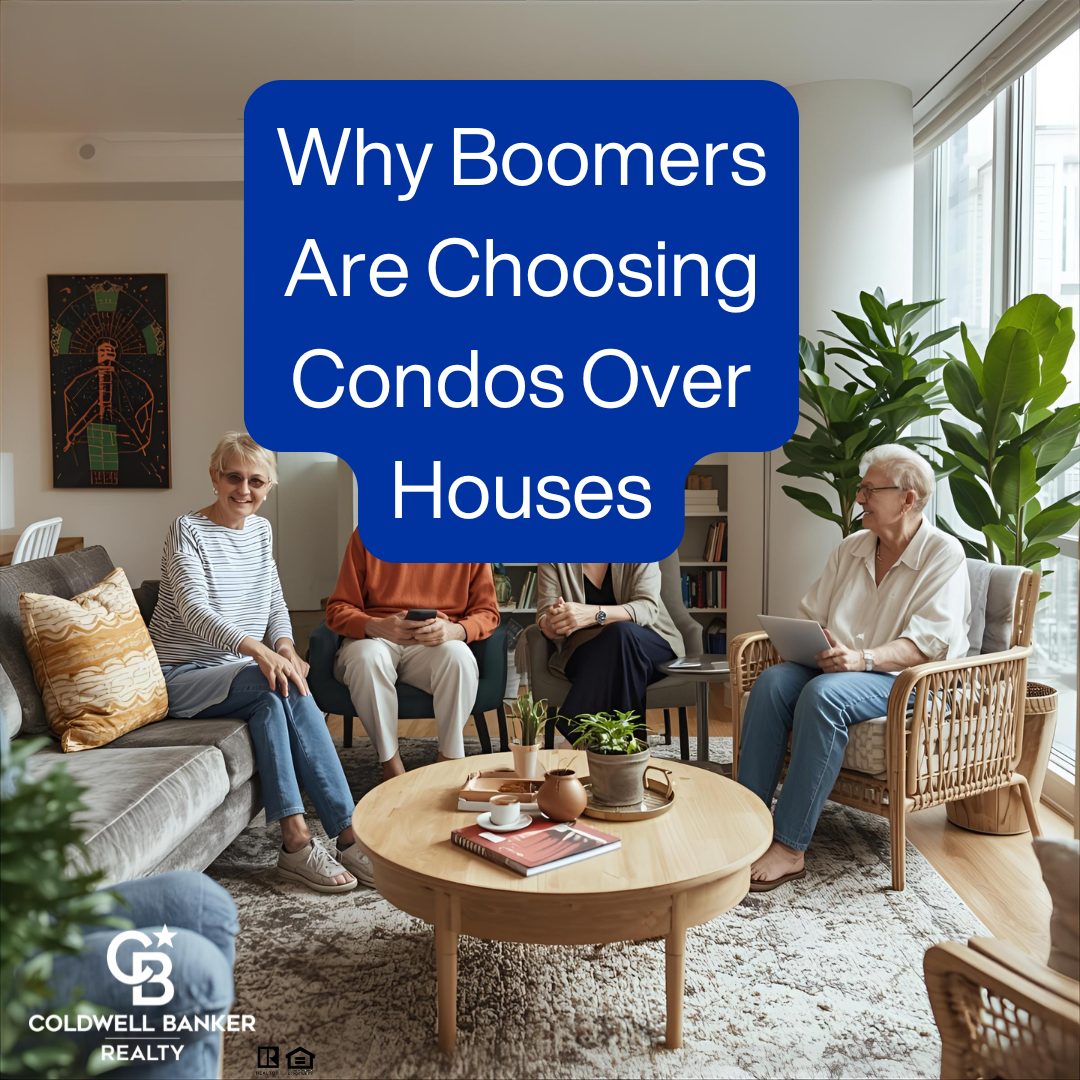
🏙️ Why Boomers Are Choosing Condos Over Houses: The Smart Shift Toward Simplicity
🧭 A New American Dream
For decades, owning a big home with a yard was the ultimate goal. Yet for today’s Baby Boomers, that dream is evolving. Across Cincinnati and beyond, many are re-imagining what “home” means.
Instead of chasing more space, they’re choosing condos that fit their lifestyle. The move isn’t about giving up; it’s about living smarter. As priorities shift toward freedom, comfort, and community, condo living offers all three—without the stress of upkeep.
🧰 1. Less Maintenance, More Living
Homeownership can start to feel like a job. Mowing, repairs, gutters, snow—it never ends.
Condos eliminate nearly all of that. With exterior maintenance, lawn care, and snow removal handled by professionals, owners reclaim their weekends.
In Loveland, one resident summed it up perfectly:
“We traded ladders and leaf blowers for lake trips and lunch dates.”
That simple shift gives Boomers what they want most—time. They can focus on friends, travel, and hobbies instead of chores.
✈️ 2. Lock-and-Leave Freedom
Retirement doesn’t mean slowing down. Many Boomers are more active than ever—traveling, volunteering, or visiting family across the country.
Condos make that possible. With secure entries, neighbors nearby, and maintenance teams on site, you can lock the door and go. There’s no need to ask someone to check the mail or shovel the driveway.
Whether heading south for the winter or spending a weekend in Nashville, condo living gives peace of mind and total flexibility. 🌎
💰 3. Financial Freedom
Condos often cost less than comparable single-family homes, and the savings extend beyond the sale price.
Utility bills shrink thanks to smaller square footage. HOA fees, while monthly, replace unpredictable repair costs. Roof leaks, siding damage, and landscaping? All covered.
That means predictable monthly expenses—a major perk for anyone on a fixed income. Many Boomers also sell their homes, buy a condo outright, and invest the equity. It’s not just downsizing; it’s financial right-sizing.
🏡 4. Right-Sizing, Not Downsizing
The word “downsizing” can feel negative, but this move is about living intentionally. Boomers are finding that they don’t need five bedrooms to feel comfortable.
Modern condos feature open layouts, high ceilings, and designer finishes. Imagine a sun-filled living room, a spa-style bathroom, and no stairs to climb. That’s not a downgrade—it’s an upgrade.
Many call it “right-sizing,” and it perfectly captures the balance between comfort and practicality.
🌟 5. Low Stress, High Style
Today’s condos are designed for convenience and beauty. Developers understand that Boomers expect comfort without compromise.
Communities such as The Views of Kenwood or Loveland Station blend elegance with efficiency. Fitness centers, rooftop lounges, and pet parks replace the traditional backyard.
Instead of maintaining a home, residents enjoy resort-style living every day—complete with security, amenities, and friendly neighbors.
♿ 6. Designed for Accessibility
Planning ahead is smart. Modern condos make that easy.
Features like step-free entries, elevators, wide hallways, and walk-in showers mean homeowners can live independently for decades. There’s no need to remodel or worry about stairs later on.
One Anderson Township couple told me,
“We didn’t move because we had to—we moved because we wanted to stay independent.”
That kind of forward thinking gives both comfort and control.
🧑🤝🧑 7. Built-In Community
Condos naturally foster connection. You see neighbors in the hallway, at the pool, or during weekly events.
Social calendars often include happy hours, yoga classes, or holiday potlucks. These shared experiences help residents form friendships quickly.
For many who spent years in suburban homes, this new sense of belonging is priceless. Instead of isolation, they find camaraderie—and fun. 🎉
🌆 8. Location, Location, Walkability
Boomers are done with long commutes and suburban traffic. They want access.
Condos in Hyde Park, Oakley, and Downtown Cincinnati place owners near restaurants, theaters, and shops. Walkability replaces windshield time.
Want brunch at Taste of Belgium or a Reds game at Great American Ball Park? Leave the car at home and stroll. 🚶♀️
Living near the action adds vibrancy to daily life and keeps residents active.
🌿 9. Energy-Efficient, Earth-Friendly
Smaller spaces naturally use less energy, but modern condos go further.
Smart thermostats, efficient HVAC systems, and LED lighting lower bills and carbon footprints. Shared walls also improve insulation, cutting heating and cooling costs.
For Boomers who value sustainability, condo living feels both practical and purposeful. 🌎
🧘 10. Simplicity and Peace of Mind
After decades of raising families, most Boomers have accumulated a lot of stuff. Condos encourage a meaningful clean-out.
Decluttering becomes empowering. It’s not about losing memories—it’s about making room for new experiences.
Once the move is complete, the emotional weight lifts. As one client said:
“I didn’t realize how freeing it would feel until I opened the door to my new place.”
Fewer things. Fewer worries. More life.
🔒 11. Safety and Security
Condos provide built-in safety that single-family homes rarely match.
Controlled access, cameras, and on-site management keep communities secure. Many buildings even have staffed lobbies or garage parking.
For frequent travelers or solo residents, that peace of mind is invaluable. You can head out of town knowing your home is safe and sound.
💬 12. Letting Go, Moving Forward
Selling a family home can be emotional. Every room holds memories, from first steps to holidays.
Yet, for most Boomers, once the move is made, relief replaces nostalgia. Without the burden of upkeep, they rediscover freedom.
A Milford couple recently shared:
“We thought we’d miss the house, but what we missed was time. Now, we have both time and new adventures.”
📊 13. The Market Speaks
According to the National Association of REALTORS®, more than 40% of condo buyers are over 55.
In Cincinnati, demand continues to climb. Condo listings rose 18% last year, while average time on market dropped. Prices remain steady, showing confidence among buyers and investors alike.
That makes condo ownership not just a lifestyle upgrade—but a smart financial move.
🏙️ 14. Cincinnati’s Condo Hotspots
Local communities are thriving. Here are a few favorites among my clients:
-
The Ascent at Roebling’s Bridge (Covington): Luxury living with skyline views and concierge services.
-
Loveland Station: Walk to shops, restaurants, and the bike trail.
-
RiverWalk at Anderson: Perfect for active adults near parks and river paths.
-
Kenwood Collection Residences: Upscale, centrally located, and filled with amenities.
Each offers its own flavor of Cincinnati living—urban energy or suburban peace—with condo convenience baked in.
👨👩👧 15. Creating a Legacy Move
Selling a larger home isn’t just about personal freedom. It can also help family.
Some Boomers use proceeds to assist adult children with down payments or college funds. Others invest the equity to strengthen retirement savings.
In that sense, condo living becomes part of a broader legacy—helping loved ones while simplifying your own life.
🧾 16. Insurance and Amenities: A Win-Win
Condo insurance generally costs less than single-family home coverage because the HOA’s master policy handles exteriors. Owners insure only the interior and contents.
Those HOA fees often unlock perks like pools, gyms, and community rooms. Instead of paying separate memberships or service providers, everything’s included.
In the long run, the value far outweighs the cost.
🌅 Conclusion: Less Space, More Life
Condo living isn’t about less—it’s about more of what matters.
More time for loved ones.
More freedom to travel.
More connection with community.
More joy in daily life.
Boomers aren’t retiring from homeownership—they’re reinventing it.
The shift from house to condo marks a new chapter built on purpose, simplicity, and freedom.
💬 Ready to Explore Condo Living?
If you’ve been thinking about simplifying your lifestyle, now is the time. I can help you:
-
Discover the best condo communities in Greater Cincinnati
-
Compare HOA costs and amenities
-
Evaluate your home’s market value
-
Plan your transition with confidence
👉 Get started today: Find Your Home’s Value in 60 Seconds
📞 Call or text me for a personalized condo consultation.
✨ Stay Connected
Subscribe to “Results That Move U” for daily market insights, lifestyle tips, and Cincinnati housing news.
Follow me for local updates and listings:
📸 Instagram: @mikemcentush_realtor
🌐 MikeSellsCincyHomes.com
📺 YouTube: Results That Move U
#BoomerLiving #CondoLifestyle #DownsizingSimplified #CincinnatiCondos #ActiveAdultLiving #MikeSellsCincyHomes #ResultsThatMoveU #ColdwellBankerRealty #FreedomLiving #LockAndLeaveLife #SmartMove #RealEstateCincinnati
The Legacy of Homeownership for Boomers: More Than Just Bricks and Mortar

🏡 The Legacy of Homeownership for Boomers: More Than Bricks and Mortar
🌅 A Generation That Defined the American Dream
The Baby Boomer generation — born between 1946 and 1964 — didn’t just live through modern America’s growth. They shaped it. From post-war optimism to economic booms, they helped create what we now call the American Dream.
For Boomers, owning a home wasn’t optional. It was essential. It meant stability, family, and financial security. It also represented pride and independence — proof that hard work paid off.
Over time, that home became more than shelter. It turned into a place where memories lived, families grew, and legacies began. 🏠✨
Today, as many Boomers enter retirement, their homes remain powerful symbols of success — and foundations for future generations.
💰 The Financial Backbone of a Generation
Boomers built wealth differently than later generations. Rather than tech stocks or crypto, their fortune was rooted in real estate.
In the 1970s, the average U.S. home cost around $27,000. Although mortgage rates were high, inflation and wage growth helped homeowners keep pace. As the decades rolled on, values climbed dramatically while payments stayed fixed.
Because of that, many Boomers now own homes worth 10 times their purchase price. Those decades of equity growth turned ordinary buyers into millionaires.
In simple terms:
-
💵 Equity created security. Each payment built wealth quietly and steadily.
-
🏦 Homes became leverage. They offered financial flexibility for retirement, travel, or investing.
-
👨👩👧 Generational wealth grew. Equity created opportunities for children and grandchildren.
Moreover, homeownership taught discipline — saving, maintaining, and planning for the long term. That’s a lasting financial legacy.
🪞 A Home Is More Than a House
To Boomers, a home represents identity. Before social media and digital profiles, people expressed themselves through the place they lived.
Front porches hosted stories and friendships. Neighborhoods became communities. Backyards turned into playgrounds, gardens, and gathering spaces.
Because of that emotional connection, selling or downsizing isn’t easy. Homes hold memories — birthdays, first steps, laughter, and loss. Each room tells part of a family’s story. Therefore, when Boomers consider moving, it’s not simply a transaction; it’s a reflection on a lifetime. ⏳❤️
🏘️ From Starter Home to Forever Home
Unlike many younger buyers who move frequently, Boomers often stayed put. Once they bought, they stayed — sometimes for decades. That commitment built stability and wealth.
However, as life changes, priorities shift. Children move out, and maintenance becomes harder. Consequently, many Boomers are asking:
-
Should I downsize for convenience?
-
Could I use my equity to help family members buy homes?
-
Would it make sense to age in place with smart renovations?
Each option carries emotional meaning, but it also opens doors to freedom, flexibility, and new beginnings.
🪜 The Ripple Across Generations
Boomer real estate decisions affect every generation that follows.
For Millennials and Gen Z:
Many first-time buyers now rely on family assistance or inheritance. That financial support often comes directly from Boomer home equity.
For Gen X:
They bridge two generations, often caring for parents and supporting adult children. Boomer wealth can ease that “sandwich generation” pressure by funding care or education.
For Communities:
When Boomers remodel or sell, neighborhoods evolve. Fresh ownership, new designs, and modern upgrades keep communities thriving. 🌳
Thus, each Boomer decision — to stay, sell, or gift — creates ripple effects that reach far beyond the family tree.
💡 Timeless Lessons from Boomer Homeowners
Despite new technology and market changes, the principles Boomers followed remain timeless.
-
Buy for the Long Haul. Real estate rewards patience and consistency.
-
Stay Within Your Means. Financial discipline creates long-term stability.
-
Maintain What You Own. Small repairs today prevent big expenses later.
-
Understand Market Cycles. Housing values rise and fall, but time smooths volatility.
-
Choose Community Over Size. The best investment is often in people, not square footage.
In addition, Boomers remind us that wealth grows through patience — not panic.
🧓 The Emotional Transition
After 30 or 40 years, selling a home can feel like closing a beloved book. Each photo, garden, and corner holds meaning.
As a REALTOR®, I’ve seen clients face this moment with both joy and hesitation. Some look forward to new adventures, while others want to ensure their homes bring happiness to another family.
Nevertheless, letting go isn’t losing a legacy — it’s passing it on. 🌻
🏦 The Upside of Downsizing
For many Boomers, downsizing feels liberating rather than limiting.
Imagine selling a $400,000 home and buying a cozy $250,000 condo. That $150,000 in profit could:
-
Boost retirement savings
-
Eliminate debt
-
Fund travel dreams
-
Help loved ones buy their first home
In addition, smaller homes reduce stress, maintenance, and expenses. With fewer chores, there’s more time for what truly matters — enjoying life.
And for those who wish to stay, home equity loans or reverse mortgages can provide financial breathing room while aging comfortably in place.
🏠 Aging in Place with Comfort and Dignity
Not every Boomer wants to move — and that’s okay. According to AARP, nearly 80% of Boomers plan to age in place.
Thanks to design innovations, it’s easier than ever. Wider hallways, walk-in showers, and smart-home features improve safety and convenience. Furthermore, these upgrades increase property value and quality of life.
Staying put allows Boomers to preserve community ties and remain close to friends. In short, it’s a way to keep continuity without sacrificing comfort.
🌎 A Lasting Economic Impact
Boomers own about 40% of all U.S. homes, giving them enormous influence over the housing economy.
Their buying, selling, and renovating decisions shape industries such as:
-
Construction and remodeling
-
Lending and finance
-
Travel and leisure
-
Healthcare and retirement living
As Boomers shift from building wealth to enjoying it, their spending continues to energize the economy. In essence, their homes are both personal sanctuaries and national assets.
🧭 Planning the Next Chapter
The modern housing market may feel overwhelming, yet clarity comes with guidance.
If you’re a Boomer exploring your options, start with these steps:
-
Clarify Your Goals. Decide whether your priority is freedom, family proximity, or financial security.
-
Know Your Home’s Value. Market trends change quickly — stay informed.
-
Explore All Paths. Selling, remodeling, or renting each offer benefits.
-
Partner with Experience. Work with a REALTOR® who understands your generation’s goals and values.
With a solid plan, transitions become opportunities instead of challenges.
❤️ The Emotional Legacy of Homeownership
A home’s true value isn’t just financial — it’s emotional.
It’s the tree planted in the front yard, the birthday candles blown out in the kitchen, and the quiet evenings spent together. Those moments form the heartbeat of a family’s story.
Ultimately, that’s what Boomers are leaving behind: not just wealth, but warmth. 🏡💫
🏁 Conclusion: The Boomer Blueprint for Legacy
The Baby Boomer story mirrors the American Dream itself. Their homes stand as testaments to perseverance, faith, and family.
As they turn the page to retirement or relocation, Boomers can take pride knowing they built more than houses. They built heritage.
If you’re ready to explore what’s next — whether downsizing, selling, or understanding your home’s current value — let’s talk. Together, we’ll honor your journey and prepare your next chapter with care and confidence.
👉 Reach out for your personalized home valuation or subscribe for weekly Cincinnati market insights.
📲 Mike McEntush, REALTOR® | Coldwell Banker Realty
💻 mikesellscincyhomes.com
📍 Cincinnati Eastside Specialist — Loveland • Milford • Batavia • Anderson Twp • Union Twp
✨ “Results that Move U.”
#BoomerLegacy #Homeownership #CincinnatiRealEstate #MikeSellsCincyHomes #ColdwellBankerRealty #ResultsThatMoveU #DownsizingJourney #HomeEquity #AmericanDream #BoomerWealth #LovelandOH #MilfordOH #AndersonTownship #RealEstateTips #LegacyPlanning #GenerationalWealth #AgeInPlace #RetirementLiving #HomeValue #SubscribeNow
From Apartment to House: A First-Time Homebuyer’s Journey

🏡 From Apartment to House: A First-Time Homebuyer’s Journey
🏙️ The Apartment Life: Where It All Begins
Apartment living can be great for a while. There’s no lawn to mow, maintenance calls are handled quickly, and moving is simple when life changes. However, after a few years of paying rent, most people begin to wonder:
💭 “Why am I helping my landlord build equity instead of building my own?”
That question is what sparks the journey for many first-time buyers across Greater Cincinnati—from Milford to Loveland, and Anderson Township to Batavia. Buying a home isn’t only about more space or privacy; it’s about creating financial security, long-term wealth, and a true sense of belonging.
💰 The Turning Point: Realizing You’re Ready
Everyone reaches the “I’m ready” moment differently. Maybe your rent just jumped again. Perhaps your lease is ending, or your family is growing. For others, it’s simply wanting peace and quiet without hearing your neighbor’s 6 a.m. treadmill routine.
The first step toward homeownership begins with a mindset shift—understanding that owning a home is not some far-off dream; it’s an achievable goal.
You might be ready to buy if you:
-
Have saved a small down payment (as little as 3%)
-
Earn a stable income
-
Plan to stay in the area for several years
-
Want the freedom to personalize your space
-
Prefer to invest in your own future, not your landlord’s
🧭 Step 1: Understanding What You Can Afford
Before you start browsing listings, it’s crucial to understand your financial picture. That begins with mortgage pre-approval.
A pre-approval shows how much a lender is willing to loan you based on your income, credit, and debt. It also helps you determine what monthly payment fits comfortably in your lifestyle.
💡 Pro tip: Don’t shop at the top of your approval range. Choose a payment that still leaves room for savings and a little fun.
Lenders typically review:
-
Credit score: ideally 620 or higher
-
Debt-to-income ratio (DTI): under 43%
-
Down payment: 0–20%, depending on loan type
-
Employment history: consistent for 2 years or more
🏦 Step 2: Exploring Loan Options
When it comes to mortgages, you have choices. Each program offers different advantages:
| Loan Type | Down Payment | Best For | Notes |
|---|---|---|---|
| FHA | 3.5% | First-time buyers | Flexible credit, low down payment |
| Conventional | 3–20% | Strong credit buyers | Fewer long-term fees |
| VA | 0% | Veterans/active duty | No PMI, excellent rates |
| USDA | 0% | Rural/suburban buyers | Income and location limits |
In many Cincinnati suburbs—like Batavia, Williamsburg, and parts of Milford—USDA loans are a hidden opportunity. They allow qualified buyers to purchase with no money down.
🏠 Step 3: The Fun Part—House Hunting
Here’s where things get exciting. Once you know your price range, it’s time to find the perfect fit.
As your REALTOR®, my goal is to guide you toward homes that balance location, layout, and lifestyle.
Consider these factors:
-
Commute & convenience: How far are you from work or school?
-
Neighborhood feel: Do you prefer quiet streets or a lively downtown?
-
Future resale value: Think long-term.
-
Condition vs. potential: A little vision can turn an average home into a gem.
👉 Remember—you can change the house, not the neighborhood.
🔍 Step 4: Making an Offer Like a Pro
Once you’ve found “the one,” it’s time to make a smart move.
The Greater Cincinnati market—especially Loveland (45140), Milford (45150), and Union Township (45245)—still sees multiple offers on great homes. Because of that, crafting a well-structured offer is essential.
A strong offer includes:
-
Pre-approval letter attached
-
Earnest-money deposit to show commitment
-
Flexible closing date (a big seller perk)
-
Simple contingencies
-
Professional guidance to balance emotion and strategy
🧾 Step 5: The Inspection & Appraisal
Even the most beautiful home deserves a careful inspection. A certified inspector uncovers hidden issues such as roof wear, HVAC condition, or drainage concerns.
Afterward, you’ll receive a detailed report. At that point, we can negotiate repairs or credits with the seller.
Next comes the appraisal, where a licensed professional confirms that the home’s value supports the agreed price. This step protects both you and the lender.
💬 Tip: Prioritize major items—foundation, roof, electrical—over small cosmetic issues.
🎉 Step 6: Closing Day
Congratulations—you made it!
Closing day is when the dream becomes reality. You’ll sign your documents, pay closing costs, and finally receive the keys to your new home.
Stepping across that threshold feels amazing. You’re not just buying property; you’re investing in your own future and stability. 🔑
🪴 Life After Move-In
Now that the boxes are unpacked (or at least the coffee maker is found), it’s time to maintain your investment.
Smart homeowner habits:
-
Create a maintenance schedule. Change filters, clean gutters, test smoke alarms.
-
Start a home-improvement fund. Even $50 per month helps.
-
Review insurance annually. Adjust coverage as values rise.
-
Track equity growth. Tools like Moxi Engage or Homebot make it easy.
By staying proactive, you’ll protect and grow your biggest asset.
🧠 Lessons from First-Time Buyers
After helping many Cincinnati buyers, I’ve noticed a few universal truths.
Buying is emotional, but also strategic. It’s easy to fall for a gorgeous kitchen, yet smart buyers balance feelings with facts.
You don’t need 20% down. Most programs allow 3–5%, and assistance grants can cover even more.
Timing the market is impossible. The right time is when you’re ready financially.
Work with professionals. Experienced REALTORS®, lenders, and inspectors keep your journey smooth and cost-effective.
💡 Real-Life Story: Sarah & Jake
Sarah and Jake rented a two-bedroom apartment in Eastgate, paying $1,500 a month. They assumed they needed $30K down to buy.
After we reviewed their situation, they discovered they qualified for an FHA loan with only 3.5% down—and received a $5,000 grant. Six weeks later, they closed on a three-bedroom in Batavia with a fenced yard for their dog.
Their new payment? $1,480 per month.
Today, they’re proud homeowners building equity every day. 🏡
🧮 Renting vs. Buying
Let’s do the math.
Renting:
-
$1,500 × 12 months = $18,000 per year gone
-
Rent typically rises 3–5% annually
-
No equity, no tax benefits
Buying:
-
Similar monthly payment—but equity grows
-
Mortgage interest may be tax-deductible
-
Homes in Greater Cincinnati appreciate 3–5% annually
Over five years, that’s the difference between $90,000 spent or $90,000 earned in equity.
🏘️ Neighborhood Highlights for First-Time Buyers
| Neighborhood | Avg Price | Vibe | Why Buy Here |
|---|---|---|---|
| Milford (45150) | $280K | Suburban charm | Walkable downtown, great schools |
| Batavia (45103) | $240K | Growing | Affordable new builds |
| Loveland (45140) | $340K | River & trail life | Excellent resale value |
| Union Twp (45245) | $310K | Evolving | Easy commute, good value |
| Anderson Twp (45255) | $400K | Established | Parks & top-rated schools |
Each offers affordability, community, and long-term investment potential.
❓Common Questions
How long does it take to buy?
Typically 30–45 days from accepted offer to closing, depending on financing and inspections.
What if I have student loans?
That’s okay! Lenders weigh your total debt, not just balances. We’ll find a program that fits your situation.
Is now a good time?
Absolutely—if you’re ready financially. Rates fluctuate, but homeownership creates lasting stability and equity.
💬 What Ownership Feels Like
Owning a home changes everything. You can paint the walls any color, plant a garden, or adopt a big dog without asking permission. More importantly, every payment you make builds your future instead of someone else’s.
That first morning coffee in your own kitchen? It hits differently. ☕🏡
🎯 Your Journey Starts Here
If you’re ready to move from renting to owning, remember:
👉 You don’t need perfect credit.
👉 You don’t need a massive down payment.
👉 You do need a trusted guide who knows the local market.
That’s where I come in.
As a Coldwell Banker REALTOR® serving Greater Cincinnati, I specialize in helping first-time buyers move confidently from apartment to homeownership.
Let’s turn your rent into an investment.
🚀 Ready to Begin?
📞 Call or text Mike McEntush – REALTOR® | Coldwell Banker Realty
🌐 www.MikeSellsCincyHomes.com
📲 Follow @MikeSellsCincyHomes for local market updates
👇 Subscribe to my blog “Results That Move U Real Estate” for weekly insights, homebuyer tips, and neighborhood spotlights.
#MikeSellsCincyHomes #ColdwellBankerRealty #CincinnatiRealEstate #FirstTimeBuyer #HomeSweetHome #LovelandOH #MilfordOH #BataviaOH #AndersonTownship #UnionTownship #HouseHunting #RealEstateTips #ResultsThatMoveU
What HGTV Doesn’t Tell You About Buying a Home

🏡 What HGTV Doesn’t Tell You About Buying a Home (and Why You’ll Need More Than a 30-Minute Episode to Survive It)
Let’s be honest.
We’ve all been there—curled up on the couch, popcorn in hand, watching yet another adorable couple tour three perfectly affordable dream homes on HGTV. They stroll through open-concept kitchens, compare backsplash tiles, and after a dramatic pause, announce which one they’ll buy. Cue the happy tears and perfectly staged “move-in” montage.
However, here’s the thing 🧐 — buying a home in real life is not a 30-minute montage. It’s more like a 10-season Netflix drama—part comedy, part chaos, with a few plot twists thrown in for good measure.
So buckle up! In this post, we’re breaking down what HGTV doesn’t tell you about buying a home—and how to actually enjoy the ride (with a few laughs along the way).
🎬 Scene 1: “We Found Our Dream Home in 24 Hours!”
Reality Check: Nope.
HGTV loves to make it look like buyers just stumble onto their forever home during a casual afternoon stroll. In reality, you’ll scroll through listings until your thumbs cramp, tour houses that smell like wet dogs and regret, and debate whether that “bonus room” is really just a converted closet.
Finding “the one” can take time—and that’s okay! In fact, patience is your secret weapon. A good REALTOR® (hi 👋) helps you narrow down what’s important, sets up alerts for new listings, and saves you from falling in love with a home that’s already under contract.
Pro tip: Real-life dream homes don’t come with commercial breaks. Still, with a solid plan and local market insight, you can absolutely get that “We found it!” moment—minus the camera crew.
🧱 Scene 2: “That Reno Only Cost $10,000!”
Oh, HGTV… you sweet, delusional optimists.
They make it look like you can completely remodel a 1970s kitchen with $10K and some elbow grease. In real life, $10K might get you new cabinets—or maybe just half of them.
What they don’t show you, however, are all the hidden costs:
-
The permits 🧾
-
The surprise plumbing issues 🚿
-
The six-week delay for the countertop guy who “just had another job come up” 🧰
And let’s not even talk about the “simple” DIY projects that end with a panic call to your contractor. Instead of trusting TV budgets, talk to a REALTOR® who knows trusted local contractors and understands what updates really cost in your market.
Spoiler alert: it’s not what you saw on “Love It or List It.”
🏠 Scene 3: “They Chose Between Three Homes!”
Wouldn’t that be nice?
HGTV couples always pick between exactly three homes. Not two. Not four. Always three. Because apparently, that’s the “Goldilocks number” for real estate television.
In reality, you might see ten homes. Maybe even twenty.
Each one will come with something unexpected:
-
“I love it… but it’s next to a train track.” 🚂
-
“It’s perfect… except for the bright purple carpet.” 💜
-
“It’s amazing… but my spouse hates the kitchen.” 😬
Your dream home isn’t always in the first batch. Yet, each showing helps you clarify your priorities—what’s a dealbreaker, what’s negotiable, and what can be fixed.
Think of it as a dating app for houses. You might swipe left on a few before finding “the one.” ❤️
💸 Scene 4: “They Just Knew It Was the One!”
Oh, did they now?
HGTV loves the “love at first sight” storyline—soft music, big smiles, and a tearful couple whispering, “This is it.”
In real life, you might “just know” after checking the foundation, reading the inspection report, confirming the school district, researching the HOA fees, and crunching the mortgage numbers. Romantic, right?
Here’s the truth: buying a home is part logic, part emotion. You want to feel that it’s right—but you also want to make sure it is right financially, structurally, and location-wise.
That’s where I come in: your REALTOR®, therapist, and voice of reason all rolled into one. 😄
📉 Scene 5: “They Got a Great Deal!”
On TV, every negotiation ends with the couple high-fiving because they “saved $25,000 off asking.”
In the real world? Sometimes the best “deal” is paying a fair price for a solid home that won’t bankrupt you later.
Because market conditions, inventory, and timing matter, strategy becomes everything. In a seller’s market, lowball offers get ghosted faster than a bad first date. In a buyer’s market, though, you might get closing costs covered, repairs negotiated, or even a free home warranty.
Ultimately, a skilled REALTOR® knows when to push, when to hold, and when to walk away—because sometimes, the best win is not overpaying for a fixer-upper disguised as a “hidden gem.” 🧠💰
😅 Scene 6: “They Closed in Two Weeks!”
Bless their hearts.
Unless you’re paying cash and Mercury is perfectly aligned, most closings take 30 to 45 days—and that’s if everything goes smoothly.
What HGTV doesn’t show you are the 27 emails from your lender, the last-minute “we need one more signature,” or that moment you realize you’ve signed your name so many times you’re questioning your own identity. ✍️
The home-buying process includes many steps: appraisals, inspections, loan approvals, and title searches. While none of that is glamorous, it’s all necessary. With the right team, though, you’ll get through it with your sanity intact—and maybe even your pen.
🧺 Scene 7: “They Lived Happily Ever After!”
Sure, after the cameras stop rolling, that happy couple probably discovered a few new quirks:
-
The mysterious creak in the floorboards 👻
-
The neighbor’s early-morning leaf blower 💨
-
The HOA email about their “non-approved” mailbox color 💌
Still, that’s the beauty of homeownership—it’s yours. You’ll make it your own, quirks and all. You’ll host birthdays, decorate for holidays, and maybe even paint over that questionable bathroom wallpaper.
At the end of the day, every real-life moment beats the staged ones on TV.
🛠️ Bonus Scene: What HGTV Doesn’t Tell You About Your REALTOR®
While HGTV likes to make REALTORS® look like side characters with perfect hair and dramatic coffee orders, here’s what we really do:
-
We fight for you in negotiations 🤺
-
We navigate the paperwork so you don’t lose your mind 🧾
-
We connect you with trustworthy inspectors, lenders, and contractors 🔍
-
We protect your interests (and your budget) 💪
You’re not just hiring someone to open doors—you’re hiring a guide, an advocate, and occasionally, a part-time comedian when things get stressful. 😅
😂 Scene 8: “Pinterest vs. Reality”
HGTV shows you a perfectly staged living room with matching pillows, sunlight streaming through spotless windows, and a dog who never sheds.
Meanwhile, real life looks more like this: you’ll spend your first weekend in your new home figuring out which light switch controls what, tripping over moving boxes, and wondering why your new fridge doesn’t fit the space.
And that’s completely normal! Perfection isn’t the goal—comfort is. A home that fits you and your lifestyle is better than one that just looks good on Instagram.
🌳 Scene 9: “They Loved the Neighborhood!”
On TV, everyone instantly falls in love with their neighborhood—the cute coffee shop, the friendly joggers, and the park down the street.
However, in real life, neighborhood “vibes” matter more than you think. You’ll want to drive by at different times of day, check commute times, research schools, and maybe even listen for barking dogs or traffic noise.
That’s where a local REALTOR® shines. I can tell you which areas are up-and-coming, which are holding steady, and which might stretch your dollar further—all without the reality-TV fluff.
🧃 Scene 10: “It’s All About the Granite!”
If you’ve watched even one HGTV episode, you know the magic words:
“Granite countertops.”
But here’s a secret: the countertop won’t make or break your investment. 🤯
What matters far more is location, layout, and long-term value. A cute kitchen can be updated. A great neighborhood? That’s forever.
So, don’t fall for the sparkle. Look for good bones, solid systems, and a home that fits your goals.
🏡 The Real Story: Your Journey > Their Script
The real home-buying process isn’t always glamorous, but it’s yours.
It’s messy, exciting, nerve-wracking, and completely worth it. You’ll laugh, you’ll stress, you’ll celebrate—and someday you’ll tell the story of how you survived it all.
HGTV makes it look easy. I make it doable. 😉
🎉 Conclusion: Life Isn’t a TV Show—It’s Better
Sure, HGTV might skip over the inspections, the loan delays, and the late-night “are we doing the right thing?” conversations. Nevertheless, those moments are what make your journey real.
When you work with a REALTOR® who gets it (and keeps things light when you need a laugh), buying a home becomes more than a transaction—it becomes an experience you’ll never forget.
So go ahead—watch HGTV for inspiration. But when you’re ready for real-life real estate, call me. I’ll bring the humor, the hustle, and the home-buying know-how that no camera crew can capture.
Ready to turn your HGTV dreams into a Cincinnati-style reality?
Let’s find your home—with fewer retakes, more fun, and zero drama!
👉 Contact me, Mike McEntush REALTOR®– Coldwell Banker Realty
📍 Serving Greater Cincinnati: Loveland • Milford • Anderson • Union Twp • Batavia
🌐 MikeSellsCincyHomes.com
💬 Subscribe to the blog for real-world real estate tips, market updates, and a few laughs along the way!
#MikeSellsCincyHomes #RealEstateHumor #HGTVRealityCheck #CincinnatiREALTOR #HomeBuyingJourney #LovelandHomes #MilfordOhio #AndersonTwp #BataviaOH #ColdwellBanker #REALTORLife #HomeSweetHome #HouseHunting #RealEstateLaughs #CincyLiving
The Most Surprising Housing Market Trends of 2025
🏠 The Most Surprising Housing Market Trends of 2025
🌟 Introduction
The 2025 housing market has been full of surprises. Many people expected prices to fall and rates to drop quickly. But the truth? Things are more complicated — and more interesting.
From shifting buyer habits to changing mortgage rules, this year has proven that real estate never sits still. Whether you’re a buyer, seller, or investor, these trends can help you plan your next move wisely.
Let’s explore the most surprising housing trends shaping 2025. 👇
🏡 1. More Homes Are for Sale — But Not All Are “New”
Good news first! Inventory is finally climbing. In many areas, there are over 20% more homes for sale than last year. That means buyers have more options and less competition.
But there’s a twist. Much of this new “inventory” isn’t brand-new. Instead, many listings are homes that didn’t sell in 2024, or sellers who are now relisting with price cuts.
➡️ In short: there are more homes to browse, but not all are fresh opportunities.
Tip for buyers: take your time. Homes are sitting longer, so you may have room to negotiate.
Tip for sellers: price your home smartly — buyers are watching values more closely than ever.
💰 2. Cash Is Still King
Even in 2025, cash buyers dominate. Almost 1 in 3 homes sold this year were paid for in cash.
Why? High mortgage rates are keeping many financed buyers out. Meanwhile, investors and downsizers with equity are jumping in with cash.
This creates a tricky market:
-
Cash buyers can move fast and often pay less.
-
Financed buyers must stand out with strong preapprovals or flexible terms.
-
Sellers love cash offers because they close faster and with fewer risks.
If you’re buying, get preapproved early and be ready to act fast. If you’re selling, expect more cash offers — but look beyond the dollar amount. The best offer isn’t always the highest one.
🌳 3. The Comeback of Suburban and Small-Town Living
Remember when everyone wanted to live downtown? That’s changing again.
Buyers in 2025 are moving toward suburbs and smaller cities for space, value, and quality of life. Many professionals still work remotely a few days a week, so the long commute is less of a deal-breaker.
What’s driving this trend?
✅ Lower property taxes
✅ Bigger homes for less money
✅ Quieter neighborhoods
✅ Stronger community vibes
From Loveland to Milford to Batavia, smaller towns near Cincinnati are seeing more buyers than ever.
📉 4. Some Prices Are Finally Dropping
For years, home prices seemed unstoppable. In 2025, we’re finally seeing small price drops in several markets.
Zillow predicts that national home prices may fall about 1–2% this year. Other forecasters expect slow growth — just 2–3%.
That’s not a crash, but it’s a big shift. In places that overheated during 2021–2023, prices are now flattening.
💡 Buyers may find better deals this year, especially in homes that have been sitting 60+ days.
💡 Sellers should be realistic — the bidding wars of 2022 are mostly gone.
📈 5. Mortgage Rates Are Still the Wild Card
Mortgage rates remain one of the most unpredictable forces in real estate.
While some experts predicted lower rates, 2025 has kept them mostly between 6% and 7%. Rates rise and fall with inflation, job numbers, and Federal Reserve policy.
This volatility is causing hesitation. Buyers wait for rates to drop. Sellers hold off because they don’t want to give up their old 3% mortgage. This creates the famous “lock-in effect.”
To keep deals moving, many sellers now offer rate buydowns or closing credits to help buyers afford payments.
➡️ If you’re waiting for a perfect rate, remember: you can always refinance later — but you can’t “refind” your dream home.
⚠️ 6. Foreclosures Are Slowly Returning
Another surprise in 2025: foreclosures and distressed listings are creeping up.
They’re still far below 2008 levels, but rising slowly as some homeowners struggle with high costs.
This shift matters because it:
-
Adds a bit more inventory to the market.
-
Creates buying opportunities for investors.
-
Signals that some households are feeling financial stress.
If you’re a buyer looking for a deal, keep an eye on these listings. Just be prepared — many need repairs or special financing.
🌦️ 7. Climate and Insurance Are Affecting Home Values
More buyers are thinking about climate risks like flooding, storms, and fires. Insurance rates are also climbing in many areas.
This means homes in lower-risk zones or higher ground are now in higher demand.
Some states are even requiring sellers to disclose flood or storm history. Buyers are paying attention — and they should.
This trend shows a growing awareness that location and safety go hand in hand.
💳 8. Credit Rules Are Changing
Getting a mortgage in 2025 looks a little different than before.
Lenders are testing new ways to measure creditworthiness, including rental payment history and spending habits.
That’s great news for some buyers — especially those with limited credit history — but it also means extra steps in the process.
👉 Be ready to share more documents and respond quickly during underwriting.
👉 Stay consistent with your income and spending habits while applying.
Small things matter when qualifying for a loan today.
🧱 9. Older Homes Are Back in Style
Here’s a trend few expected: older homes are hot again!
In many cities, renovated historic homes are now more expensive than newer builds. Why?
-
They have character.
-
They’re often in walkable neighborhoods.
-
And new construction costs are sky-high.
This “reverse filtering” means that older properties are moving up the market ladder — not down.
💪 10. Home Prices Are Still Resilient
Even with all these changes, most markets remain stable.
Prices aren’t skyrocketing anymore, but they’re not collapsing either. That’s a good sign for long-term owners.
Tight supply, strong employment, and population growth continue to hold values steady.
📊 Expect slow, steady growth instead of big swings.
📊 What This Means for You
🏠 Buyers
-
Get preapproved before shopping.
-
Focus on neighborhoods, not headlines.
-
Don’t fear negotiation — sellers are more flexible.
💼 Sellers
-
Price right the first time.
-
Offer creative incentives if needed.
-
Highlight upgrades and move-in readiness.
💸 Investors
-
Look for markets just outside major metros.
-
Consider long-term rentals or flips in affordable areas.
-
Watch climate risk and insurance trends carefully.
🔮 Quick Recap of 2025’s Biggest Surprises
-
More listings — but many are re-listed homes.
-
Cash buyers still rule the market.
-
Suburbs and small towns are booming again.
-
Prices are flattening in once-hot areas.
-
Rates remain high and unpredictable.
-
Foreclosures are ticking up.
-
Climate risk matters more in pricing.
-
Credit rules are evolving fast.
-
Older homes are gaining value.
-
Prices are steady, not soaring.
🏁 Conclusion
2025 proves that real estate is always changing. Some trends are surprising. Others are overdue. But one thing is clear — knowledge is your best tool in this market.
Buyers, sellers, and investors who stay informed can still find success, even in uncertain times.
🚀 Ready to Make Your Move?
If you’re thinking about buying or selling a home in the Cincinnati area, now’s the time to talk. I can help you understand local trends, price shifts, and opportunities — so you can make confident decisions.
📲 Contact me today at MikeSellsCincyHomes.com
💌 Subscribe to my daily blog for insider real estate tips, market updates, and neighborhood spotlights.
Let’s make your next move a smart one!
#CincinnatiRealEstate #HousingTrends2025 #MarketUpdate #HomeBuyingTips #RealEstateInvesting #MikeSellsCincyHomes #ColdwellBanker #RealEstateAdvice #SubscribeNow
Why Suburban Living Is Making a Comeback — The New American Dream in Motion
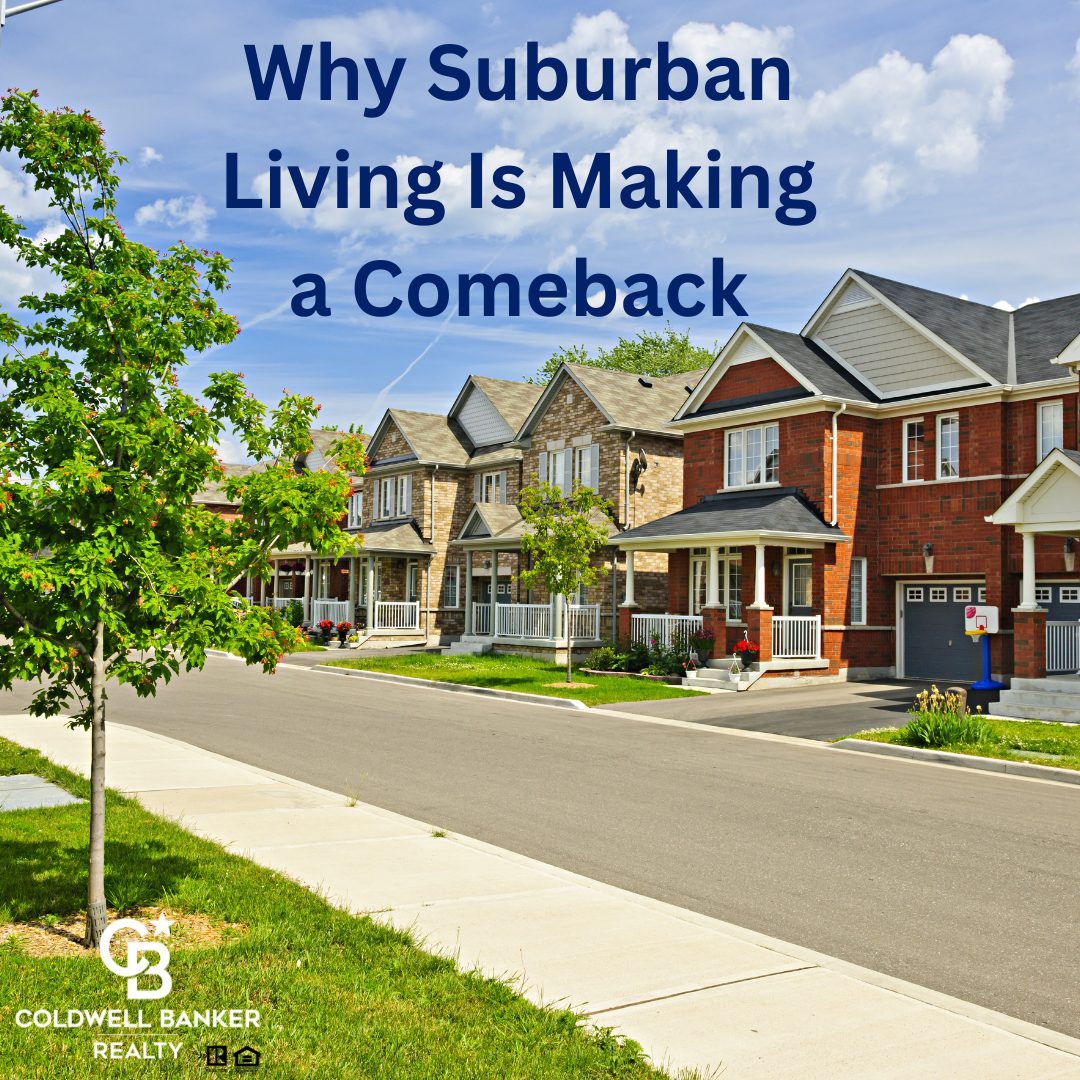
🏡 Why Suburban Living Is Making a Comeback — The New American Dream Reimagined
🌆 A Shift in the Way We Live
Not too long ago, living in the city felt like the ultimate goal. Downtown apartments, coffee shops on every corner, and quick commutes to work made city life exciting. Yet recently, many people have started trading skyline views for open yards, neighborhood barbecues, and quieter evenings.
This change isn’t random—it’s part of a bigger story. Across America, and especially around Cincinnati, families and professionals are realizing the suburbs offer what they truly want: comfort, connection, and room to breathe.
🏠 The Pandemic Reset: When Space Became Essential
During the pandemic, homes turned into offices, gyms, and classrooms. Suddenly, the importance of space became crystal clear. Instead of open-concept city lofts, people longed for backyards, home offices, and quiet streets where kids could safely play.
At the same time, many realized they didn’t need to sacrifice modern convenience to get more room. Suburban neighborhoods offered both—affordable space and easy access to what mattered most.
It’s no surprise that once homeowners experienced the calm of suburban life, few wanted to return to crowded city living.
💻 Remote Work Changed Everything
Before 2020, location meant everything. Most people lived near their jobs, even if that meant higher costs or smaller spaces. Remote work flipped that idea upside down.
Now, flexibility is the new commute. A strong Wi-Fi signal, a comfortable office nook, and a peaceful environment often matter more than proximity to downtown. Because of this, buyers began exploring areas like Loveland (45140), Milford (45150), and Anderson Township (45255)—neighborhoods offering charm, schools, and access to nature without giving up connectivity.
With hybrid work here to stay, that trend shows no signs of slowing down.
💰 Getting More for the Money
City living can be thrilling, but it’s also expensive. Between rent, parking fees, and grocery markups, urban costs add up fast. Suburban buyers, on the other hand, often find that their money stretches much further.
Imagine upgrading from a 900-square-foot condo to a three-bedroom home with a yard—for a similar monthly payment. That’s exactly what draws many to suburbs like Batavia, Amelia, and Milford. These areas offer more space, newer builds, and long-term value without breaking the bank.
When you add lower taxes, affordable utilities, and better resale potential, the suburbs make financial sense for nearly every stage of life.
👨👩👧👦 Family-Focused Communities
For families, suburban living often feels like a breath of fresh air—literally. Parents love the idea of safe neighborhoods, larger lots, and schools where teachers know every student’s name.
Beyond academics, suburban communities foster connection. You’ll find weekend sports leagues, farmers markets, and community events that bring neighbors together. Those moments—kids riding bikes on quiet cul-de-sacs or families gathering at local parks—create a kind of everyday joy that’s hard to find downtown.
🚗 Modern Suburbs Offer Modern Convenience
One myth about the suburbs is that they’re too far from everything. That might have been true decades ago, but not anymore.
Today’s suburbs have transformed into self-sufficient hubs filled with shopping, restaurants, and entertainment. You can enjoy a movie, grab dinner, or hit a brewery—all without driving into the city.
In Loveland, for example, residents stroll through the historic downtown, bike along the Little Miami Trail, and dine by the river. The experience feels vibrant yet relaxed—a perfect mix of convenience and calm.
🏞️ Nature and Balance Take Center Stage
While the city buzzes with constant movement, suburban life invites a slower, healthier rhythm. Parks, trails, and open spaces encourage residents to get outside and reconnect with nature.
Cincinnati’s east-side suburbs make that easy. From the Little Miami Scenic Trail to East Fork Lake, there’s no shortage of outdoor escapes. Even a simple walk through tree-lined streets or an evening on your back deck can do wonders for your well-being.
It’s not just about having space—it’s about feeling at peace in it.
🧑💼 Millennials and Gen Z Are Redefining the Suburbs
It’s not just families fueling the suburban comeback. Millennials and Gen Z buyers are entering the market, and they’re bringing fresh ideas with them.
Unlike their parents’ generation, they want walkable communities, local coffee spots, and eco-friendly homes. Developers have responded by creating neighborhoods that blend the best of both worlds—suburban comfort with urban energy.
These younger buyers see the suburbs as a place to grow, not “settle down.” For them, it’s about lifestyle, not location.
🚧 Suburbs Are Adapting and Evolving
The modern suburb looks a lot different than it did 20 years ago. Instead of endless cul-de-sacs, many new communities feature town centers, bike paths, and mixed-use developments that bring people together.
Places like Liberty Center have become suburban destinations, offering shops, dining, entertainment, and even co-working spaces. Meanwhile, older neighborhoods are revitalizing their downtowns to attract new energy while preserving local character.
The result? Suburbs that feel connected, engaging, and alive.
🏡 Redefining the American Dream
For generations, the American Dream centered on owning a home. Over time, that dream shifted—from wide suburban lots to sleek urban lofts and now, back again.
The difference today is flexibility. Homebuyers want both comfort and connection. They’re looking for homes that support remote work, family life, and personal wellness.
Suburbs now deliver exactly that—a space to live, grow, and truly thrive.
🔍 Spotlight on Cincinnati’s Suburbs
Let’s take a closer look at some of Greater Cincinnati’s hottest suburban markets:
Loveland (45140)
A perfect blend of small-town charm and big-city access. Known for its bike trail, riverfront dining, and award-winning schools, Loveland draws everyone from young couples to retirees.
Milford (45150)
Affordable homes, strong community spirit, and excellent schools make Milford a favorite among families. It’s also seeing steady appreciation, making it a smart investment.
Anderson Township (45255)
Tree-filled neighborhoods, beautiful parks, and top-rated schools give Anderson lasting appeal. Its proximity to downtown Cincinnati makes it ideal for hybrid workers.
Batavia & Amelia (45102 / 45103)
These fast-growing suburbs offer newer homes, easy highway access, and a relaxed pace. They’re great for buyers seeking value without sacrificing lifestyle.
Each of these communities showcases what makes suburban living in Cincinnati so appealing: space, safety, and a welcoming atmosphere.
🌍 The Human Side of Suburban Life
Beyond affordability or square footage, the real magic of the suburbs lies in connection.
You’ll find neighbors waving during evening walks, kids playing basketball in the driveway, and families gathering for cookouts. That sense of belonging is priceless.
After years of digital overload and urban isolation, people are rediscovering what it means to feel at home. Suburban life isn’t about slowing down—it’s about living more intentionally.
📈 A Smart Move for the Future
From an investment perspective, suburban real estate continues to show strong, steady growth.
Properties in established school districts hold value even during market fluctuations. New developments in up-and-coming suburbs attract first-time buyers and renters alike, creating reliable demand.
Whether you’re buying for your family or your financial future, suburban housing offers stability, appreciation, and peace of mind.
🌞 A Lifestyle Worth Coming Home To
The appeal of the suburbs goes far beyond affordability. It’s about freedom—freedom to enjoy your space, to connect with neighbors, and to live on your own terms.
Imagine working remotely in your sunlit home office, walking your dog along quiet streets, or hosting friends for a backyard cookout. That’s suburban life—vibrant, relaxed, and full of possibility.
🏁 Conclusion: The Comeback Is Here to Stay
The shift back to suburban living isn’t just a temporary reaction—it’s a lasting transformation.
People are choosing neighborhoods that offer balance, community, and opportunity. They want homes that reflect what truly matters: time, family, and peace of mind.
Here in Cincinnati, that dream is alive and well. From Loveland’s charming downtown to Milford’s family-friendly vibe, the suburbs are proving once again that home is where life feels right.
📣 Ready to Find Your Perfect Suburban Home?
If you’ve been thinking about making the move, there’s never been a better time to explore Cincinnati’s east-side communities.
👉 Contact me, Mike McEntush – Coldwell Banker Realty, to discover homes that fit your lifestyle and budget.
💬 Let’s find a neighborhood where you can grow, relax, and thrive.
📬 Subscribe to my “Results That Move U” Daily Blog for insider market updates, tips, and community spotlights across Greater Cincinnati.
#SuburbanLiving #CincinnatiRealEstate #MikeSellsCincyHomes #LovelandOhio #MilfordOhio #AndersonTownship #BataviaOhio #RealEstateTrends #HomeSweetHome #ColdwellBanker #RealtorLife #MoveToTheSuburbs #HomeBuyers #CincyLiving #ResultsThatMoveU
The Psychology of Real Estate Investing:
🧠 The Psychology of Real Estate Investing: What Drives Smart Investors to Success
Real estate investing isn’t just about profit margins or property values — it’s about understanding people, motivation, and mindset. Emotions influence nearly every decision, from when to buy to when to sell. The most successful investors aren’t simply skilled with numbers; they understand how psychology shapes behavior.
In the Cincinnati market and beyond, the smartest investors know that their greatest asset is their ability to think clearly — especially when everyone else is reacting emotionally. Let’s explore how psychology drives real estate investing and how you can use it to make confident, well-timed decisions.
🏡 1. The Emotional Foundation of Real Estate Investing
Every investment begins with emotion. Behind every offer, there’s a story — a hope, a fear, or a vision of the future. You’re not just purchasing a property; you’re buying a piece of security, freedom, or independence.
When home prices rise, excitement spreads quickly. Buyers fear missing out and jump in too fast. When prices fall, fear takes over and opportunity gets overlooked. These emotions — fear, greed, regret, and hope — drive market movement more than most people realize.
Recognizing emotions doesn’t mean ignoring them. It means learning to observe without reacting. Successful investors make logical decisions while others are swept away by panic or hype.
💰 2. Abundance vs. Scarcity: The Mindset Divide
Mindset determines whether you find success or frustration in real estate.
A scarcity mindset whispers, “There aren’t enough deals,” or “Someone else always gets there first.” This thinking fuels anxiety and impulsive decisions.
In contrast, an abundance mindset says, “Opportunities are everywhere,” and “I can learn what I don’t know yet.” That mental shift changes everything.
When you view the market through abundance, you stay patient, open-minded, and strategic. In fact, most long-term Cincinnati investors I’ve worked with share one belief:
“There’s always another deal if you stay prepared.”
📈 3. Understanding Risk and Reward Psychology
Every investor handles uncertainty differently. Some enjoy the thrill of flipping homes, while others prefer the steady rhythm of rental income. Knowing your personal risk comfort level prevents costly emotional mistakes.
Ask yourself a few questions before diving in:
-
Do I stay calm when the market changes?
-
Am I comfortable waiting for long-term appreciation?
-
How do I handle unexpected repairs or vacancies?
Being honest with yourself helps match your investment style to your personality — a crucial step for lasting success.
🧩 4. Hidden Biases That Shape Investor Decisions
Even confident investors fall into mental traps known as cognitive biases. These automatic thought patterns can quietly sabotage results.
🔹 Anchoring Bias
The first price you see becomes your reference point. If a home lists for $350K, you may assume it’s worth that even when comps show $310K.
🔹 Confirmation Bias
We naturally seek evidence that supports our opinions. If you believe “the market is strong,” you might ignore signs of slowing demand.
🔹 Herd Mentality
When everyone is buying in a hot neighborhood, it’s tempting to follow the crowd. Unfortunately, by the time most investors join in, prices have already peaked.
🔹 Loss Aversion
People fear losing more than they value winning. Holding a money-losing property often feels safer than selling — but that emotion can block progress.
Awareness is power. Recognizing these patterns lets you pause, analyze, and make grounded choices — or talk through options with a trusted Realtor® who can see the big picture.
🧠 5. Why Smart Investors Avoid Trend Chasing
Every few years, a “can’t-miss” real estate trend takes over. Maybe it’s luxury Airbnbs or suburban new builds. At first, profits look amazing — until the market floods and returns drop.
Trend-chasing is rooted in FOMO — fear of missing out. The best investors resist that pull and focus instead on fundamentals: cash flow, job growth, and long-term demand.
Before jumping on a trend, ask:
“Will this still perform well a decade from now?”
In Greater Cincinnati, steady demand often comes from areas near strong schools, new infrastructure, and growing employment hubs — not from hype.
🏦 6. The Psychology of Trust and Relationships
Real estate is built on relationships, not just real estate.
From lenders and contractors to Realtors® and tenants, the most profitable investors build trust.
People prefer doing business with those they like, respect, and believe in. When your reputation is honest and consistent, referrals follow naturally. Treat sellers fairly, communicate clearly, and maintain integrity. That’s how you build long-term equity — not just in property, but in people.
Here in Cincinnati, many of my best deals came from relationships nurtured years earlier — proof that goodwill truly compounds.
🧱 7. Conquering Fear: The Investor’s Biggest Obstacle
Fear stops more people from investing than lack of money or opportunity ever will. It whispers doubts like “What if the market crashes?” or “What if I pick the wrong property?”
But every successful investor started scared. The difference is that they moved forward anyway.
Preparation is the best antidote to fear. Learn the market, run the numbers, and partner with experts who guide you with facts, not feelings.
Fear thrives in uncertainty. Confidence grows with knowledge.
Once you understand that principle, investing becomes less intimidating — and a lot more rewarding.
💼 8. The Psychology of Negotiation
Negotiation isn’t a battle; it’s a conversation. The smartest investors approach it with empathy, not ego.
Understanding what motivates the other party changes everything. Maybe a seller values a quick close over a higher price. Maybe a tenant just needs reassurance about stability.
When you can identify those emotional drivers, you create win-win outcomes. Successful negotiation is 80% psychology and 20% math — and those who listen the best usually walk away with the best deal.
🔍 9. Escaping Analysis Paralysis
Doing research is wise. Over-researching, however, leads to analysis paralysis — where overthinking replaces action.
You compare endless listings, run scenarios, and wait for “perfect timing.” Meanwhile, someone else takes the leap and secures the deal you hesitated on.
Real estate rarely offers certainty. Smart investors aim for informed confidence, not perfection. When 80% of the variables check out, it’s usually time to move.
🌆 10. Long-Term Thinking Beats Short-Term Emotion
Short-term emotions cause long-term regrets. Selling too quickly, chasing quick flips, or buying based on excitement often leads to disappointment.
Seasoned investors zoom out and look years ahead. Real estate wealth compounds through appreciation, rent increases, and principal paydown — not overnight gains.
Neighborhoods like Loveland, Anderson, and Milford in Cincinnati prove that patience pays. Those who held their properties through market cycles now enjoy both equity growth and stable rental demand.
The market always rewards patience over panic.
🧮 11. Identity and Belief Shape Investor Behavior
How you see yourself as an investor directly affects how you act.
If you think, “I’m just trying this out,” you’ll likely hesitate. But when you adopt the identity of a real estate investor, your confidence changes.
You’ll seek education, attend networking events, and make data-backed moves. Psychologists call this concept self-belief alignment — your actions follow your internal story.
Believing you belong in the game helps you play it better.
🔑 12. Emotional Resilience: Bouncing Back from Setbacks
Every investor faces challenges — delayed closings, bad contractors, or rental issues. What separates winners from quitters is resilience.
Resilient investors reframe setbacks as lessons. They don’t dwell on one bad deal or one late payment. Instead, they adjust, improve, and keep moving.
Perspective is everything:
-
A tough month doesn’t define your year.
-
One property doesn’t define your portfolio.
-
Every obstacle builds your strength.
Keep your mindset steady, and your success will follow.
🧭 13. Reconnecting with Your “Why”
Money motivates at first, but purpose sustains success. Ask yourself why you’re investing. Is it for family security? Freedom? Legacy?
When your “why” runs deeper than dollars, you’ll stay focused through market cycles. Financial gain is simply the tool that helps you live your purpose.
Your reason fuels your resilience — and that’s what turns short-term wins into lifelong wealth.
💬 14. Applying Psychology to Real Estate Success
Here’s how to turn all this psychology into action:
✅ Adopt an abundance mindset. Opportunity exists in every market.
✅ Pause before reacting. Emotional decisions often cost the most.
✅ Keep learning. Knowledge increases confidence and cuts fear.
✅ Build strong relationships. Trust attracts opportunity.
✅ Stick to fundamentals. Follow your numbers, not your nerves.
✅ Play the long game. Consistency outperforms intensity.
Each of these habits builds psychological strength — and that’s what separates investors who endure from those who burn out.
🏁 Conclusion: Master the Mind, Master the Market
Real estate investing is a mental game as much as a financial one.
Markets rise and fall. Interest rates change. Strategies evolve. Yet one thing remains constant: your mindset determines your outcome.
When you understand your emotions, identify your biases, and stay focused on long-term goals, you gain the confidence to act decisively — even when others hesitate.
The strongest portfolios are built not just with money, but with mindset.
💬 Ready to Invest Smarter?
If you’re ready to explore real estate investing in the Cincinnati area, let’s talk. Whether you’re a first-time investor or building your next portfolio, I’ll guide you through every step with data, insight, and experience.
📞 Contact me, Mike McEntush – Coldwell Banker Realty, and let’s start your journey toward financial freedom through real estate.
✨ Subscribe to my daily blog for market updates, psychology-based strategies, and fresh insights to help you think — and invest — like a pro.
#MikeSellsCincyHomes #CincinnatiRealEstate #RealEstateInvesting #MindsetMatters #PropertyInvestment #WealthBuilding #ColdwellBankerRealty #InvestInYourFuture #RealtorLife #CincyInvestors #FinancialFreedom #PassiveIncome #RealEstateTips #SmartInvesting #RealEstateMindset
Why Location is Everything for Real Estate Investors

🏘️ Why Location Is Everything for Real Estate Investors in Cincinnati, Ohio
When you invest in real estate, you can change a lot about a property. You can upgrade the kitchen, add a deck, or finish a basement. But one thing you can never change is where it sits — the location. 🏠
That’s why every smart investor says, “Location is everything.”
In Cincinnati, this idea matters even more. The city is full of neighborhoods that each tell a different story. From historic Over-the-Rhine to family-friendly Anderson Township, or the fast-growing suburbs of Milford, Batavia, and Amelia, location decides how your investment performs.
Let’s break down why the right location makes all the difference — and how to spot it here in the Queen City.
🏙️ Cincinnati: A City Made of Neighborhoods
Cincinnati isn’t one big housing market. Instead, it’s a mix of smaller markets, each with its own personality, price range, and buyer base.
For example, Loveland draws outdoor lovers with its bike trail and charming downtown. Oakley and Hyde Park attract young professionals who enjoy walkability. Meanwhile, Milford and Batavia offer affordability, schools, and easy highway access.
Because of these differences, two houses that look identical can perform very differently depending on where they are located. Even a single school-district boundary can change value by tens of thousands of dollars.
That’s why investors who understand Cincinnati’s map always have an edge.
🚗 Easy Access Means Higher Value
When it comes to rental demand, accessibility is key.
If a property has quick access to major highways like I-275, I-71, or Route 32, tenants can easily commute to work. Homes close to job centers in Blue Ash, Kenwood, or downtown Cincinnati rent faster and stay full longer.
In addition, proximity to large employers — such as Procter & Gamble, GE Aviation, and Children’s Hospital — creates stability. When people can live near where they work, they’re more likely to renew their leases.
Simply put, better access means better income.
🎓 School Districts Drive Demand
Great schools make great investments. Even if your tenants don’t have children, areas with top-rated schools consistently show higher resale values and stronger rental interest.
Districts like Loveland, Milford, Forest Hills, and Mason are among the best in the region. These neighborhoods attract families who stay for years and take pride in their homes.
Because of that, property owners enjoy lower turnover, steady rent, and rising home prices.
🌳 Lifestyle and Local Amenities Matter
Modern buyers and renters want more than walls and a roof. They want a lifestyle.
They look for places near parks, shops, restaurants, and entertainment. That’s why neighborhoods like Hyde Park, Oakley, and Loveland are always in demand. You can walk to dinner, bike on the trail, or grab coffee nearby.
Even outer suburbs such as Eastgate and Amelia perform well because they offer convenience and newer housing options.
When a location offers both comfort and community, people are willing to pay more — and stay longer.
🛡️ Safety and Reputation Count
Safety shapes how people feel about where they live. A home in a clean, quiet, and low-crime area will always rent faster and sell easier.
Neighborhoods like Anderson Township, Madeira, and Montgomery have strong reputations for safety and community. These areas often attract long-term homeowners and responsible tenants.
On the other hand, improving areas such as Walnut Hills and Camp Washington can offer opportunity for investors who understand timing and growth cycles. While they may carry a bit more risk now, they can deliver big rewards later.
💼 Cincinnati’s Strong Economy Supports Investors
One major reason Cincinnati remains a great market is its economic diversity. Unlike cities that depend on one industry, Cincinnati spreads its strength across many — health care, manufacturing, finance, education, and logistics.
Major employers like Kroger, Fifth Third Bank, and UC Health keep jobs steady. In addition, the Amazon Air Hub at CVG Airport has boosted logistics growth, while ongoing downtown development continues to attract new businesses.
This economic balance gives investors confidence. As long as people work here, they’ll need a place to live.
📈 Appreciation: Where Location Builds Wealth
Location also drives long-term appreciation — the increase in your property’s value over time.
For example:
-
Loveland continues to grow because of its schools and outdoor charm.
-
Milford offers easy access to I-275 and new retail developments.
-
Anderson Township attracts both young families and retirees.
-
Downtown Cincinnati and Over-the-Rhine keep evolving with new restaurants, apartments, and entertainment venues.
In every case, buyers want to be close to the action. As demand grows, values rise.
When you choose a strong location, you’re not just earning rent — you’re growing equity.
🏗️ Future Development: Investing in Tomorrow
The best investors don’t just look at what’s built today. They pay attention to what’s coming next.
Cincinnati continues to invest in its future. Projects such as The Banks expansion, Eastern Corridor upgrades, and new mixed-use developments in areas like Milford and Oakley are reshaping local demand.
When roads improve and new amenities appear, nearby property values often rise.
That’s why smart investors watch city plans, new construction permits, and retail openings. Every crane on the skyline is a clue to future opportunity.
💵 How Location Impacts Cash Flow
A property’s location affects nearly every financial metric.
-
Rent levels: Desirable neighborhoods can charge more.
-
Vacancy rates: Good areas attract tenants faster.
-
Maintenance costs: Newer suburbs often have lower upkeep.
-
Insurance and taxes: Vary by county and township.
For example, a three-bedroom home in Milford might rent for $1,900 per month and fill within a week, while a similar home farther east could sit vacant for a month.
That difference in occupancy and rent adds up — and it’s all because of location.
🧭 Cincinnati Location Checklist for Investors
Use this simple checklist before you buy:
| Factor | Example | Why It Matters |
|---|---|---|
| Commute Time | Close to I-275 or I-71 | Shorter drives attract tenants |
| Schools | Loveland, Milford, Forest Hills | Higher value and stability |
| Amenities | Near shops, parks, trails | Adds lifestyle appeal |
| Safety | Low-crime, clean streets | Protects your investment |
| Jobs Nearby | P&G, GE Aviation, UC Health | Strong rental pool |
| Community Vibe | Walkable, friendly | Keeps demand steady |
| Future Growth | Planned retail or road work | Increases value |
| Taxes & Insurance | Check township rates | Impacts net income |
| Exit Strategy | High resale demand | Easier to sell later |
By taking time to research each of these points, you protect your profit and lower your risk.
⚠️ Common Mistakes to Avoid
Many investors lose money not because of bad properties, but because of bad locations.
Here are common pitfalls to avoid:
-
Buying the cheapest home. A low price might mean low demand.
-
Skipping neighborhood research. Always check crime data, zoning, and future plans.
-
Ignoring street-by-street changes. One block can make a huge difference.
-
Assuming renters will come. If there are no jobs or amenities nearby, vacancy risk rises.
-
Forgetting exit plans. A home in a weak location may be hard to sell later.
Avoiding these mistakes keeps your investment strong — and stress-free.
🌆 When “Rough Around the Edges” Means Potential
Sometimes, areas that look rough today can become gold tomorrow.
Cincinnati’s history proves this again and again. Neighborhoods such as Walnut Hills, Evanston, and Camp Washington have turned around thanks to local investment and young buyers moving in.
These “emerging” markets may require patience, but they can offer major appreciation when development picks up.
If you’re willing to take calculated risks, blending a few growth-area properties with stable ones can balance your portfolio.
🧠 Think Long-Term — Buy the Future
The best investors focus on where Cincinnati is going, not where it has been.
They study migration trends, upcoming projects, and school improvements. They visit neighborhoods at different times of day. They ask: Would I want to live here?
Because if the answer is yes, chances are others will too.
By thinking five or ten years ahead, you’re investing in the city’s future, not just today’s market.
📊 Cincinnati: Affordable, Strong, and Growing
Cincinnati remains one of the most affordable major metros in the Midwest. While home prices have risen, they’re still lower than in nearby cities like Columbus, Nashville, or Chicago.
At the same time, rental demand remains high because of consistent job growth and population stability. That combination — affordable entry costs and steady returns — makes Cincinnati a sweet spot for investors.
You don’t need millions to get started. You just need the right location and a solid plan.
🤝 Work With a Local Expert Who Knows the Map
Every Cincinnati neighborhood has its own rhythm. What’s a great deal in Batavia might be overpriced in Hyde Park.
That’s why working with a local expert matters.
As a Coldwell Banker Realty agent, I help investors understand each community’s strengths, growth potential, and hidden opportunities. I analyze schools, taxes, rental comps, and future projects — all so you can make confident decisions.
Together, we’ll find locations that match your goals and fit your strategy.
🏁 Conclusion: Location Isn’t Everything — It’s The Thing
Real estate is about people — where they live, work, and build their lives. Because of that, location drives every success story.
You can update a home. You can adjust rent. But you can’t move the land beneath it.
So before you buy your next property, pause and ask:
👉 Is this the right location?
That one question can protect your money and grow your future wealth.
📣 Let’s Find Your Next Great Location!
If you’re ready to invest in Cincinnati — whether you’re buying your first rental or expanding your portfolio — let’s talk.
I’ll help you find the best neighborhoods, run the numbers, and secure properties that perform.
And if you enjoy staying ahead of market trends —
🔔 Subscribe to my blog today for more Cincinnati real estate tips, investment strategies, and neighborhood updates!
#CincinnatiRealEstate #RealEstateInvesting #MikeSellsCincyHomes #LocationIsEverything #CincyInvestors #OhioHomes #PropertyInvesting #RealEstateTips #PassiveIncome #WealthBuilding #AndersonTownship #MilfordOhio #LovelandOhio #EastgateHomes #ColdwellBankerRealty
The Rise of Lifestyle-Driven Home Buying: Why Today’s Buyers Are Choosing Homes That Fit Their Lives

The Rise of Lifestyle-Driven Home Buying: Why Today’s Buyers Choose Homes That Fit Their Lives 🌎🏡✨
Introduction: A New Era in Home Buying
Home buying has always been influenced by price, location, and size. Those remain important, but today’s buyers are guided by something bigger. More people now ask, “Does this home support the way I want to live?”
As a result, we are seeing the rise of lifestyle-driven home buying. Homes are no longer just buildings. Instead, they are places that reflect passions, encourage wellness, and enhance daily routines. This shift is shaping markets everywhere—including here in Cincinnati.
1. The Home Office Revolution 💻🏡
The work-from-home boom changed everything. Before 2020, a spare bedroom was often enough. Now, buyers demand a dedicated workspace.
Key lifestyle-driven questions include:
-
Will I have natural light for long video calls?
-
Is the room quiet enough for meetings?
-
Does the layout allow built-in shelves or desks?
In addition, strong Wi-Fi and space for dual monitors are must-haves. Consequently, homes with finished basements, lofts, or bonus rooms are more attractive than ever.
👉 Buyers no longer settle for “making do.” They want a home that helps them succeed in their careers.
2. Wellness and Health at Home 🧘♀️🏋️♂️
Wellness is no longer limited to gyms or studios. Instead, buyers expect homes to support both mental and physical health.
-
Spare rooms become yoga studios.
-
Garages transform into weight rooms.
-
Sun-filled corners double as meditation spaces.
Furthermore, outdoor living spaces add tremendous value. Patios, decks, and gardens provide a calming escape after long workdays.
As a result, listings that highlight wellness features stand out in today’s competitive market.
3. Entertainment and Social Living 🎶🍷🎥
Another lifestyle trend is the focus on connection. Buyers want homes that make entertaining easy and enjoyable.
For instance:
-
Open floor plans allow hosts to cook and mingle at the same time.
-
Outdoor kitchens extend gatherings into warm evenings.
-
Media rooms create perfect spots for sports fans or movie lovers.
In addition, these features often inspire emotional reactions. Buyers imagine future birthdays, cookouts, and game nights—making them more likely to compete for the home.
4. Multi-Generational Living 👵👨👩👧👦
Families are changing. Because more people are combining households, multi-generational living is becoming common.
Today’s buyers look for:
-
In-law suites with private entrances.
-
Finished basements that act as apartments.
-
Flex spaces that evolve as kids or grandparents move in.
Therefore, a home’s adaptability is now a major selling point. Instead of asking, “Is this house big enough?” buyers wonder, “Can this house grow with us?”
5. Proximity to Passions 🎾🚴♂️🌳
Location still matters, but not just for commuting. More buyers want homes near what they love.
For example:
-
Runners and cyclists value proximity to trails.
-
Golfers search for homes near courses.
-
Foodies and coffee lovers look for walkable dining options.
In other words, lifestyle-driven buyers prioritize joy over convenience. A ten-minute walk to a favorite café may outweigh a shorter drive to work.
6. Smart Homes and Daily Convenience 📱💡🔒
Technology has become part of everyday living. Consequently, buyers expect homes to come with smart features.
Popular requests include:
-
Smart thermostats for energy savings.
-
Video doorbells for safety.
-
Voice-controlled lights and locks for convenience.
In addition, homes that already include smart upgrades often sell faster. For buyers, it feels like the home is move-in ready for the future.
7. Sustainability and Eco-Friendly Choices 🌱☀️
Millennials and Gen Z especially want homes that align with their environmental values.
-
Solar panels reduce utility costs.
-
Tankless water heaters save energy.
-
Electric car charging stations prepare families for the future.
As a result, eco-friendly listings are attracting more attention. They not only reflect values but also promise long-term savings.
8. Pet-Friendly Homes 🐶🐾🐱
For many buyers, pets are family. Because of this, they prioritize pet-friendly features.
Top requests include:
-
Fenced yards for safe play.
-
Mudrooms with pet wash stations.
-
Durable flooring that stands up to paws and claws.
Therefore, listings that highlight pet features often see higher demand. A home that welcomes pets feels like a perfect match.
9. Walkability and Community Vibes 🚶♂️☕
Lifestyle-driven buyers want connection—not isolation. Walkability scores matter more than ever.
They often ask:
-
Can I walk to restaurants or coffee shops?
-
Is there a park nearby?
-
Does the neighborhood have sidewalks for evening strolls?
In addition, community events, block parties, and farmer’s markets make neighborhoods even more appealing. Buyers are not just choosing homes—they are choosing lifestyles filled with connection.
10. Balancing Lifestyle with Investment 📈🏠
Of course, buyers still think about equity and value. However, lifestyle now holds equal weight.
For instance, a buyer may stretch their budget if the home includes a gourmet kitchen, wellness room, or backyard oasis. Why? Because those features improve daily life.
In short, buyers no longer see homes only as financial investments. Instead, they see them as life investments.
Homes That Match Your Life 🌟
Lifestyle-driven buying is more than a trend—it’s the new reality. Because people spend more time at home than ever before, they want spaces that support health, work, and joy. From smart tech to backyard retreats, the modern buyer looks for homes that go far beyond square footage.
As your Realtor, I help you find homes that don’t just meet your needs, but match your lifestyle. Whether you’re looking for space to work, room to host, or a neighborhood filled with energy, I’ll guide you every step of the way.
👉 Ready to find a home that fits your lifestyle? Contact Mike McEntush – Coldwell Banker Realty today.
💌 Subscribe to my blog for weekly market updates, lifestyle-driven buying tips, and insider insights on the Cincinnati real estate market.
#LifestyleLiving #DreamHomeGoals #MikeSellsCincyHomes #CincinnatiRealEstate #ColdwellBanker #HomeSweetHome #RealtorLife #MoveToCincy #HomeBuyingJourney #HomeGoals
What Makes a Home Worth Competing For?

What Makes a Home Worth Competing For? 🏡✨
Buying a home is one of the biggest decisions in life. It’s not only about walls, floors, or square footage. It’s about lifestyle, comfort, and the future. Some homes spark immediate interest. They create bidding wars, multiple offers, and excitement that spreads quickly.
But what makes a home so special that people compete for it? Let’s break it down in simple, clear steps.
1. Location and Lifestyle 🌳🏙️
We’ve all heard the phrase: location, location, location. But location is more than just a dot on the map. It’s about how life feels in that spot.
-
Convenience: Homes close to shops, schools, and restaurants save time and add joy. Imagine walking to your favorite coffee shop on a Saturday morning. That’s powerful.
-
Schools: Families want strong districts. Even buyers without kids know schools boost resale value.
-
Commute: Easy access to highways or public transit is a big plus.
-
Community: Buyers also look for neighborhoods with a good “vibe.” Some want quiet streets, others love a walkable downtown.
When location matches lifestyle, the home becomes more than a house. It becomes the future.
2. Curb Appeal: Love at First Sight 🚪🌸
First impressions matter. Buyers decide how they feel about a home in seconds.
-
Fresh Landscaping: Green lawns, trimmed bushes, and flowers create instant charm.
-
Inviting Entry: A modern front door, porch lights, or a wreath sets the tone.
-
Well-Maintained Exterior: New paint, siding, or a solid roof shows pride of ownership.
👉 A home that looks cared for outside will attract serious attention inside.
3. Move-In Ready Magic 🪄🔑
Most buyers want easy living. They don’t want endless projects. They want to move in and start enjoying their new space.
-
Neutral Paint: Fresh walls in light, simple colors make rooms feel bigger.
-
Updated Flooring: Hardwood, new carpet, or luxury vinyl add instant value.
-
Modern Touches: New light fixtures, faucets, or handles can transform a room.
Turnkey homes create urgency. Buyers know they’ll miss out if they hesitate.
4. Kitchens Buyers Dream About 🍳✨
The kitchen is the heart of every home. It’s where people gather, laugh, and share meals.
Buyers look for:
-
Open layouts that connect to living spaces.
-
Beautiful counters like quartz or granite.
-
Big storage areas — think pantries or oversized islands.
-
Stainless steel or smart appliances that make life easier.
💡 When buyers walk into a kitchen and think, “This is it,” competition starts.
5. Bathrooms That Feel Like Spas 🛁🕯️
Bathrooms can make or break a sale. Outdated ones turn buyers off. Modern ones create excitement.
-
Walk-in showers with glass doors.
-
Double sinks to cut morning stress.
-
Stylish tile and fixtures.
-
Relaxing features like soaking tubs or rainfall showerheads.
A spa-like bathroom makes buyers imagine peaceful mornings. And that vision pushes them to act fast.
6. Flexible, Modern Floor Plans 🏠➡️
Life changes. Homes with flexible spaces stand out.
-
Open Living: Families love wide, connected spaces.
-
Home Offices: More people now work from home. Dedicated spaces are a must.
-
Bonus Rooms: Basements, lofts, or dens give families room to grow.
Homes that adapt to modern lifestyles always spark more competition.
7. Outdoor Living Dreams 🌅🔥
Today, outdoor space is as important as indoor space.
-
Decks and Patios: Perfect for gatherings or quiet mornings.
-
Backyards: Fenced yards are ideal for families and pets.
-
Fun Features: Fire pits, pools, or hot tubs create buzz.
Outdoor areas don’t just extend space. They extend lifestyle.
8. Smart and Sustainable Features 📱🌎
Buyers want homes that are efficient and future-ready.
-
Smart thermostats, locks, and lighting.
-
Energy-efficient HVAC and appliances.
-
Newer windows and insulation to save on bills.
-
Solar panels for eco-conscious living.
These upgrades reduce costs and add long-term value.
9. The “X-Factor” ✨❤️
Some homes just have it. Charm, character, or unique details that steal hearts.
-
Exposed beams or brick.
-
Vaulted ceilings or big windows.
-
Historic touches that tell a story.
This “X-factor” is what often turns interest into competition.
Why Some Homes Spark Bidding Wars 🏆
Homes that are worth competing for balance practical updates and emotional appeal. They’re in great locations, look amazing outside, feel modern inside, and offer comfort and flexibility.
When buyers see a home that’s easy to love and ready to live in, they don’t want to let it slip away. That’s why competition happens.
Are you thinking about selling and want to know if your home could create a bidding war? Or are you a buyer hoping to spot the homes that are truly worth fighting for?
📲 Contact me today. I’ll help you understand the market, highlight what makes your home stand out, or find the perfect place for your future.
👉 Let’s make your move with confidence and success!
#DreamHome #HouseGoals #CurbAppeal #HotHomes #HouseHunting #LuxuryLiving #SmartHomes #OutdoorLiving #MoveInReady #MikeSellsCincyHomes #ColdwellBanker #RealtorLife
The Power of Curb Appeal: Why First Impressions Sell Homes
🌟 The Power of Curb Appeal: Transforming First Impressions into Home-Selling Success
When it comes to real estate, first impressions aren’t just important—they’re everything. Before a buyer ever steps through your front door, they’re already forming an opinion based on what they see from the street. This is where the power of curb appeal shines. A well-maintained, welcoming exterior can increase a home’s value, speed up the selling process, and create an emotional connection that resonates with potential buyers.
In this blog, we’ll take a deep dive into the concept of curb appeal, why it matters, and how you can maximize it whether you’re preparing to sell or simply want to take pride in your home. By the end, you’ll have a clear understanding of how curb appeal impacts both the psychology of buyers and the financial bottom line.
🌿 What Is Curb Appeal, Really?
At its core, curb appeal is the attractiveness of a property when viewed from the street. It’s the “wow” factor that makes someone slow down as they drive past your home or click on your listing photo instead of scrolling by.
It includes:
-
Landscaping and greenery 🌸
-
The condition of the home’s exterior (paint, siding, roof) 🏡
-
Entryways, porches, and doors 🚪
-
Driveways and walkways 🚶♂️
-
Lighting fixtures and hardware 💡
Together, these details create a story. A tidy, vibrant exterior suggests the home is well cared for inside as well. On the flip side, an overgrown lawn or peeling paint can instantly raise red flags for buyers.
💡 Why Curb Appeal Is More Than Cosmetic
Some sellers think curb appeal is just about looks. In reality, it’s a strategic selling tool. Here’s why:
-
Boosts Home Value: According to studies by real estate experts, homes with strong curb appeal can command up to 11% more on the market. That’s thousands of extra dollars in your pocket.
-
Faster Sales: Buyers often form a decision within the first few minutes of seeing a home. A great exterior can speed up the sales process by creating instant emotional buy-in.
-
Online Impact: In today’s digital-first world, photos are everything. A home with poor curb appeal doesn’t just turn off drive-by buyers; it also loses clicks online.
-
Signals Care and Maintenance: A fresh exterior suggests that the entire property is well maintained, easing buyer concerns about hidden issues.
🌸 Landscaping: Your Outdoor Stage
One of the easiest and most impactful ways to boost curb appeal is through landscaping. Mother Nature is your best partner in creating a warm, inviting exterior.
Simple Landscaping Upgrades:
-
Fresh Mulch: It adds color contrast and makes flowerbeds look crisp.
-
Seasonal Flowers: Bright blooms create vibrancy and charm 🌺.
-
Trim and Prune: Overgrown hedges or trees can make a home look neglected.
-
Lawn Care: A lush green lawn sends the message that the home is cared for.
💡 Pro Tip: Even potted plants near the entryway can add charm and guide the eye to the front door.
🚪 Front Door Magic
Your front door is the focal point of your home’s curb appeal. Think of it as the handshake that welcomes buyers in.
-
Paint or Replace: A bold color (red, navy, black) can make the entrance pop.
-
Hardware Upgrade: Swap out old knobs and knockers for modern finishes.
-
Lighting: Sconces or lanterns add both function and style.
-
Decor: A seasonal wreath or welcome mat creates warmth.
👉 Fun fact: A freshly painted front door has one of the highest ROI (return on investment) of any curb appeal project!
💡 Exterior Lighting: The Nighttime Advantage
Lighting does more than improve safety; it highlights your home’s best features after the sun sets.
-
Pathway Lights: Guide visitors while adding elegance.
-
Uplighting: Showcase landscaping or architectural details.
-
Warm Bulbs: Create a cozy, welcoming glow.
Buyers often drive by homes at night. Don’t let your property fade into the shadows!
🧹 Cleanliness Counts: The Power of Pressure Washing
Nothing revitalizes a home’s exterior quite like a good cleaning. Dirt, mildew, and grime can make siding, brick, and concrete look years older than they are.
-
Power-Wash Driveways & Walkways: Fresh concrete instantly elevates appeal.
-
Wash Siding & Windows: Sparkling windows let in more natural light and make interiors feel brighter.
-
Roof Cleaning: Removing debris or moss extends roof life and looks professional.
This small investment yields a huge impact.
🪧 Details Buyers Notice (and You Should Too)
Buyers are surprisingly observant, and even small details can sway their impression. Consider:
-
House numbers—modern, visible, and stylish.
-
Mailbox—clean, sturdy, and matching the home’s design.
-
Gutters—free of leaves and in good repair.
-
Fencing—straight, painted, and well maintained.
These finishing touches show pride of ownership.
❤️ The Psychology of First Impressions
Curb appeal isn’t just about beauty—it’s about psychology. Human brains are wired to make quick judgments. A buyer who sees a neglected exterior may unconsciously assume the interior is also neglected, even if that’s not true.
On the other hand, a manicured lawn and freshly painted shutters trigger feelings of safety, comfort, and pride. Buyers don’t just see a house—they envision a home.
📸 Curb Appeal in the Digital Age
With more than 90% of buyers starting their search online, your home’s exterior photos play a starring role. Curb appeal directly translates into photo appeal.
-
Bright, clean, colorful exteriors get more clicks.
-
Listings with attractive cover photos get more showings.
-
Online competition is fierce—don’t let dull photos push your home to the bottom of the list.
🛠️ Budget-Friendly Curb Appeal Projects
You don’t need to break the bank to create an inviting exterior. Here are upgrades with big impact and low cost:
-
Planting flowers: $50–$150 🌼
-
New welcome mat: $20–$40
-
Front door paint: $75–$150
-
Power washing rental: $50–$100 per day
-
Solar pathway lights: $40–$100
For less than $500, you can completely transform your home’s first impression.
💰 Big-Ticket Upgrades That Pay Off
If you’re willing to invest more, certain projects provide strong ROI:
-
New Garage Door: Often recoups over 90% of its cost.
-
Stone Veneer Accent: Adds texture and sophistication.
-
New Windows: Improves efficiency and appearance.
-
Roof Replacement: Costly but eliminates buyer hesitation.
These upgrades can be especially worthwhile in competitive markets.
🏡 Curb Appeal for Sellers vs. Homeowners
Even if you’re not selling, curb appeal matters. Pride of ownership, neighborhood reputation, and even your own enjoyment of your home increase with a well-kept exterior. For sellers, though, curb appeal becomes non-negotiable. It’s the first step in staging your home for success.
✨Your Home Deserves Its Best First Impression
Curb appeal isn’t just about decoration—it’s about strategy. It sets the tone for everything that follows. By investing in landscaping, lighting, cleanliness, and small details, you can increase your home’s value, attract buyers faster, and create an emotional connection that turns browsers into buyers.
👉 Ready to take your home’s first impression to the next level? Subscribe to my daily real estate blog for expert tips, or reach out directly to me—I’d love to help you maximize your home’s value and prepare it for the market!
📲 Contact me today to get started on making your home shine.
#CurbAppeal #RealEstateTips #HomeSelling #DreamHome #RealtorLife #HomeGoals #HouseHunting #RealEstateAdvice #MikeSellsCincyHomes #ColdwellBankerRealty
What Makes a Home Irresistible?

What Makes a Home Irresistible?
A home is more than walls, windows, and a roof. It is a place where people imagine their lives, create memories, and feel safe. Some homes make buyers pause, smile, and whisper, “This is it.” Others, no matter how solid, never spark that feeling.
So what makes the difference? The answer is irresistibility. In this blog, we’ll explore the details, emotions, and strategies that turn a house into a must-have home.
First Impressions Start Outside 🌿
Curb appeal sets the tone. Before buyers ever open the front door, they form an opinion. That first impression is powerful, and it often lingers throughout the tour.
-
Freshly cut grass shows care.
-
Clean sidewalks and driveways create order.
-
Bright flowers and neat landscaping add charm.
-
A welcoming front porch makes the entry inviting.
Because people decide quickly, the outside matters. When the exterior shines, buyers expect the inside to match. And that smooth transition—from the street to the entryway—makes the entire experience feel positive.
The Power of Light ✨
Walk inside, and light becomes the star. Bright rooms feel happy, open, and warm. That’s why natural light is so valuable.
Clean windows let sunshine pour in. Light-colored paint reflects brightness. Even mirrors bounce light into corners. Together, these elements make spaces look bigger and more cheerful.
Of course, not every home has endless windows. That’s why layered lighting helps. Overhead fixtures, accent lamps, and under-cabinet lights create depth. In addition, well-placed lighting highlights key features such as artwork, shelves, or fireplaces.
Because buyers move emotionally toward brightness, light instantly makes a home feel more irresistible.
Layout and Flow
Beyond light, layout tells the story of daily life. How rooms connect matters. When spaces flow smoothly, buyers imagine themselves living with ease.
Open floor plans remain popular. They let people cook, eat, and relax together without feeling separated. However, even traditional layouts can work if transitions feel natural.
For example:
-
Kitchens should lead easily to dining areas.
-
Living rooms should feel central, not tucked away.
-
Bedrooms should offer privacy without being isolated.
Because flow shapes how people move and gather, it often decides whether a house feels comfortable—or awkward.
Kitchens: The Heart of the Home ❤️
If one room sells a house, it’s the kitchen. People gather here. Families share meals here. Friends linger long after dessert.
So what makes a kitchen irresistible? It’s the blend of beauty and function.
-
Granite or quartz countertops feel elegant and strong.
-
Stainless steel appliances show modern convenience.
-
Spacious islands create both workspace and seating.
-
Walk-in pantries add practical storage.
-
Stylish backsplashes provide personality.
Even small kitchens can shine. Bright paint, open shelving, or updated lighting can transform them. Because buyers picture everyday life here, kitchens often seal the deal.
Bathrooms: Retreats at Home 🛁
After kitchens, bathrooms rank high on the “must-have” list. A clean, updated bathroom feels like a spa retreat.
Think rainfall showerheads, sleek faucets, and large mirrors. Add soft colors and stone touches, and relaxation follows. Even a small bath can feel irresistible with fresh tile and smart storage.
Because buyers transition mentally from stress to calm, bathrooms play a huge role in creating emotional connection.
Bedrooms as Sanctuaries
Bedrooms are where buyers imagine unwinding at the end of the day. They should feel restful, private, and inviting.
Neutral walls set a calm tone. Cozy rugs or layered bedding add warmth. Natural light makes mornings brighter, while blackout shades promise quiet nights.
Primary suites feel irresistible with walk-in closets, en-suite bathrooms, and space for both sleep and relaxation. Even children’s rooms or guest rooms should feel clean and adaptable.
Because buyers picture themselves waking up here, bedrooms need to inspire comfort.
Storage Creates Calm 📦
Clutter stresses people. That’s why storage sells. Walk-in closets, built-in shelving, and organized garages send a powerful message: this home can handle real life.
Buyers love mudrooms, linen closets, and pantries. These small details bring order to busy days. Even simple upgrades like storage bins or organizers make spaces more functional.
Because storage shifts thinking from chaos to calm, homes with plenty of it feel instantly more desirable.
Outdoor Living Spaces 🌳
Today, outdoor areas matter more than ever. Buyers want patios, decks, and backyards that extend living beyond four walls.
Picture this: dinner inside, followed by s’mores outside around a firepit. Or imagine summer mornings on a quiet porch with coffee. These moments sell homes.
Add simple touches like potted plants, string lights, or outdoor furniture. They help buyers transition emotionally from indoor life to outdoor fun.
Because people crave balance, outdoor living makes homes irresistible.
Smart Home Features
Technology has become part of daily living. Buyers expect convenience, safety, and efficiency. That’s why smart features impress.
-
Video doorbells provide peace of mind.
-
Smart thermostats save energy and money.
-
Automated lights create ease.
-
Security systems add confidence.
Because technology blends with routine, buyers see smart homes as ready for the future.
Cleanliness and Freshness
Cleanliness is non-negotiable. Dust, odors, or stains ruin impressions fast. That’s why deep cleaning matters.
Fresh paint, spotless floors, and neutral scents create a blank slate. Buyers focus on the home’s potential instead of distractions.
Because people transition quickly from noticing flaws to forming opinions, cleanliness makes or breaks irresistibility.
The Emotional Connection ❤️
Here’s the true secret: people buy homes with their hearts. A cozy reading nook, a sunny breakfast spot, or a swing on the porch—these small touches create big emotions.
When buyers feel that connection, they stop comparing square footage. Instead, they start imagining their lives inside.
That emotional shift—from looking to belonging—is what makes a home irresistible.
Are you thinking of selling? Let’s make your home shine in today’s market. Are you searching for your dream home? Let’s find the one that feels irresistible to you.
👉 Sign up today to subscribe to my daily blog. You’ll get fresh tips, insider stories, and expert real estate advice straight to your inbox.
📲 Contact me anytime. We can grab coffee, tour neighborhoods, and take the next step together.
#DreamHome #HouseGoals #HomeSweetHome #IrresistibleHomes #MikeSellsCincyHomes #ColdwellBankerRealty #REALTOR® #CincinnatiRealEstate #HomeBuyingJourney #RealEstateTips
From Suburbs to City: A Boomer Migration Story

From Suburbs to City: A Boomer Migration Story 🌆➡️🏡
Introduction: A New Chapter Begins ✨
Every generation writes its own real estate story. Baby Boomers—born between 1946 and 1964—are no exception. For decades, many lived in suburban neighborhoods. They raised families in homes with backyards, cul-de-sacs, and extra bedrooms.
Yet life changes. Kids grow up. Careers wind down. Priorities shift. As a result, more and more Boomers are choosing to move from the suburbs into the city. This isn’t just about selling a house—it’s about creating a lifestyle that better matches their next chapter.
Why the Suburbs Once Made Sense 🌳
For Boomers, the suburbs offered what they needed years ago:
-
Bigger houses for growing families.
-
Yards for children and pets.
-
Quiet streets and good schools.
-
Room for cars, hobbies, and storage.
At that time, these homes were perfect. However, today those same features can feel like too much. Empty rooms collect dust. Lawns take effort to maintain. And driving everywhere can be exhausting.
Why Boomers Are Moving Toward the City 🚶♂️🚇
The shift is about lifestyle. Here are the top reasons behind the migration:
1. Downsizing Becomes Rightsizing
Large houses once felt necessary. Now, they feel like a burden. Boomers want homes that fit their current needs—not their past ones. A smaller condo or townhouse is easier to clean, easier to manage, and often easier on the budget.
2. Convenience Matters More Than Ever
In the suburbs, errands can mean long drives. In the city, everything is close by. Grocery stores, pharmacies, coffee shops, and gyms are often within walking distance. This saves time and adds freedom.
3. Culture and Entertainment 🎶🎨
After decades of focusing on family and work, many Boomers want to explore interests again. Cities offer concerts, theaters, museums, and sporting events—all nearby. No long commutes, no hassle.
4. Healthcare Access 🏥
Health becomes a bigger priority with age. Many Boomers like living near hospitals, specialists, and top medical centers. That peace of mind is priceless.
5. Social Connections 👥
Suburban living can feel isolating once kids leave home. In contrast, city life is more social. You can chat with neighbors in the lobby, join local groups, or meet friends at nearby cafés.
The Emotional Side of the Move ❤️
Leaving a suburban home is not only practical—it’s also emotional.
-
Memories are tied to every room.
-
Letting go of “the family house” can be hard.
-
Many feel both nervous and excited.
However, it’s important to remember this: moving doesn’t erase memories. It creates new opportunities.
Where Boomers Are Going 🌇
Not every Boomer heads to New York or Los Angeles. Many choose mid-sized, friendly cities that offer culture without chaos.
Popular choices include:
-
Cincinnati, OH – Affordable homes, lively downtown, strong community.
-
Nashville, TN – Great music, food, and a warm climate.
-
Charlotte, NC – A mix of southern charm and modern growth.
-
Denver, CO – Outdoor living meets city convenience.
-
Austin, TX – Fun, creative, and full of energy.
Each city offers unique experiences. However, they all share one thing: opportunities for a new lifestyle.
Real Estate Trends Behind the Migration 📊
Several housing trends make this move even more appealing:
-
High suburban home values allow Boomers to sell and cash out equity.
-
Condos and townhomes with gyms, pools, and security are in high demand.
-
Luxury rentals give flexibility without long-term commitments.
-
Walkable neighborhoods are a hot trend across all age groups.
The Financial Side 💵
Money plays a big role. Let’s break it down:
-
Unlocking Equity – Selling a suburban home often brings in significant cash.
-
Lower Maintenance Costs – Smaller homes or condos reduce upkeep expenses.
-
HOA Fees vs. Yard Work – Condos may charge fees, but they eliminate lawn care and repairs.
-
Taxes – Urban property taxes can be higher, but less space may balance the difference.
In many cases, Boomers find themselves with more savings, less stress, and more freedom.
How REALTORS® Help 🏡➡️🌆
Making this move requires guidance. As a REALTOR®, here’s how I support clients:
-
Provide market analyses to understand what their current home is worth.
-
Match them with neighborhoods that meet lifestyle needs.
-
Connect them with downsizing experts to handle belongings.
-
Negotiate fair deals on purchases or rentals.
-
Ensure future-proofing with single-floor living, elevators, and accessibility.
Challenges to Keep in Mind ⚠️
No move is perfect. Boomers should prepare for:
-
More noise compared to quiet suburbs.
-
Parking limits or higher costs.
-
Less storage space, which means decluttering.
-
An adjustment period to adapt to faster-paced living.
With preparation, these challenges are manageable.
Steps for Boomers Considering the Move ✅
-
Know your home’s value.
-
Decide what matters most—healthcare, walkability, culture, or family.
-
Visit neighborhoods before committing.
-
Declutter early. Donate or pass down items now.
-
Work with a REALTOR®. Guidance saves time and stress.
From Suburbs to City 🌟
The Boomer Migration isn’t just a housing trend. It’s about freedom, connection, and enjoying life. It’s about trading yard work for adventures. It’s about being closer to culture, healthcare, and community.
Most of all, it’s about writing a new story—a story filled with possibility.
Thinking about your own move? Now is the time to explore.
👉 Read more of my blogs for insights on today’s market.
👉 Contact me today for a free consultation or a comparative market analysis of your home.
Let’s create your next chapter together!
📲 Mike McEntush, REALTOR® – Coldwell Banker Realty
🌐 MikeSellsCincyHomes.com
📧 MikeMcEntush@CBRealty.com
#BoomerLiving #CityLifestyle #Downsizing #RealEstateJourney #MikeSellsCincyHomes #ColdwellBankerRealty #BoomerMigration #SuburbsToCity #UrbanLiving #RealEstateTips #CincinnatiRealEstate #EmptyNestLife #REALTOR®
What Boomers Want in Their Next Chapter: A Guide to Life, Lifestyle, and Real Estate Choices

What Boomers Want in Their Next Chapter: A Complete Guide
A Fresh Start for a New Season
Baby Boomers are stepping into a new season of life. Some are retiring. Others are cutting back on work. Many are planning travel, hobbies, and more time with family. ✈️👨👩👧👦
But here’s the truth: Boomers are not slowing down. Instead, they are shifting gears. They are looking for homes and lifestyles that make life easier, safer, and more enjoyable. Because of this, real estate plays a huge role in how they shape their “next chapter.”
In this guide, we’ll explore what Boomers want most. We’ll look at homes, communities, and lifestyles that fit this exciting stage. And along the way, we’ll highlight the key trends shaping the housing market right now—through the eyes of a trusted REALTOR®.
Rightsizing Instead of Downsizing
For years, the word “downsizing” has been linked to Boomers. But things have changed. Most don’t just want a smaller house. They want the right house.
-
First, they look for one-level living. Stairs can become a challenge.
-
Next, they want flexible spaces for hobbies, fitness, or guests.
-
Finally, they want outdoor areas that are easy to maintain but still inviting.
👉 On the one hand, they want less upkeep. On the other hand, they still want to host holidays and family visits.
Rightsizing is about balance. It means finding the home that feels just right—not too big, not too small. With guidance from a REALTOR®, it becomes an easier and smoother transition.
Walkability and Stronger Community
In the past, a large suburban home with a big yard was the dream. Today, Boomers often value something else: connection.
Because of this, many prefer walkable neighborhoods where life feels close at hand. That means:
-
Walking trails or bike paths for exercise.
-
Coffee shops, libraries, and restaurants nearby.
-
Doctors’ offices and health care just a short drive away.
Communities like Milford, Anderson Township, and Loveland shine here. They offer both peace and easy access to activities. 🚶 A REALTOR® who knows these areas can point Boomers to the best spots for lifestyle and convenience.
Low-Maintenance Living
Boomers also say they’re tired of endless chores. Lawn mowing, roof repairs, and gutter cleaning are no longer exciting.
Instead, they want:
-
Condos with exterior maintenance included.
-
Newer builds with energy-efficient systems.
-
Smaller yards with simple landscaping.
-
Durable finishes like vinyl plank flooring.
Because of this, many are drawn to HOA-managed neighborhoods or low-maintenance communities. Less work at home means more time for fun. 🌴 A REALTOR® can help identify these options quickly and ensure the lifestyle shift feels seamless.
Financial Freedom Matters
Money is another big part of this stage. Boomers are practical. They ask smart questions:
-
Should we cash in on our equity?
-
Is it better to buy with cash or keep a mortgage?
-
How can we reduce monthly expenses and travel more?
On one hand, they want to enjoy the fruits of their labor. On the other hand, they want security for the future. Homes that fit their budget—without stretching them thin—make the most sense. A REALTOR® can analyze market value, compare neighborhoods, and make sure financial choices line up with lifestyle goals.
Health, Safety, and Aging in Place
Boomers are healthier and more active than ever. Still, they know the future may bring changes. That’s why they look for homes that allow them to age gracefully.
Key features include:
-
Step-free entrances.
-
First-floor owner’s suites.
-
Wider doorways and hallways.
-
Smart features like video doorbells and security systems.
These details matter. They mean Boomers can stay in their homes longer, safely and comfortably. With a REALTOR®’s eye for property details, buyers can ensure these important features aren’t overlooked.
Space for Family and Guests
Although the kids may have moved out, the house doesn’t stay empty for long. Boomers love to host!
Because of this, they want:
-
Open kitchens for family dinners.
-
Patios for cookouts.
-
Guest rooms for grandkids.
-
Flex rooms for games, crafts, or movie nights. 🎬
This chapter is about connection. Homes that welcome family and friends become gathering places full of joy. A REALTOR® understands how much these features mean and can help match buyers with homes that keep family at the center.
Lifestyle and 55+ Communities
Another growing trend is the move to 55+ or lifestyle communities. These places feel less like retirement homes and more like resorts.
Why? Because they often include:
-
Clubhouses for gatherings.
-
Pools and fitness centers.
-
Pickleball, tennis, or golf.
-
Organized trips and events.
Transition words make this clear: Not only do these communities make life easier, but they also make it more social. A REALTOR® who specializes in these neighborhoods can guide buyers toward the best options.
Travel-Friendly Living
Boomers love to travel. In fact, many plan to spend more time on the road or in the air. Because of this, they want homes that are lock-and-leave.
That means:
-
Secure entrances.
-
Minimal upkeep when away.
-
Proximity to airports like CVG.
Travel is no longer just a dream. It’s a lifestyle. Homes that support that lifestyle are top choices. ✈️ REALTORS® play an important role in finding these lock-and-leave properties that make travel easy.
Embracing Smart Home Technology
Some people think Boomers don’t like tech. But that’s a myth. Many embrace smart home features because they make life easier.
Popular upgrades include:
-
Smart thermostats.
-
Video doorbells.
-
Automated lighting.
-
Voice-activated assistants.
Because of this, Boomers feel both safe and connected—without needing to be tech experts. REALTORS® can highlight which listings already include these upgrades, saving buyers both time and money.
Emotional Considerations
Finally, let’s not forget the emotional side. Moving at this stage of life means leaving behind decades of memories. That’s not always easy.
However, it also means creating space for new traditions. It’s about letting go of the old, while looking forward to the new.
👉 Boomers often balance two feelings: nostalgia and excitement. And that balance shapes their choices. A REALTOR® helps by offering both practical advice and emotional support during this transition.
A New Chapter Done Right
So, what do Boomers want? They want homes that are:
-
Practical.
-
Low-maintenance.
-
Connected.
-
Ready for the future.
But more than that, they want homes that allow them to enjoy this new stage of life with joy, freedom, and purpose.
If you’re a Boomer—or you love one—you don’t have to figure it all out alone. A REALTOR® can guide you through the process, ensuring every detail lines up with your goals.
🎯 Ready to start planning your next chapter? Don’t wait!
👉 Click here to read the full blog and subscribe for daily updates.
By subscribing, you’ll get insider real estate info, daily tips, and local market updates delivered straight to your inbox. Don’t miss out!
#MikeSellsCincyHomes #ResultsThatMoveU #BoomerRealEstate #NextChapterLiving #CincinnatiHomes #Downsizing #Rightsizing #ColdwellBankerRealty #MilfordOH #LovelandOH #AndersonTownship #EastCincinnati #RealEstateTips #DailyRealEstate #SubscribeNow
The Joy of Finding “The One” in Real Estate

The Joy of Finding “The One” in Real Estate ❤️🏡
Buying a home is one of life’s biggest adventures. For some, it’s a journey filled with excitement, while for others it can feel overwhelming. However, no matter where you begin, there’s one universal truth: nothing compares to the moment you find “The One.”
That home that makes your heart race. The one you can instantly picture yourself in. Most importantly, the one that fits your lifestyle, your dreams, and your future.
This blog explores what it means to find “The One” in real estate, how to prepare for the journey, and how to recognize the signs when you’ve found it. Along the way, we’ll cover both the emotional highs and the practical considerations—plus tips from an experienced Realtor® who has guided countless buyers toward their perfect match.
Why Buying a Home Feels Like Dating 💌
Believe it or not, house hunting and dating have a lot in common.
-
You might look at a dozen “options” before finding the right fit.
-
Some look great on paper but don’t feel right in person.
-
Others surprise you and steal your heart when you least expect it.
-
And eventually, you just know when the right one appears.
That’s why I call it the joy of finding “The One.”
Much like dating, the process can be frustrating at times. Nevertheless, every showing teaches you something—what you love, what you don’t, and what you truly can’t live without.
Step One: Clarify What You Want 📝
Before diving into open houses, it’s important to define your priorities. For example, ask yourself:
-
Do you want space for entertaining, or is a cozy nest more your style?
-
Is location the top factor, or would you compromise on area for more square footage?
-
Do you prefer move-in ready, or are you open to a fixer-upper adventure?
💡 Pro Tip: Create both a “must-have” list and a “nice-to-have” list. Having two categories makes decision-making much easier later.
The Rollercoaster of Emotions 🎢
Let’s be honest—finding a home isn’t just about square footage and countertops. It’s also an emotional journey.
-
Excitement kicks in when you scroll through new listings.
-
Disappointment creeps up when the house you wanted goes under contract.
-
Frustration sets in when a home looks perfect online but feels wrong in person.
-
Joy arrives the moment you step into a space that feels like yours.
The ups and downs are part of the process. Even so, every “no” brings you closer to the right “yes.”
How to Recognize “The One” 👀
Here are some telltale signs:
-
You start planning furniture placement immediately. The couch already has a spot, and you’re picturing family dinners in the dining room.
-
You don’t want to leave. If you linger after the showing, imagining life there, it’s a strong signal.
-
It checks most (if not all) of your must-have boxes. In addition, it may surprise you with features you didn’t know you needed.
-
You feel a strong gut instinct. Buying a home should be equal parts logic and heart. If both align, it’s worth serious consideration.
-
You start mentally “protecting” it. When you hear other buyers are interested, you feel protective—like you can’t let it slip away.
Balancing Heart and Head ❤️🧠
Of course, it’s important to balance emotional connection with practical thinking. A home may feel perfect, but if it stretches your budget too far or requires major repairs, it could quickly turn stressful.
This is where a Realtor® proves invaluable. We help you balance the joy of falling in love with the reality of long-term financial health. In other words, we keep your feet on the ground while your heart soars.
Preparing for “The One” 📑
You wouldn’t go on a first date without preparation, and the same applies to real estate. Therefore, get ready by:
-
Getting pre-approved. This tells you what you can afford and shows sellers you’re serious.
-
Knowing your timeline. Are you flexible, or do you need to move quickly?
-
Understanding the market. In competitive markets, “The One” might require an immediate offer.
💡 Pro Tip: Homes can move fast. Without preparation, you risk losing your dream home.
The Realtor’s Role 👩💼👨💼
As REALTORS®, we act as matchmakers. Our mission is to understand your goals, listen to your story, and present homes that fit your lifestyle.
-
We filter through the noise to highlight the best options.
-
We guide you away from potential pitfalls.
-
We advocate fiercely when it’s time to make an offer.
Simply put, we’re more than salespeople—we’re your partners in the search.
Stories of “The One” 🏠✨
Every buyer has a unique story:
-
The Young Couple: They thought they wanted a condo downtown but fell in love with a suburban bungalow. Now, they’re planting a garden and walking their dog on quiet streets.
-
The Growing Family: After months of searching, they nearly gave up. Then they discovered a spacious home with a backyard perfect for BBQs. Love at first sight.
-
The Empty Nesters: Downsizing felt emotional, but when they found a sun-filled home near the golf course, they knew it was the fresh start they needed.
These stories prove that real estate is about more than square footage—it’s about life, dreams, and memories.
Avoiding Buyer’s Remorse 😬
Buyers sometimes wonder: What if it’s not really “The One”?
To avoid that, follow these steps:
-
Stick closely to your must-have list.
-
Don’t rush unless it feels right.
-
Ask: “Can I see myself here in 5 years?”
-
Talk it out with your Realtor®.
When logic and emotion align, regret rarely follows.
The Closing Day Magic 🎉
If finding “The One” is like dating, then closing day is like the wedding. Yes, the paperwork takes time, but when the keys are placed in your hand, it’s all worth it.
The joy on a buyer’s face at closing is unforgettable. More importantly, it marks the beginning of a brand-new chapter filled with possibility.
Why “The One” Matters 🌟
Home is more than four walls. It’s the foundation for your future. That’s why finding “The One” is so powerful—it’s not just about real estate, it’s about living the life you’ve envisioned.
Your “One” is Waiting 💖
The journey to finding the perfect home comes with ups and downs. Nevertheless, when you discover “The One,” everything clicks. It’s the place that excites you, inspires you, and feels like home.
Whether you’re buying your first property, upsizing for a growing family, or downsizing for a new chapter, the joy of finding “The One” never fades.
Ready to Find Your One? 🚪🔑
If you’re ready to begin your search, I’d love to be your guide. Together, we’ll clarify your goals, navigate the market, and find the home that makes your heart say yes.
📲 Mike McEntush, Realtor®
Coldwell Banker Realty | The McEntush Group
💻 MikeSellsCincyHomes.com
#MikeSellsCincyHomes #ResultsThatMoveU #CincinnatiRealEstate #DreamHome #HouseHunting #HomeSweetHome #LoveWhereYouLive #RealEstateLife #ColdwellBanker #FindTheOne
Why Your First Home Doesn’t Have to Be Perfect

Why Your First Home Doesn’t Have to Be Perfect 🏡✨
Introduction: Let’s Bust the Myth
Buying your first home is exciting. It is also stressful. Many people believe their first house must be flawless — move-in ready, stylish, and complete with every wish-list feature.
However, that belief is unrealistic. Perfection is not the goal. In fact, aiming for it often causes buyers to miss opportunities.
Instead, think of your first home as a launchpad. It is the first step toward financial growth and long-term stability, not the final destination.
1. The Purpose of a First Home 🎯
A first home is rarely forever. Most people move again within five to seven years. For that reason, the purpose is not to check every box but to meet your current needs.
For example, it might provide:
-
Enough bedrooms for your family.
-
A safe neighborhood.
-
A payment that fits your budget.
Most importantly, it gives you stability while building equity.
2. Why Starting Now Matters 💰
Delaying for the “perfect” home can be costly. Prices rise. Interest rates change. Opportunities disappear.
Here are the main financial reasons to buy sooner rather than later:
-
Equity growth: Every payment increases your ownership.
-
Appreciation: Homes generally rise in value over time.
-
Tax benefits: Homeowners enjoy deductions renters do not.
-
Future leverage: Equity from your first home can fund your next purchase.
👉 As a result, buying a good starter home today is often smarter than waiting years for perfection.
3. Redefining “Perfect” 🏠
Instead of demanding perfection, ask yourself:
-
Does this home satisfy my top three must-haves?
-
Is it affordable?
-
Is the location safe and convenient?
-
Can I live here comfortably for several years?
If the answer is yes, then the home is perfect for now. Paint, flooring, and fixtures can change later.
4. Mistakes First-Time Buyers Make ❌
New buyers often repeat the same errors. Avoiding them saves stress and money.
-
Obsessing over décor. Outdated paint or cabinets are minor fixes. Focus on structure instead.
-
Overspending. A large loan may look tempting. However, stretching too far leads to financial strain.
-
Ignoring location. A home can change. The neighborhood cannot.
-
Skipping inspections. Even pretty homes may hide serious problems.
-
Trying to time the market. Waiting for prices to crash rarely works.
👉 In addition, many buyers let fear stop them from acting. That hesitation can be more expensive than a dated bathroom.
5. The Hidden Value of “Imperfect” Homes 🔨
Homes that seem less desirable often turn into smart investments.
Why?
-
They cost less to buy.
-
Fewer buyers compete for them.
-
Simple upgrades raise value.
-
Personal touches make them yours.
For instance, a couple in Milford purchased a ranch with shag carpet for $180,000. After spending $8,000 on updates, they sold it six years later for $250,000.
👉 Therefore, an imperfect home can deliver real long-term rewards.
6. Location Over Features 🌎
Features fade. Location lasts.
When reviewing neighborhoods, think about:
-
School districts.
-
Commute times.
-
Local amenities.
-
Long-term development.
-
Safety.
👉 Because of this, a smaller home in a great area is usually a better investment than a larger home in the wrong location.
7. Setting Priorities ✅
Clarity prevents frustration. Make three lists before house hunting:
-
Must-haves: Bedrooms, bathrooms, garage, or safety.
-
Nice-to-haves: Hardwood floors, open concept, or walk-in closets.
-
Future goals: Pool, chef’s kitchen, or outdoor living space.
👉 By ranking needs this way, you stay focused on essentials and avoid disappointment.
8. Progress Over Perfection 🌟
Perfection is paralyzing. Progress is powerful.
Think differently:
-
“This is my first step.”
-
“I will build wealth as I go.”
-
“I can upgrade over time.”
👉 When you see your first home this way, the journey becomes less stressful and far more rewarding.
9. Real Buyer Stories 📖
-
The starter condo: A young couple chose a 2-bedroom condo instead of a house. They sold five years later for $70,000 more. That equity funded their dream home.
-
The fixer-upper: One buyer purchased a 1970s property with wallpaper everywhere. With steady updates, the home doubled in value.
-
The townhome rental: A family bought a modest townhome. Later, they kept it as a rental property. Today, it brings in steady monthly income.
👉 These stories show that an imperfect beginning can still lead to a successful future.
10. How a Realtor® Helps 🤝
A REALTOR® is more than a door opener. We are your guide.
Here is how I help:
-
Identify must-haves versus wants.
-
Spot red flags in homes.
-
Negotiate strong deals.
-
Connect you with inspectors, lenders, and contractors.
-
Plan for long-term goals.
👉 With the right guidance, you avoid costly mistakes and buy with confidence.
11. Steps You Can Take Today 🚀
-
Get pre-approved by a lender.
-
Create your three priority lists.
-
Start touring homes with an open mind.
-
Look past minor cosmetic flaws.
-
Work with a Realtor® who knows the local market.
👉 By following these steps, you will move forward toward ownership.
Your First Home Is a Beginning, Not the End 🏁
Your first home does not need to be flawless. It only needs to be functional, affordable, and aligned with your goals.
Perfection can wait. Progress cannot.
📲 Call me, Mike McEntush, REALTOR® with Coldwell Banker Realty, at (513) 675-1702, or visit MikeSellsCincyHomes.com. Together, we will find your “perfect-for-now” home.
#MikeSellsCincyHomes #ResultsThatMoveU #ColdwellBankerRealty #FirstTimeHomeBuyer #CincinnatiRealEstate #HomeBuyingTips #RealtorLife #DreamHomeJourney #HouseGoals #RealEstateInvesting
The Impact of Remote Work on Real Estate: How Working From Home Changed the Housing Market Forever

🌍 The Impact of Remote Work on Real Estate: How Working From Home Changed the Housing Market Forever
Introduction
Remote work has become one of the most influential lifestyle shifts of our time. Just a few years ago, working from home was rare. Today, millions of Americans log in each morning from their kitchen tables, home offices, and even patios.
This shift has had an enormous impact on real estate. 🏡 Families are choosing different places to live. Buyers are asking for features they never cared about before. Sellers are learning to highlight new selling points. Investors are spotting opportunities in places that used to be overlooked.
In other words, remote work didn’t just change the way we work—it changed the way we live.
In this article, we’ll explore:
-
Why remote work changed where people live.
-
How it reshaped buyer priorities.
-
The new strategies sellers must use.
-
Opportunities for investors.
-
Data and statistics behind these changes.
-
Predictions for the future.
-
What all of this means for you.
Let’s dive in! 🚀
📍 Location, Location… Relocation
For decades, the golden rule of real estate was location, location, location. However, when employees no longer needed to commute every day, location started to mean something very different.
Migration Patterns
Before 2020, workers were clustered around major urban hubs. Cities like New York, San Francisco, and Washington, D.C. drew talent because jobs were there. But when remote work took hold, many workers asked: Why should I stay in an expensive city if my office is now online?
The answer was simple: they didn’t.
-
Families expanded into suburbs because they could get more space for their money.
-
Smaller towns grew rapidly as people moved to enjoy quieter lifestyles near mountains, lakes, or beaches.
-
The Sunbelt exploded in popularity as states like Florida, Texas, and Arizona offered sunshine, lower taxes, and larger homes.
👉 In short, people stopped living where their jobs were—and started living where they wanted to.
🏡 What Buyers Want Now
Remote work also reshaped what people expect from a home. A house is no longer just a place to sleep, cook, and relax. It must also support professional life.
Key Features on the New Wishlist
-
Dedicated Office Space 💻
Dining tables and couches don’t cut it anymore. Buyers want private rooms designed for productivity. Some households even want two offices—one for each working partner. -
Fast Internet 🌐
Reliable, high-speed internet is no longer optional. Without it, a home feels incomplete, especially for buyers in rural or semi-rural areas. -
Flexible Floor Plans 🛋
Open layouts are still popular. However, buyers now prefer layouts that can adapt. For example, a loft might serve as a workout space one year and an office the next. -
Outdoor Living 🌳
Decks, patios, and sunrooms have gained new importance. People value fresh-air escapes between video calls. -
Noise Control 🎧
With video meetings filling daily schedules, quiet spaces and soundproofing are high on the priority list.
As a result, the modern home must double as both a comfortable sanctuary and a productive workplace.
💼 The Seller’s Perspective
For sellers, remote work has created new expectations among buyers. Homes that align with these needs can sell faster and for higher prices.
Seller Tips
-
Stage a Home Office: Instead of presenting a spare room as a guest bedroom, stage it as a modern office.
-
Emphasize Internet Access: If your home has fiber or reliable high-speed service, call it out in your listing.
-
Highlight Flexibility: Market basements, lofts, or bonus rooms as multi-use workspaces.
-
Showcase Outdoor Potential: Even small patios can be styled as “work-from-home” relaxation zones.
By positioning your property to match what buyers want, you can gain a competitive edge.
📈 Opportunities for Investors
Remote work also opened new doors for investors. With demand shifting, strategies that worked before 2020 may not be as profitable today.
Smart Investor Plays
-
Short-Term Rentals 🏖
Many remote workers test a new city for a few months before committing. This creates strong demand for flexible, furnished rentals. -
Secondary Markets 🌄
Investors are expanding into smaller cities and towns that once flew under the radar. Many of these areas now see steady growth. -
Hybrid Spaces 🏢
Developments that blend housing with co-working features are gaining popularity. Imagine apartment buildings that include shared work lounges or quiet pods.
Remote work isn’t just a workplace trend—it’s a real estate reshuffle.
🔮 Looking Ahead: The Future of Remote Work in Real Estate
While some companies are calling workers back to the office, hybrid models are here to stay. That means the impact on housing will continue.
Predictions
-
Suburban demand will stay strong. Families want more space and good schools.
-
Cities will partially rebound. Younger workers still value nightlife, culture, and convenience.
-
Builders will adapt quickly. Expect new homes with office space, stronger soundproofing, and smart-home features.
-
Global living may increase. With remote work, some Americans will relocate abroad to places like Portugal, Mexico, and Costa Rica.
What This Means for You
Remote work has permanently altered the housing market. From migration to design, every part of real estate has shifted.
If you’re a buyer, focus on your long-term needs—office space, internet, and community.
If you’re a seller, highlight features that appeal to remote workers.
If you’re an investor, watch for opportunities in secondary markets and flexible housing.
No matter your role, one fact is clear: the way we work will continue to shape where and how we live. 🏡✨
Are you ready to make the most of these changes?
👉 Subscribe now to my Daily Real Estate Blog for tips, trends, and updates that keep you ahead of the curve.
👉 Thinking of buying, selling, or investing? Let’s connect! I’ll help you navigate this new era of real estate with confidence.
📞 Visit MikeSellsCincyHomes.com today to get started.
#RemoteWork #RealEstateTrends #WorkFromHome #CincinnatiRealEstate #HomeOfficeGoals #MikeSellsCincyHomes #ResultsThatMoveU #SuburbanLiving #RealEstateInvesting #FutureOfWork
What’s Driving the Shift Toward Smaller Homes?

What’s Driving the Shift Toward Smaller Homes?
For decades, the dream for many buyers was a large home with a yard, basement, and lots of rooms. However, that dream is changing. Today, more people want smaller, easier-to-manage homes.
This trend is growing across all age groups. In fact, families, retirees, and first-time buyers are asking the same question: Do we really need all that space?
As a result, the housing market is shifting. Let’s explore the key reasons behind this change.
1. Rising Costs and Tighter Budgets 💰
Money is a major factor.
-
For example, home prices have jumped nationwide.
-
In addition, higher mortgage rates raise monthly payments.
-
Meanwhile, property taxes and insurance costs keep climbing.
-
On top of that, bigger homes require more maintenance.
👉 Therefore, many buyers now prefer smaller homes. They cost less and are easier to manage. Sellers benefit too, because demand is high for affordable properties.
2. A Shift Toward Simplicity ✨
Lifestyle is changing. More people are choosing simple living over more space.
-
For instance, younger buyers value experiences more than possessions.
-
At the same time, minimalism is gaining popularity.
-
As a result, owning fewer things means less stress.
Instead of cleaning unused rooms, owners spend time enjoying family, hobbies, or travel.
3. Sustainability and the Environment 🌎
Eco-friendly living is another reason for the shift.
-
Because smaller homes use less energy, bills are lower.
-
In addition, many include solar panels and other green features.
-
Similarly, smaller homes need fewer building materials.
Therefore, buyers save money and help the planet at the same time.
4. Remote Work and Flexible Spaces 💻
Work has changed forever. More jobs are remote or hybrid.
-
As a result, people care less about being close to city centers.
-
Instead, they want flexible layouts that adapt.
-
For example, one room may serve as both office and guest space.
Therefore, smaller but well-designed homes fit today’s work-from-home lifestyle.
5. Retirees and Empty Nesters 👵👴
Baby boomers are driving demand too. After the kids move out, many don’t want large homes.
-
For example, smaller homes are easier to clean and maintain.
-
In addition, lower expenses support retirement savings.
-
As a result, many retirees seek walkable communities with healthcare and amenities.
Therefore, downsizing is a natural choice for this group.
6. Changing Family Structures 👨👩👧
Households look different today than 30 years ago.
-
For instance, more people live alone.
-
Meanwhile, many young buyers delay marriage or children.
-
On the other hand, some families live near each other in smaller homes instead of one big house.
Because of this, compact homes fit modern lifestyles better.
7. Location Matters More Than Size 📍
For many buyers, location is more important than square footage.
-
For example, walkable neighborhoods with shops and dining are in demand.
-
In addition, buyers want shorter commutes.
-
Similarly, communities with parks and trails are attractive.
As a result, a smaller home in a great spot is worth more than a large home in a poor location.
8. Tiny Homes and ADUs 🏡
The tiny home trend is shaping buyer preferences.
-
For example, ADUs (guest houses or backyard cottages) are growing in popularity.
-
In addition, tiny homes highlight affordability and mobility.
-
Meanwhile, some cities now allow more small dwellings.
Because of this, buyers are more open to compact, efficient designs.
9. Less Maintenance, More Lifestyle 🛠️➡️🎶
For many, smaller homes mean more freedom.
-
With fewer rooms, there are fewer repairs.
-
In addition, lawns are smaller or nonexistent.
-
Instead, owners spend weekends on hobbies, family, or travel.
Therefore, small homes support a lifestyle focused on living, not maintaining.
10. Builders Are Adjusting 🏗️
Builders are paying attention to this demand.
-
For example, new communities now feature cottages, patio homes, and townhouses.
-
In addition, floor plans maximize space with open layouts.
-
Similarly, smart storage helps small homes feel larger.
As a result, buyers have more stylish options than ever before.
11. Smart Tech Makes Small Spaces Work 🔌
Technology has made compact living easier.
-
For example, modular furniture and hidden storage save space.
-
In addition, smart devices make homes efficient.
-
Meanwhile, streaming and cloud storage reduce the need for large media rooms.
Therefore, small homes no longer mean less comfort. They often mean more convenience.
12. Financial Flexibility 💳
Smaller homes also bring financial security.
-
For example, lower mortgages free up money for travel or investing.
-
In addition, downsizing unlocks equity for retirement.
-
As a result, families feel less financial pressure.
-
Therefore, small homes can create long-term stability.
The New American Dream
The move toward smaller homes reflects changing values, finances, and lifestyles.
-
On one hand, buyers want balance, sustainability, and freedom.
-
On the other hand, sellers benefit because demand is strong.
In the end, small homes are not a compromise. Instead, they are the key to freedom, flexibility, and peace of mind.
🚀 Ready to Take the Next Step?
Whether you’re buying your first home, downsizing in retirement, or preparing to sell, this is your moment.
👉 Contact me today for a free consultation. Or sign up to have blog posts like this delivered straight to your inbox. Your dream home—big or small—is waiting.
#RealEstate #SmallerHomes #HomeTrends #Downsizing #MinimalistLiving #SustainableLiving #CincinnatiRealEstate #MikeSellsCincyHomes #HomeBuyingTips #DreamHome
The Most Common Mistakes New Investors Make (and How to Avoid Them)
The Most Common Mistakes New Investors Make (and How to Avoid Them)
Real estate investing is exciting. 🏡 It offers steady cash flow, long-term wealth, and the chance to build financial freedom. However, many beginners dive in too quickly. They buy without a plan, underestimate costs, and let emotions drive their decisions.
The good news? Most mistakes can be avoided. By learning what not to do, you’ll set yourself up for success. In this guide, we’ll break down the most common mistakes new investors make—and show you how to avoid them.
1. Jumping In Without a Plan
Starting without a plan is like driving without a map. You might move forward, but you won’t know where you’re going.
New investors often:
-
Buy the first property that “feels right.”
-
Skip the math because they assume all rentals are profitable.
-
Forget about long-term goals.
Why this is a mistake:
Without a plan, you risk overpaying. You might buy in the wrong area or chase deals that don’t fit your financial goals.
How to avoid it:
-
Define your main goal: cash flow, appreciation, or both.
-
Choose a niche: single-family homes, multifamily units, flips, or commercial buildings.
-
Write down a strategy that includes your budget, timeline, and exit options.
➡️ A clear plan gives you direction. Without one, you’ll stumble into problems.
2. Underestimating Costs 💸
It’s easy to think the only expenses are mortgage and taxes. In reality, owning property comes with many hidden costs.
What beginners forget:
-
Repairs and routine maintenance
-
Vacancies between tenants
-
Insurance increases
-
Property management fees
-
Utilities, if you pay them
Example:
Imagine a $1,500 monthly rental. You pay $1,000 on the mortgage and taxes. At first, you think you’re making $500 a month. But once you factor in repairs, insurance, and vacancy, your profit may shrink to $100—or worse, disappear.
How to avoid it:
Always set aside 10–15% of your rental income for emergencies. Build a reserve fund for big-ticket items like roofs, HVAC systems, and flooring.
➡️ Planning for hidden costs keeps your cash flow safe.
3. Skipping Due Diligence
Excitement can cloud judgment. Many new investors fall in love with a property and skip important checks.
Mistakes include:
-
Skipping a home inspection.
-
Ignoring zoning laws and building codes.
-
Overestimating future rent potential.
How to avoid it:
-
Always hire a licensed inspector.
-
Research neighborhood crime rates, school ratings, and planned developments.
-
Study rental comps to confirm income projections.
➡️ Due diligence takes time, but it protects you from expensive surprises.
4. Overleveraging with Too Much Debt 🏦
Leverage is powerful, but too much debt is dangerous. Many new investors push their budgets to the limit.
What happens when you overleverage:
-
Your cash flow becomes razor-thin.
-
Vacancies can wipe out profits.
-
You may struggle to cover mortgage payments.
How to avoid it:
-
Follow the “50% rule.” Expect half of your rental income to go toward expenses before the mortgage.
-
Only buy properties with a comfortable margin.
-
Avoid financing everything at once.
➡️ Debt should build wealth, not stress.
5. Chasing Hot Markets Instead of Solid Deals
Headlines often praise booming cities. New investors sometimes chase hype instead of fundamentals.
Why this is risky:
-
Hot markets drive up prices.
-
Competition pushes buyers to overpay.
-
Returns shrink as costs rise.
How to avoid it:
-
Focus on cash flow, not hype.
-
Choose stable, affordable markets with steady rental demand.
-
Buy properties that work on day one—not ones that “might” pay off later.
➡️ Great deals exist everywhere, even in markets that don’t make the news.
6. Neglecting Property Management
Some beginners try to manage everything themselves. Others ignore property management until it’s too late.
The result:
-
Poor tenant screening.
-
Late rent collection.
-
Legal trouble from missed compliance rules.
How to avoid it:
-
If you self-manage, learn your state’s landlord-tenant laws.
-
Use written leases and consistent screening practices.
-
Hire a professional property manager if you don’t have time or experience.
➡️ Good management protects your investment and keeps tenants happy.
7. Forgetting Exit Strategies 🚪
Buying is only half the journey. You also need a way out. Without an exit plan, you may feel stuck.
Options to consider:
-
Hold the property long-term for cash flow.
-
Sell after appreciation for profit.
-
Refinance to pull out equity.
-
Use a 1031 exchange to move into another property.
How to avoid mistakes:
-
Always plan for at least two exit strategies.
-
Review them yearly as your goals change.
➡️ Flexibility keeps you safe when markets shift.
8. Letting Emotions Drive Decisions ❤️
Real estate should be about numbers, not feelings. Still, many new investors let emotions take control.
Examples of emotional investing:
-
Overpaying because they “love” the house.
-
Rushing into deals to avoid missing out.
-
Buying close to home just for convenience.
How to avoid it:
-
Stick to the math.
-
Use spreadsheets to test cash flow.
-
Walk away if numbers don’t work.
➡️ Logic builds wealth. Emotions drain it.
9. Trying to Do Everything Alone
Real estate is a team business. Going solo limits your success.
You’ll need:
-
A Realtor® who understands investors.
-
A lender who offers investor-friendly loans.
-
Reliable contractors and inspectors.
-
A property manager you can trust.
How to avoid mistakes:
-
Network at local real estate groups.
-
Build relationships before you need them.
-
Learn from mentors who’ve done it before.
➡️ Strong teams create strong investors.
10. Failing to Keep Learning 📚
Markets change. Laws shift. Opportunities evolve. New investors who stop learning fall behind quickly.
How to stay sharp:
-
Read blogs, books, and market reports.
-
Attend real estate seminars and webinars.
-
Join networking groups and mastermind sessions.
➡️ Education pays the best return.
Real estate investing is one of the best ways to build wealth. But beginners often fall into traps that hurt their profits.
By avoiding these mistakes, you’ll move forward with confidence. You’ll protect your money, your time, and your future. 🚀
Ready to Invest Smarter?
I’d love to help you create a plan, find the right properties, and avoid beginner mistakes. Whether you’re buying your first rental or growing your portfolio, you don’t have to do it alone.
👉 Contact me today for expert guidance.
👉 Or sign up to get my blog posts delivered directly to your inbox.
#RealEstate #Investing #FinancialFreedom #WealthBuilding #PropertyInvestment #CincinnatiRealEstate #PassiveIncome #InvestorTips #RealEstateInvesting #SmartInvesting
What Makes a Property Investor Ready?

What Makes a Property Investor Ready? 🏡💰
Why “Investor Readiness” Matters
Real estate investing is one of the most proven ways to build wealth. People often see it as a path to financial freedom, retirement planning, or even leaving a legacy for future generations. However, buying property is not as simple as writing a check and collecting rent.
To succeed, you must be investor ready. That means you are prepared financially, emotionally, and strategically. In addition, you must understand the risks, know how to run the numbers, and be ready to build a team.
This guide breaks down exactly what makes a property investor ready. Step by step, you’ll learn what it takes to enter the market with confidence. By the end, you’ll know whether you’re prepared to move forward — or what areas you need to work on first.
1. Financial Readiness: The First Step 💵
Why Finances Matter
The foundation of real estate investing is money. Without it, you simply can’t buy property. However, being investor ready is not just about having cash in the bank. It’s also about credit, reserves, and the ability to leverage financing.
What You Need to Be Ready
-
Savings: Most lenders want 15–25% down for an investment property. Therefore, you need a solid savings plan.
-
Emergency Fund: In addition, you should keep at least 3–6 months of mortgage and expense reserves. That way, if a tenant misses a payment, you stay protected.
-
Credit Score: A score over 700 typically gives you better loan terms. On the other hand, lower scores can cost you thousands in extra interest.
Example: Investor A vs. Investor B
-
Investor A saves for years, builds credit, and keeps an emergency fund. When the right property appears, they are ready to buy.
-
Investor B rushes in without savings or credit repair. As a result, they either get denied for financing or pay higher costs that eat away at profits.
2. Market Knowledge: Research Makes the Difference 📊
You can’t invest blindly. For example, the cheapest house in town may seem like a deal, but if it sits in a declining neighborhood, you’ll lose money.
Key Questions to Ask
-
Is the population growing or shrinking?
-
Are new jobs moving into the area?
-
What is the average rent and vacancy rate?
Types of Properties to Know
-
Single-Family Homes: Easier for beginners. Stable demand.
-
Multi-Family Properties: More units mean higher cash flow. However, they also mean more management.
-
Fix and Flips: Short-term, high-reward opportunities. But they are risky if repair costs spiral out of control.
-
Commercial Properties: Larger investments that can create strong income. On the other hand, they require more knowledge and capital.
👉 Pro Tip: Local knowledge is everything. Therefore, partner with a Realtor® who knows the investment market in your area.
3. Clear Goals: Define Your Why 🎯
Every successful investor starts with a plan. Without clear goals, you risk buying properties that do not serve your future.
Ask yourself:
-
Do you want cash flow each month?
-
Are you focused on long-term appreciation?
-
Is your goal early retirement or building wealth for family?
For example, a rental property may give you steady monthly income. On the other hand, a flip may give you quick profit but no long-term stability. Therefore, align your investments with your personal goals.
4. Risk Tolerance: Can You Handle the Unexpected? 🎢
Real estate is exciting, but it’s not without risk. Tenants sometimes don’t pay. Repairs always cost more than expected. Markets can slow down.
Two Types of Investors
-
Conservative Investors: Choose stable properties in strong neighborhoods. They accept lower returns in exchange for safety.
-
Aggressive Investors: Take bigger risks with flips or short-term rentals. As a result, they may see higher profits — or larger losses.
👉 Knowing your comfort level helps you make decisions you won’t regret.
5. Building a Winning Team 👥
No investor works alone. Real estate requires many moving parts, and therefore, you need a team you can trust.
-
Realtor®: Finds and negotiates deals.
-
Lender: Provides financing tailored for investors.
-
Property Manager: Handles tenants, rent collection, and maintenance.
-
Contractors: Keep properties safe and profitable with repairs.
-
CPA/Attorney: Protects your wealth through smart tax and legal planning.
For example, a good contractor can save you thousands on repairs. In addition, a property manager can free up your time while still protecting your cash flow.
6. Knowing the Numbers: Math Wins 📈
Numbers don’t lie. If you don’t run the numbers correctly, even a “good-looking” property can become a money pit.
Key Metrics Every Investor Must Know
-
Cash Flow = Rent – Mortgage – Expenses
-
Cap Rate = Net Operating Income ÷ Property Price
-
Cash-on-Cash Return = Annual Cash Flow ÷ Cash Invested
-
ROI = Total Profit ÷ Total Investment
👉 For example, if a home rents for $1,500 but your expenses are $1,600, you are losing money every month. Therefore, you must learn to calculate before you commit.
7. Legal and Tax Readiness ⚖️
Being investor ready also means protecting yourself.
-
LLCs and Entities: Many investors buy properties under an LLC for liability protection.
-
Tax Planning: Real estate offers benefits like depreciation and 1031 exchanges. However, you need a professional to set it up correctly.
As a result, smart planning protects your profits and reduces your stress.
8. The Right Mindset 🧠
Mindset may be the most underrated part of investing.
-
Patience: Real estate is a long-term game.
-
Problem-Solving: Every property comes with challenges.
-
Resilience: Markets go up and down. You need to keep moving forward.
👉 In other words, if you stay calm and keep learning, you’ll last through the ups and downs.
9. Systems and Processes ⚙️
Finally, investors succeed when they use systems.
-
Bookkeeping for tracking income and expenses
-
Tenant screening to avoid costly evictions
-
Automated rent collection for reliability
-
Maintenance schedules for long-term property health
In addition, systems save time and allow you to scale.
10. Commitment to Learning 📚
Real estate never stays the same. Markets shift. Laws change. Technology evolves.
Therefore, investor readiness means staying informed. For example:
-
Attend meetups
-
Read blogs and books
-
Subscribe to market updates
-
Listen to real estate podcasts
The more you learn, the more prepared you’ll be for opportunities.
Are You Investor Ready? 🚀
So, what makes a property investor ready? It’s not only money. It’s financial planning, market knowledge, clear goals, risk management, and a strong team. In addition, you must know the numbers, protect yourself legally, maintain the right mindset, build systems, and commit to lifelong learning.
If you have these elements, you are prepared to take the next step. On the other hand, if you are missing some, now is the time to work on them.
🏡 Do you feel ready to invest? Or do you want guidance before jumping in? I can help. Whether you’re buying your first rental, flipping your first property, or growing a portfolio, I’ll guide you through every step.
👉 Click HERE to subscribe for the latest market updates, tips, and opportunities. Let’s turn your investing goals into reality today!
#RealEstateInvesting #PropertyInvestor #PassiveIncome #WealthBuilding #FinancialFreedom #InvestInProperty #CashFlow #RentalProperties #RealEstateTips #InvestorReady #MikeSellsCincyHomes
Falling in Love with a Home: The Emotional Journey Every Buyer Experiences

Falling in Love with a Home: The Emotional Journey Every Buyer Experiences 🏡💙
Buying a home is often called one of life’s biggest financial decisions. However, the truth is that it’s much more than money. Finding the right place is emotional. It’s about the moment you walk in and picture family dinners, laughter in the backyard, or holidays around the fireplace.
This article explores the emotional side of falling in love with a home. Along the way, you’ll discover why logic alone doesn’t explain the magic and how to navigate the roller coaster of feelings that come with house hunting.
The Spark: Love at First Sight ✨
Every home-buying story begins with a spark. Sometimes it’s the glow of natural light in the kitchen. Other times it’s the way a cozy front porch seems to invite you in. Whatever it is, the first impression matters.
Psychologists note that people often form emotional opinions about a property in just a few minutes. Afterward, they spend the rest of the showing rationalizing their feelings with facts. In other words, the spark usually comes first, and the spreadsheets follow later.
This instant connection is much like meeting someone for the first time. Attraction isn’t planned—it just happens. The same is true when a house “feels right.”
Comfort Meets Connection 🛋️
Once the spark hits, comfort and connection follow. Buyers start imagining their lives inside those walls. For example, they picture Sunday mornings in the kitchen, children playing in the yard, or quiet evenings in the living room.
This stage is powerful because people see not only what the home is, but also what it can become. Therefore, the emotional vision often outweighs objective details like square footage or finishes.
When you can say, “I see us here,” you’ve formed a bond that numbers alone cannot break.
The Roller Coaster of Emotions 🎢
The journey of falling in love with a home rarely moves in a straight line. Instead, it feels like a ride with ups and downs.
-
First comes excitement: “This is the one!”
-
Soon after, anxiety creeps in: “What if someone else makes an offer?”
-
Then doubt appears: “Are we paying too much?”
-
Finally, hope returns: “Maybe this is where our family belongs.”
These shifts are natural. In fact, they reflect the balance between head and heart. On one hand, you want the perfect home. On the other hand, you worry about risk. That tension creates a back-and-forth that every buyer experiences.
Why Logic Alone Doesn’t Seal the Deal 🧠❤️
Some buyers attempt to remove emotions from the process. Instead, they make lists, compare data, and analyze prices. While this seems practical, logic alone rarely leads to a final decision.
Why? Because people buy with their hearts and justify with their minds. Two homes may look equal on paper. Yet one makes you feel alive when you walk in. That difference is hard to explain but impossible to ignore.
In real estate, emotion becomes the deciding factor. Numbers help, but feelings close the deal.
The Fear of Loss 😬
Once you’ve fallen for a property, the fear of losing it quickly sets in. Suddenly, every delay feels risky. Competing offers raise stress levels. Even waiting for inspection results can feel like a nail-biter.
This fear, though uncomfortable, also motivates action. Buyers push harder, make stronger offers, and move decisively when they believe they’ve found “the one.” Therefore, love often drives persistence in ways spreadsheets never could.
The Realtor’s Role in an Emotional Process 🤝
Buying a home is personal. That’s why a REALTOR® is more than a guide through contracts. Think of me as your emotional anchor during the storm.
-
When your heart races, I remind you to slow down and think clearly.
-
When doubts creep in, I share data that grounds you in reality.
-
When competition heats up, I design strategies to give you an advantage.
This balance matters. Without guidance, emotions may lead to rushed decisions. With the right support, though, those feelings become fuel for smart choices.
How Homes Create Lasting Love 💍🏠
The love story doesn’t end at the closing table. In fact, it only begins. After move-in day, emotions deepen. Soon the house starts reflecting your personality and routines.
Think about Saturday pancakes in the kitchen. Picture late-night talks in the living room. Imagine the holidays when every corner feels full of joy. These experiences transform a house into a home.
Over time, the walls begin to carry your stories. What started as a spark becomes a lifelong connection.
Balancing Emotions with Smart Decisions ⚖️
While feelings drive home buying, balance is key. Emotional attachment can sometimes blind buyers to real concerns. Therefore, it’s important to:
-
Stay within budget – Love should not create financial strain.
-
Inspect carefully – A dream home still needs a solid foundation.
-
Think long-term – Consider how the home fits your lifestyle over time.
This balance ensures that falling in love with a home leads to happiness rather than regret.
When It Feels “Too Good to Be True” 🤔
Occasionally, a property feels perfect in every way. Buyers often wonder if something is hidden. This suspicion is normal. However, instead of letting fear stop you, lean on professional guidance.
A thorough inspection, market analysis, and open communication often confirm that the house really is a good fit. As a result, you can move forward with confidence rather than hesitation.
Why Every Buyer’s Love Story is Unique 🌟
No two journeys look the same. Some people fall instantly. Others need time to warm up. Meanwhile, certain buyers love multiple homes before narrowing down their choice.
Regardless of the path, the destination is the same—a place that feels like yours. That’s why I always encourage clients to listen to their hearts as much as their heads.
More Than Bricks and Mortar 🧱➡️💙
At the end of the day, buying a home is not simply a transaction. It’s an emotional adventure filled with sparks, hopes, doubts, and victories. Yes, the paperwork matters. However, the deeper truth is that the right home makes you feel complete.
Ultimately, when you find the place that fits both your life and your heart, everything clicks. The waiting, the stress, and the searching all become worth it. That’s when you realize you didn’t just buy a house—you discovered your home.
Ready to Begin Your Love Story? 💌
Don’t settle for “just okay.” Let’s work together to find the place where your story begins.
👉 Subscribe to this blog today for market insights, buyer tips, and real stories from people just like you.
👉 Contact me directly when you’re ready to start your search. Together, we’ll make sure you don’t just find a house—you’ll fall in love with a home.
📲 Call/Text: Mike McEntush – Coldwell Banker Realty
🌐 www.MikeSellsCincyHomes.com
#MikeSellsCincyHomes #CincinnatiRealEstate #DreamHome #HomeSweetHome #FallInLoveWithAHome #HouseHunting #ColdwellBanker #RealtorLife #BuyersJourney #YourStoryStartsHere
What Buyers Really Want in 2025: A Realtor’s Guide to Today’s Dream Home

What Buyers Really Want in 2025: A Realtor’s Guide to Today’s Dream Home
Introduction: Buying in 2025
Buying a home in 2025 feels different than even five years ago. Prices, interest rates, and lifestyle changes continue to shape buyer choices. As a result, people now ask new questions.
Instead of focusing only on bedrooms or square footage, buyers wonder: “Will this home save me money?” and “Does it fit my lifestyle?” In addition, they expect convenience and long-term value.
Because of these shifts, knowing buyer priorities is more important than ever. Let’s explore what buyers really want in 2025.
1. Smart Homes That Save Time
Technology is no longer a luxury. Instead, it has become a standard part of modern life.
-
Smart thermostats cut energy costs.
-
Doorbell cameras boost safety.
-
EV charging stations prepare for the future.
-
Voice controls make routines simple.
Moreover, smart features increase resale value. Therefore, buyers see them as both practical and profitable.
2. Energy Efficiency and Green Living 🌱
Sustainability matters more every year. Because of rising utility costs, buyers now value homes that reduce waste and save money.
They often look for:
-
Energy Star appliances.
-
Triple-pane windows.
-
Tankless water heaters.
-
Solar-ready roofs.
Additionally, younger buyers want eco-friendly lifestyles. As a result, green homes attract more offers and hold their value better.
3. Flexible Floor Plans for Hybrid Living
Work and family life overlap more than ever. Consequently, flexible layouts have become a top priority.
-
Dual home offices help couples manage remote work.
-
Guest rooms that double as gyms or playrooms are appealing.
-
Open layouts connect families, while private corners provide focus.
-
Finished basements add value and versatility.
Because of these trends, buyers now choose adaptability over size.
4. Kitchens That Bring People Together 🍴
Kitchens still serve as the heart of the home. However, in 2025 they have become the soul as well.
Popular features include:
-
Oversized islands with seating.
-
Walk-in pantries.
-
Smart refrigerators.
-
Coffee stations and wine bars.
-
Stylish pendant lighting.
Since gatherings happen here, buyers picture both meals and memories. Therefore, kitchens remain one of the biggest selling points.
5. Outdoor Living Spaces 🌞
During recent years, outdoor living became essential. As a result, buyers expect usable, comfortable outdoor areas.
Desirable features:
-
Covered patios for year-round use.
-
Firepits for cozy evenings.
-
Outdoor kitchens for entertaining.
-
Low-maintenance landscaping.
In addition, proximity to trails and parks makes neighborhoods more attractive. For many families, outdoor space is as important as indoor space.
6. Location with Community and Connection
Location has always mattered. However, buyers now consider connection and community just as much.
They look for:
-
Walkability to shops and dining.
-
Reliable internet for work and streaming.
-
Safe, welcoming neighborhoods.
-
Access to healthcare and strong schools.
Therefore, suburban hubs like Milford and Anderson are thriving. These areas combine space with convenience, and that balance sells.
7. Homes That Support Health & Wellness 🧘
Health and wellness drive many purchase decisions. Because of that, buyers want homes that support both body and mind.
They request:
-
Fitness or yoga rooms.
-
Spa-like bathrooms with steam showers.
-
Natural light for mood improvement.
-
Air and water filtration.
-
Quiet nooks for meditation.
In fact, wellness design can raise resale value. As a result, these features benefit buyers now and later.
8. Value and Affordability 💵
Money always matters. However, in 2025 affordability shapes choices more than ever.
-
First-time buyers prefer smaller, efficient homes.
-
Investors want properties with strong rental returns.
-
Families upsizing or downsizing want move-in ready houses.
Additionally, in Greater Cincinnati, homes under $300K are in extremely high demand. As a result, well-priced listings often attract multiple offers.
9. Storage and Organization
Clutter-free living is essential. Therefore, buyers pay attention to storage solutions.
They often seek:
-
Walk-in closets with shelving.
-
Mudrooms with cubbies and hooks.
-
Organized garages.
-
Extra attic or basement space.
In short, good storage makes even smaller homes feel larger.
10. Character and Style 💫
While efficiency matters, style creates emotion. Consequently, buyers look for unique character.
-
Bold accent walls add personality.
-
Exposed beams or brick show history.
-
Custom lighting adds flair.
-
Farmhouse touches like barn doors bring warmth.
As a result, homes with personality often sell faster. Buyers connect with charm, not just square footage.
Conclusion: Buyer Priorities in 2025
In 2025, buyers want homes that are:
-
Smart and connected.
-
Efficient and eco-friendly.
-
Flexible for changing lifestyles.
-
Rooted in community.
-
Supportive of health and wellness.
-
Unique in character.
Because of these demands, buyers must balance needs with future value. When you shop with these priorities in mind, you’ll make a smarter investment.
Call-to-Action 🚪✨
Are you ready to find your dream home in 2025? Let me help you discover the property that fits your lifestyle, your budget, and your future.
👉 Call or text Mike McEntush – Coldwell Banker Realty
🌐 Visit: www.MikeSellsCincyHomes.com
Together, we’ll find the home that feels right for you. 🏡
Hashtags
#MikeSellsCincyHomes #HomeBuying2025 #DreamHome #CincinnatiRealEstate #ColdwellBanker #SmartHomes #EcoLiving #HouseHunting #MoveWithMike #HomeGoals
The Emotional Side of Selling Your Home: What Every Homeowner Should Know

The Emotional Side of Selling Your Home: What Every Homeowner Should Know
Selling your home is not just a financial decision. It is also an emotional journey. For many homeowners, a house is more than bricks and mortar. It is a place full of memories, comfort, and identity. Therefore, saying goodbye often brings mixed emotions such as excitement, sadness, or even fear.
In this post, we will explore why selling your home feels so emotional. In addition, we will cover strategies to prepare, cope, and move forward with confidence. By the end, you will see that selling a home is not just about the market—it is also about managing your heart.
Why Selling a Home Feels So Emotional
Homes Carry Memories
Every corner of a home tells a story. For example, the first steps your child took in the hallway or the summer barbecues in the backyard. When you sell, it may feel like you are leaving those moments behind. However, the memories stay with you forever.
Change Triggers Stress
Life changes—such as retirement, upsizing, or relocation—already create stress. Adding the sale of a home can multiply that stress. As a result, it is normal to feel overwhelmed.
The Sense of Identity
Your home reflects who you are. It shows your style, your achievements, and your stage of life. Therefore, letting go can feel like letting go of part of yourself.
Common Emotions Sellers Experience
Excitement 🎉
You may feel thrilled about the next chapter. For instance, a new neighborhood or a dream home can bring joy and energy.
Sadness 😢
At the same time, leaving behind familiar spaces can bring tears. Even if the move is positive, the sadness is real.
Anxiety 😬
Questions such as Will it sell? or Will I get my asking price? often cause stress. However, working with a skilled REALTOR® helps reduce these worries.
Relief 😌
Finally, once the deal closes, many homeowners feel a sense of peace. The hard part is over, and the future is wide open.
Preparing Emotionally Before Listing
Acknowledge Your Feelings
The first step is to accept your emotions. Instead of ignoring them, talk with friends, family, or your REALTOR®. As a result, the process feels less heavy.
Shift to a Business Mindset
It helps to view your property as an asset instead of your home. This small shift makes negotiations easier and emotions less intense.
Declutter with Intention
Sorting through belongings can be emotional. However, it also provides closure. For example, save keepsakes, donate what you no longer use, and pack away memories for your new home.
The Role of Staging in the Emotional Journey
Staging does more than attract buyers. It also helps you detach. Once the rooms look less personal, you can see the house as someone else’s future. Consequently, letting go becomes easier.
Handling Emotional Roadblocks During the Sale
Price Negotiations
When a buyer offers less than you expect, it can feel personal. However, remember that the market sets the value, not your memories.
Criticism from Buyers
Buyers may comment on things they dislike. Although it can sting, their feedback highlights what needs attention. Therefore, view criticism as useful information.
Unexpected Delays
Closings, inspections, or financing often bring surprises. As a result, patience is essential. With the right REALTOR®, these bumps feel manageable.
Moving On: How to Cope with the Transition
Create a Memory Book 📖
Take photos or videos before leaving. This simple step preserves your memories.
Host a Goodbye Gathering 🎈
Invite family or friends to celebrate one last time. This creates a sense of closure.
Focus on Your Next Chapter
Look forward to the benefits of your new home. For instance, imagine fresh opportunities, new neighbors, and exciting spaces.
How a REALTOR® Helps Manage the Emotional Side
A REALTOR® does more than list your property. They guide you through emotions as well.
-
Listening ear: They understand your feelings and respect your memories.
-
Objective perspective: They keep negotiations professional.
-
Guidance: They know what works in the market and explain your options clearly.
-
Stress relief: By managing details, they help you breathe easier.
Therefore, the right REALTOR® is both a business partner and a trusted supporter.
Tips to Stay Positive During the Process
-
Celebrate milestones 🎯: Each step forward deserves recognition.
-
Practice self-care 🧘: Rest, exercise, and fun keep your mind fresh.
-
Stay flexible 🔑: Surprises happen, but flexibility reduces stress.
-
Trust your agent 🤝: Lean on their expertise.
Moving Forward with Confidence
Selling a home is not only a transaction. It is a life change. You may feel sadness, anxiety, joy, or all three. However, by preparing emotionally, staying flexible, and working with a REALTOR® who understands the human side of real estate, you can move forward with confidence.
Your home holds your past, but your future is waiting. Therefore, step forward and embrace it.
Are you ready to sell your home? 🏡 I would love to guide you through both the financial and emotional sides of the journey. Together, we will create a smooth and successful experience.
👉 Reach out to Mike McEntush – Coldwell Banker Realty or visit MikeSellsCincyHomes.com today. Let’s start planning your next chapter!
📲 Call me, email me, or message me today. Your story deserves the best ending—and an even brighter beginning.
#MikeSellsCincyHomes #TheMcEntushGroup #ColdwellBanker #HomeSellingJourney #EmotionalSideOfRealEstate #SellWithConfidence #CincyRealEstate #HomeSellingTips #MovingForward #ResultsThatMoveU
Why Some Homes Sell Faster Than Others

Why Some Homes Sell Faster Than Others 🏡⏱️
Learn why some homes sell faster than others and how to prepare, price, and market your property for a quick, profitable sale.
When driving through your neighborhood, you may notice something curious. Some homes sell almost instantly. Others sit with “For Sale” signs for months. Sellers often ask—why some homes sell faster than others?
The answer is not luck. It comes down to preparation, presentation, pricing, and the REALTOR® you choose. In this blog, you’ll learn why some homes sell faster than others—and how to make sure yours does too.
Why Some Homes Sell Faster Than Others: The Big Picture 🎯
The housing market moves quickly. Buyers shop online, compare dozens of homes at once, and expect properties to be move-in ready. Sellers who understand this process gain a major advantage.
Every detail counts. From photos to pricing, each step matters. When these details work together, homes sell faster and for more money.
Photos & First Impressions: Why Some Homes Sell Faster Than Others Online 🌐📸
Most buyers start their search online. That means the first showing happens on a screen, not in person.
Why professional photos matter:
-
Bright, clear photos create up to 60% more interest.
-
Virtual tours and drone shots make a listing stand out.
-
Dark or cluttered images often cause buyers to skip your home.
Seller Tip: Hire a professional photographer. A few hundred dollars spent upfront can add thousands to your sale price.
Pricing Strategy: Why Some Homes Sell Faster Than Others 💲📊
Pricing is the biggest factor in how fast a home sells.
-
Overpricing means fewer showings and longer days on the market. Price cuts later often lead to lower offers.
-
Homes priced at or slightly below market value create urgency. This strategy can even lead to bidding wars.
Seller Tip: Ask your REALTOR® for a comparative market analysis (CMA). Accurate pricing sets your home up for a quick and profitable sale.
Curb Appeal Counts: Why Some Homes Sell Faster Than Others Outside 🌳✨
Buyers form opinions within seconds of arriving. The exterior sets the stage for the entire showing.
Simple curb appeal upgrades:
-
Add fresh mulch and trim landscaping.
-
Power-wash the driveway and walkway.
-
Paint the front door and update the hardware.
-
Place seasonal plants near the entry.
Seller Tip: Think of your front yard as your home’s handshake. A neat, welcoming look creates excitement before buyers step inside.
Staging Secrets: Why Some Homes Sell Faster Than Others Indoors 🛋️🕯️
Staging helps buyers imagine themselves living in your home. That’s why it can be so powerful.
-
Staged homes sell 88% faster and for 20% more, on average.
-
Neutral décor lets buyers focus on the home’s layout and features.
-
Simple furniture arrangements can make rooms feel larger.
Seller Tip: Declutter, depersonalize, and stage where possible. Even light staging makes your home look more inviting.
Market Timing: Why Some Homes Sell Faster Than Others in Different Seasons ⏰📅
Seasonality still matters.
-
Spring and summer bring more buyers and quicker sales.
-
Fall and winter attract fewer buyers, but those who shop are often motivated.
Seller Tip: Ask your REALTOR® about the best time to list in your area. Even in slower months, the right strategy can get results.
Marketing Reach: Why Some Homes Sell Faster Than Others With Smart Promotion 📢📲
A simple MLS listing is not enough. Homes that sell quickly usually have a strong marketing plan.
Smart marketing tools:
-
Social media ads on Facebook, Instagram, and TikTok.
-
Email campaigns to buyers and REALTORS®.
-
Quality brochures and well-planned open houses.
Seller Tip: Ask about your agent’s marketing strategy. The more exposure your home has, the faster it will sell.
Condition of the Home: Why Some Homes Sell Faster Than Others Ready vs. Fixer-Upper 🧰🧽
Most buyers want move-in ready homes. Deferred maintenance sends up red flags.
Quick updates that help:
-
Fresh paint in neutral tones.
-
New carpet or refinished floors.
-
Updated lighting and fixtures.
-
Minor repairs like squeaky doors or leaky faucets.
Seller Tip: Small updates give buyers confidence. They also increase your home’s appeal—and its price.
Flexibility with Showings: Why Some Homes Sell Faster Than Others 🚪👀
Availability matters. Buyers can’t make offers if they can’t see the property.
-
Allow showings on evenings and weekends.
-
Keep your home tidy and “show-ready.”
-
Avoid limiting access to certain days or hours.
Seller Tip: The more flexible you are, the quicker your home will attract serious buyers.
Location & Lifestyle: Why Some Homes Sell Faster Than Others 📍
You can’t change the location, but you can highlight its perks.
-
Walkability to schools, parks, and shops.
-
Quick commutes to highways or public transit.
-
Neighborhood amenities like pools or trails.
Seller Tip: Market the lifestyle along with the home. Buyers often choose a neighborhood first and a house second.
The Realtor® Factor: Why Some Homes Sell Faster Than Others 🤝
The REALTOR® you choose makes a big difference.
-
Experienced agents know how to price and market homes.
-
They bring networks of buyers and other agents.
-
REALTORS® also guide you through negotiations, inspections, and closing.
Seller Tip: Work with a proven REALTOR®. The right partner can mean the difference between months on the market and multiple offers in days.
Conclusion 🎉
The mystery of why some homes sell faster than others isn’t much of a mystery. Success comes down to:
✅ Pricing correctly.
✅ Strong online and in-person presentation.
✅ Wide marketing exposure.
✅ Easy showing availability.
✅ The right REALTOR®.
With the right approach, your home can sell quickly and for top dollar.
Thinking about selling your home? 🏡 Don’t leave money—or time—on the table. Let’s build a custom plan to get your home sold fast and for the best price.
👉 Contact Mike McEntush – Coldwell Banker Realty today.
📲 Visit www.MikeSellsCincyHomes.com
📧 Or message me directly to get started!
Your home could be the next “fast seller.” Let’s make it happen! 💪
#realestate #homesforsale #dreamhome #househunting #homegoals #property #realtorlife #realestatetips #sellyourhome #mikesellscincyhomes
The Rise of Boomer-Friendly Communities: How Baby Boomers Are Reshaping Real Estate

The Rise of Boomer-Friendly Communities: How Baby Boomers Are Reshaping Real Estate 🏡✨
Introduction: A Generation on the Move 🚗💨
For decades, Baby Boomers have shaped the housing market in profound ways. Born between 1946 and 1964, this generation grew up during times of prosperity, became homeowners earlier than many millennials today, and raised families in the suburbs that flourished during the second half of the 20th century.
Now, many are entering a new stage of life—retirement, semi-retirement, or simply the “next chapter.” With that transition comes a major shift in housing preferences. Rather than sprawling suburban homes with big yards and endless maintenance, Boomers are increasingly seeking “Boomer-Friendly Communities”—places that combine comfort, convenience, and connection with lifestyle amenities designed for an active, social, and fulfilling life.
But what exactly does “Boomer-Friendly” mean, and why are these communities becoming such a powerful force in real estate today? Let’s dive deep into this trend that’s reshaping markets nationwide and right here in Greater Cincinnati.
What Makes a Community “Boomer-Friendly”? 🏘️
When Boomers look for their next home, it’s not just about square footage—it’s about lifestyle. A Boomer-Friendly Community goes beyond a traditional retirement neighborhood. It blends independence with accessibility, wellness with social connection, and modern living with low-maintenance design.
Here are the top features these communities prioritize:
-
Low-Maintenance Living 🧹
-
Homes designed with single-level layouts or elevators
-
HOA-provided lawn care, snow removal, and exterior maintenance
-
Energy-efficient systems to reduce utility costs
-
-
Accessibility & Safety 🚪🪜
-
Wider doorways and hallways for future mobility needs
-
Step-free entries, walk-in showers, and smart-home safety features
-
Secure, well-lit neighborhoods with sidewalks
-
-
Social Connection 🤝🎉
-
Clubhouses, activity centers, or community events
-
Walking clubs, fitness classes, and hobby groups
-
Proximity to churches, cultural centers, and volunteer opportunities
-
-
Convenience & Location 📍
-
Near healthcare, shopping, dining, and entertainment
-
Close to kids, grandkids, and familiar neighborhoods
-
Easy access to major highways and airports for travel
-
-
Wellness & Active Living 💪🌳
-
Fitness centers, pools, pickleball/tennis courts
-
Trails, parks, and nature nearby
-
Access to healthcare professionals and wellness services
-
These aren’t just “retirement communities.” They are lifestyle-driven neighborhoods where Boomers can thrive—not just age.
Why Boomers Are Driving This Trend 📈
The statistics are staggering. According to the National Association of REALTORS®, Boomers make up 39% of today’s home buyers and sellers—the largest share of any generation. Many are downsizing, relocating, or seeking homes that better fit their evolving lifestyle.
Key Drivers Behind the Movement:
-
Equity Richness 💰: Boomers often have significant equity built up, giving them the flexibility to buy their dream home outright or with minimal financing.
-
Changing Priorities 🛋️: After years of raising families, maintaining large homes, and mowing lawns, many are ready for “lock-and-leave” convenience.
-
Proximity to Loved Ones ❤️: Grandkids are a major motivator. Many Boomers choose communities closer to family rather than distant “snowbird” destinations.
-
Active Retirement 🚴♂️🎨: Today’s retirees aren’t slowing down—they’re joining pickleball leagues, traveling, starting second careers, and learning new hobbies.
-
Healthcare & Wellness 🏥: Access to quality medical facilities plays a huge role in relocation decisions.
In short: Boomers aren’t looking for the “quiet retirement home.” They’re looking for vibrant, connected communities that keep them engaged, healthy, and happy.
The Cincinnati & Clermont County Market: Boomer Appeal 🎯
Here in Greater Cincinnati, the rise of Boomer-Friendly Communities is especially noticeable. Neighborhoods in Milford, Anderson, Loveland, Amelia, Batavia, and Eastgate are seeing increased demand for ranch-style homes, townhomes, and new developments that cater to this demographic.
-
Milford & Loveland 🏞️ – Popular for their riverfront trails, bike paths, and charming downtowns, perfect for active lifestyles.
-
Anderson Township 🌳 – Offers both established ranch homes and new developments close to shopping and healthcare.
-
Batavia & Amelia 🏡 – Affordable options with newer communities offering low-maintenance living.
-
Eastgate 🛍️ – Conveniently located near major shopping, dining, and I-275 for travel ease.
Builders are paying attention too, adding more single-floor plans and smaller lots to new developments.
Downsizing Without Sacrificing Lifestyle ✨
One of the most common concerns I hear from Boomer clients is:
👉 “I don’t want to feel like I’m giving something up by downsizing.”
That’s the beauty of these communities. Downsizing no longer means sacrificing space, style, or amenities. Instead, it often means trading “stuff” for experiences.
-
A smaller home means less upkeep, more time for hobbies.
-
Lower utility bills mean more money for travel or spoiling the grandkids.
-
Community amenities mean social activities are just steps away.
In fact, many Boomers find their new lifestyle better than before—more connected, less stressful, and more financially freeing.
Buyer Tips: How to Find the Right Boomer-Friendly Home 🕵️♂️
If you’re a buyer in the Boomer generation, here’s how to approach your search:
-
Prioritize Your Must-Haves: Decide if accessibility, location, or community amenities matter most.
-
Think Long-Term: Even if you don’t need mobility features now, plan for the future.
-
Explore New Construction: Many builders are designing with Boomers in mind.
-
Visit at Different Times: Check the community vibe during weekdays, evenings, and weekends.
-
Work with a REALTOR® Who Understands: A local expert can guide you to neighborhoods that fit your lifestyle.
Seller Tips: Positioning Your Home for Boomer Buyers 🏠💡
If you’re selling, Boomers might be your target audience. Here’s how to attract them:
-
Highlight main-floor living in your listing.
-
Emphasize proximity to healthcare, shopping, and family-friendly attractions.
-
Stage with low-maintenance appeal—think tidy landscaping, organized storage, and modern finishes.
-
Consider small upgrades like walk-in showers, grab bars, or smart lighting for accessibility.
Boomers are ready to invest in comfort and convenience, so marketing to their priorities can help your home stand out.
The Future of Boomer-Friendly Communities 🔮
This trend is only going to grow. With over 70 million Boomers in the U.S., communities that cater to this generation are in demand like never before. Expect to see:
-
More mixed-age developments with strong amenities
-
Growth in “age-in-place” home design
-
Expanded use of smart-home technology for safety and convenience
-
A rise in multigenerational living options
Real estate is changing—and Boomers are leading the charge.
Ready for Your Next Chapter? 📖💫
Boomers aren’t retiring from life—they’re stepping into a new chapter full of opportunity, connection, and joy. Whether you’re looking to buy into a Boomer-Friendly Community or sell your current home to make the move possible, the time is now to explore your options.
As your trusted REALTOR®, I can help guide you through every step—whether it’s finding the perfect community, selling your current property for top value, or simply understanding your options in today’s market.
🌟 Ready to explore Boomer-Friendly Communities in Greater Cincinnati?
📞 Contact me today at MikeSellsCincyHomes.com
💬 Let’s find the perfect fit for your next chapter!
#realestate #mikesellscincyhomes #homesweethome #realtorlife #dreamhome #boomerfriendly #downsizing #realestatetips #homebuying #realestatelife
Downsizing Without Sacrificing Style

Downsizing Without Sacrificing Style ✨
How to Embrace a Smaller Home While Living Large
Introduction: The Myth of “Less = Less”
When people hear the word downsizing, the first image that comes to mind is often giving up—less space, less storage, fewer rooms. But here’s the truth: downsizing doesn’t mean downgrading. In fact, with the right mindset, smart design, and a bit of creativity, moving into a smaller home can mean more freedom, more comfort, and more style.
Whether you’re an empty nester looking for a fresh start, a professional ready to simplify, or someone eager to trade square footage for lifestyle perks, downsizing can open doors to a new chapter filled with ease and elegance.
As your local REALTOR®, I’ve seen countless buyers and sellers transform the idea of less into a lifestyle of more. In this guide, we’ll cover everything from the practical perks of downsizing to the design secrets that keep your new home stylish without feeling cramped.
Chapter 1: Why Downsizing Is Trending 📉➡️📈
A Shift in Lifestyle
More and more homeowners are realizing that life is about experiences, not excess. Downsizing is less about square footage and more about priorities: travel, community, health, and financial freedom.
Financial Benefits 💰
-
Lower mortgage payments or the opportunity to buy with cash.
-
Reduced property taxes.
-
Lower utility bills.
-
Decreased maintenance costs (no more paying to heat or cool empty rooms!).
Emotional Benefits ❤️
-
Less stress about upkeep.
-
Freedom to focus on hobbies, travel, and family.
-
The peace of mind that comes with living intentionally.
In short, downsizing is about aligning your home with your life—not the other way around.
Chapter 2: What Buyers Want When Downsizing 🏡
Smart Layouts Over Square Footage
Buyers aren’t necessarily looking for a tiny home—they want a right-sized home. Open layouts, flexible spaces, and smart storage solutions are in high demand.
Quality Over Quantity
Instead of chasing size, downsizers look for style upgrades: high-end finishes, updated kitchens, spa-like bathrooms, and easy flow between spaces.
Accessibility & Convenience ♿
Think single-floor living, wider doorways, or homes in walkable communities with nearby amenities.
Outdoor Living
A smaller home often means more budget left for outdoor perks like a cozy patio, garden, or covered porch.
Chapter 3: The Seller’s Advantage 🌟
If you’re selling a larger home, downsizers are part of your buyer pool—but so are growing families. The key is to highlight your home’s flexibility:
-
Showcase guest rooms as dual-purpose (office + spare bedroom).
-
Emphasize main-floor living options.
-
Market storage solutions (closets, garages, basements).
By marketing your property as right-sized for multiple lifestyles, you’ll attract both upsizers and downsizers.
Chapter 4: Style Secrets for Smaller Spaces ✨
1. Multi-Functional Furniture
Sofas with storage, Murphy beds, and expandable dining tables are lifesavers.
2. Light & Color 🎨
Light walls, natural light, and strategically placed mirrors make any room feel larger.
3. Vertical Storage 📦⬆️
Tall cabinets, shelving, and wall-mounted solutions free up floor space.
4. Outdoor Extensions 🌳
Balconies, patios, and porches expand your living space and make a small home feel bigger.
5. Statement Pieces
Instead of clutter, choose one bold design element—like an accent wall, chandelier, or oversized art—that gives your home personality.
Chapter 5: Downsizing Do’s & Don’ts ✅❌
DO:
-
Declutter before you move.
-
Measure furniture and rooms ahead of time.
-
Focus on quality items that spark joy (yes, Marie Kondo was onto something).
DON’T:
-
Assume everything from your old house will fit.
-
Over-decorate with too many small pieces.
-
Forget about resale—future buyers will also value good design and function.
Chapter 6: Real Stories, Real Success 🏆
Case Study 1: Empty Nesters to Entertainers
A couple sold their 3,500 sq. ft. family home and moved into a modern 1,800 sq. ft. condo. Instead of sacrificing, they gained:
-
A rooftop deck with skyline views.
-
Proximity to their favorite restaurants.
-
A lock-and-leave lifestyle perfect for travel.
Case Study 2: From Suburbs to City Life
A professional swapped a large suburban house for a stylish loft downtown. Downsizing freed up money for weekend getaways, and the open floor plan became the perfect hosting spot.
Chapter 7: Questions to Ask Before Downsizing 🤔
-
What spaces in my current home do I actually use daily?
-
Do I want a condo, townhome, or single-family home?
-
How much do I want to save on expenses?
-
Will I need space for guests or hobbies?
-
Is walkability or proximity to amenities important?
Answering these questions helps you focus your search and ensures your new home truly fits your lifestyle.
Chapter 8: Downsizing with Confidence – Buyer Tips 🔑
-
Get pre-approved before starting your search.
-
Prioritize must-have features vs. nice-to-haves.
-
Consider HOA fees (condos/townhomes).
-
Tour at different times of day to get a feel for the neighborhood.
-
Remember: it’s not about square footage—it’s about fit.
Chapter 9: Maximizing Value – Seller Tips 💼
-
Stage rooms to show flexibility (bedroom → office, basement → media room).
-
Highlight energy-efficient upgrades (downsizers love lower utility bills).
-
Market accessibility features.
-
Use professional photography to capture a spacious feel.
-
Price strategically—downsizers often move quickly once they find the right property.
Chapter 10: Downsizing as an Opportunity 🚪➡️🌎
At the heart of downsizing is opportunity. It’s not about losing space—it’s about gaining freedom. Freedom from unnecessary clutter. Freedom to travel more. Freedom to spend time and money on what matters most.
Conclusion: Living Large by Living Smart 🌟
Downsizing doesn’t have to mean sacrifice. With the right approach, it means more style, more flexibility, and more freedom.
If you’re considering downsizing—or selling your current home to move into something that better fits your life—I’d love to guide you through every step of the journey.
Call to Action 🚨
👉 Thinking about downsizing but don’t know where to start? Let’s talk! I’ll help you identify the perfect next home or market your current property to buyers who are eager for the lifestyle you’re ready to create.
📲 Contact me today at MikeSellsCincyHomes.com or give me a call/text to start the conversation.
Let’s find a way for you to downsize without sacrificing style—and start living large in your next chapter.
#realestate #downsizing #homesweethome #dreamhome #househunting #interiordesign #homegoals #buyersagent #sellersagent #mikesellscincyhomes
