

 Facebook
 X
X
 Pinterest
 Copy Link
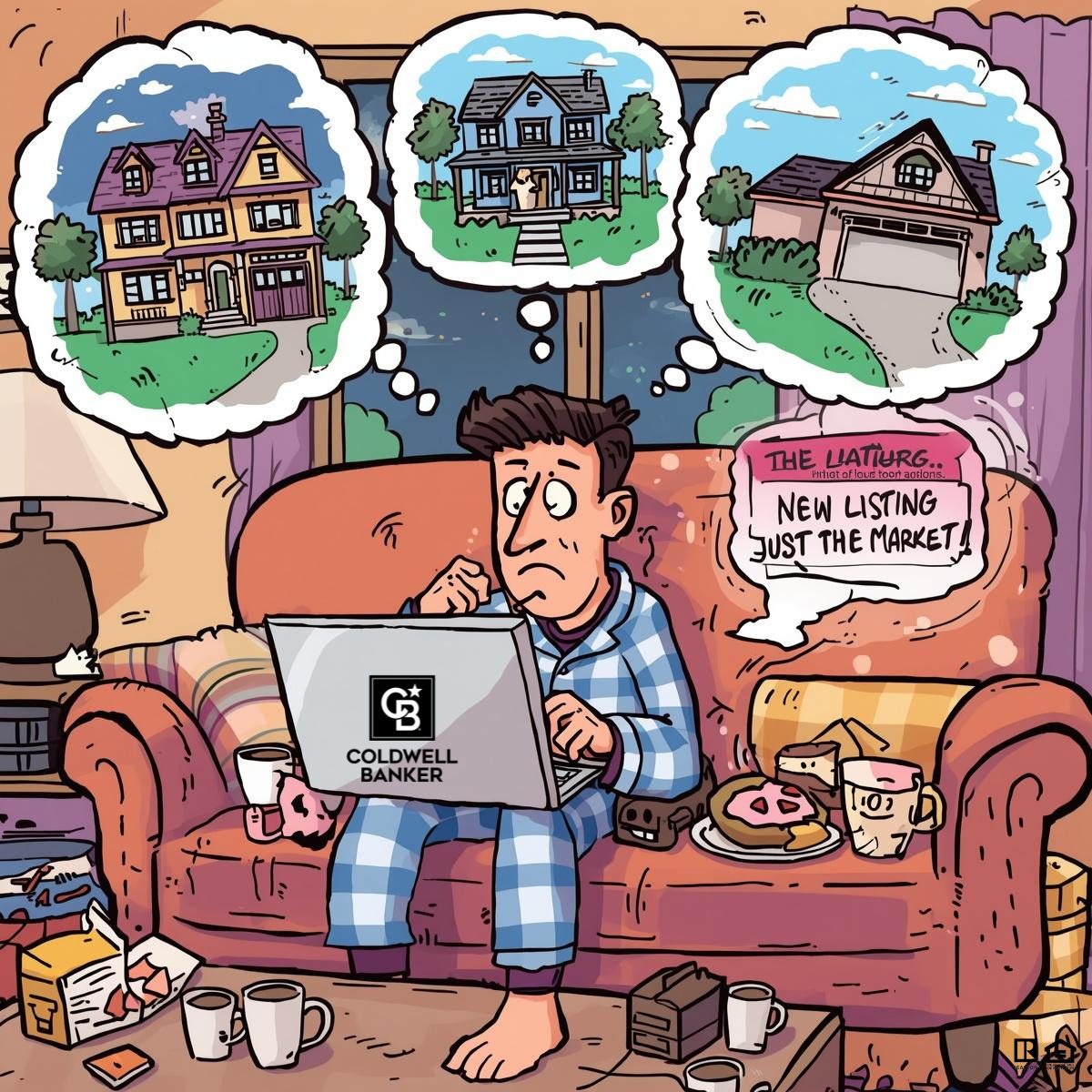
Many people begin their home search the same way.
They open a real estate app, scroll through a few listings, and say something like, “We’re just browsing.”
At first, it feels harmless. There is no pressure and no deadline. Curiosity simply leads to a quick look at homes in a favorite neighborhood.
However, something interesting usually happens next.
Browsing slowly turns into imagining.
Buyers start picturing where the couch might go. A backyard suddenly looks perfect for summer cookouts. A front porch feels like the right place for morning coffee.
Before long, “just browsing” turns into something more serious.
After helping many buyers across the Cincinnati area, I have seen this pattern happen again and again. What starts as casual curiosity often becomes the first step toward a real move.
Let’s explore why that happens and what it means for both buyers and sellers.
Why Online Browsing Starts the Home Buying Journey
Today, nearly every home search begins online. Buyers can view hundreds of listings within minutes. Photos, pricing data, and neighborhood maps make exploring homes easier than ever.
According to the National Association of Realtors, roughly 97% of homebuyers use the internet during their home search.
https://www.nar.realtor/research-and-statistics
Because of that access, browsing homes has become part entertainment and part research. Many buyers start casually. Still, exposure to new listings often sparks ideas about lifestyle changes.
Consequently, browsing quickly becomes intentional.
Once someone sees a home that feels right, curiosity turns into real planning.
The Emotional Side of Home Shopping
Real estate decisions are not purely financial. Emotions play a powerful role.
A beautiful kitchen may inspire thoughts of holiday dinners. A quiet backyard might feel perfect for relaxing after work. Meanwhile, a finished basement could look ideal for movie nights or game days.
Therefore, browsing homes can feel surprisingly personal.
Buyers often connect with a property long before they schedule a showing. Because of that emotional connection, browsing tends to accelerate the decision-making process.
Suddenly, the search feels less like entertainment and more like a possibility.
Market Conditions Can Turn Browsers Into Buyers
Market conditions also influence how quickly browsing becomes serious.
Inventory levels change often. Interest rates shift. New listings appear daily.
As a result, buyers sometimes stumble across homes that feel like an opportunity.
For example, a house may appear in a desirable neighborhood at a competitive price. Alternatively, mortgage rates may drop slightly, improving affordability.
Data from the Federal Reserve Economic Data housing database shows how housing supply and mortgage rates influence buyer behavior.
When buyers see the right combination of price, location, and timing, browsing turns into action.
Lifestyle Goals Often Drive the Search
Another reason browsing rarely stays casual is lifestyle motivation.
Homes represent daily life, not just square footage.
Buyers often begin imagining:
• walking to a nearby coffee shop
• hosting family gatherings
• giving kids space to play
• creating a home office
• enjoying a quieter neighborhood
Once people visualize a better lifestyle, motivation increases.
As a result, browsing listings can quickly become a serious search for the right environment.
Local Market Reality in Cincinnati
Here in the Cincinnati area, homes often move quickly in desirable communities.
Neighborhoods such as Milford, Loveland, Anderson Township, and Union Township continue attracting strong buyer interest. Consequently, well-priced homes often receive attention soon after hitting the market.
Because of that pace, buyers benefit from preparing early.
Even if someone begins browsing casually, understanding the local market helps them respond when the right home appears.
You can explore additional local insights here:
https://mikemcentush.sites.cbmoxi.com/cincinnati-real-estate-blog-tips-news
That blog shares Cincinnati market updates, buying tips, and home selling strategies.
Financial Curiosity Often Leads to Action
Many buyers begin browsing simply to understand pricing.
They want to know what homes cost in certain neighborhoods. Some people compare property taxes. Others wonder what monthly payments might look like.
Eventually, curiosity leads to a conversation with a lender.
At that point, buyers may realize a home purchase fits their budget sooner than expected.
Resources like the Consumer Financial Protection Bureau mortgage guide help buyers understand financing and payment options.
https://www.consumerfinance.gov/owning-a-home/
Once financial clarity appears, browsing becomes purposeful.
Buyers start planning instead of dreaming.
Sellers Benefit From Casual Browsers
Interestingly, browsing behavior helps sellers too.
Many buyers actively watching listings are still undecided. They are learning the market. They are comparing homes.
Because of that, a well-presented listing can capture their attention immediately.
Strong listing photos, strategic pricing, and smart marketing help convert browsers into showing requests.
Often, the winning buyer is someone who originally said they were “just looking.”
Tips for Buyers Who Are Just Browsing
Browsing can be productive if buyers approach it strategically.
Here are a few tips that make browsing more useful.
Track homes you like
Save listings that stand out. Over time you will notice patterns in what matters most.
Watch neighborhood differences
Home values often vary dramatically between nearby communities.
Study days on market
Homes that remain active longer may present negotiation opportunities.
Understand price per square foot
Comparing price per square foot can reveal hidden value.
Talk to a local REALTOR early
Even casual browsers benefit from professional insight.
Those simple steps turn browsing into meaningful research.
Why a REALTOR Strategy Matters
Online listings show homes. However, they rarely show the full story.
Inspection issues, negotiation strategies, contract terms, and market timing all affect real estate transactions.
A professional REALTOR provides guidance that buyers cannot get from a website.
For example, an experienced agent helps clients understand:
• pricing trends
• neighborhood growth
• offer strategies
• local competition
• market timing
That expertise becomes especially valuable when browsing turns into buying.
Conclusion: Browsing Is Often the First Step
Almost every real estate journey begins casually.
Someone opens a home search app. Another person checks listings during lunch. A couple might scroll through homes while watching TV.
At first, the search feels harmless.
Yet browsing has a powerful effect. It introduces possibilities. It creates inspiration. It often sparks the idea that a move might actually make sense.
Eventually, curiosity turns into planning.
Planning leads to showings. Showings lead to offers. Offers lead to a new home.
Browsing, therefore, is rarely just browsing.
Instead, it is usually the beginning of the next chapter.
Thinking About Buying or Selling in Cincinnati?
If you have been browsing homes lately, you might already be closer to a move than you realize.
Understanding the local market can make the difference between missing opportunities and making smart decisions.
📅 Schedule a time to talk here
https://tinyurl.com/Schedulea30MinuteCall
You can also subscribe to my Cincinnati real estate blog for more insights:
https://mikemcentush.sites.cbmoxi.com/cincinnati-real-estate-blog-tips-news
#RealEstate, #HomeBuying, #HouseHunting, #CincinnatiRealEstate, #HousingMarket, #HomeSearch, #RealtorLife, #MikeSellsCincyHomes, #ColdwellBankerRealty, #FirstTimeHomeBuyer, #HomeSelling, #PropertySearch
