

 Facebook
 X
X
 Pinterest
 Copy Link
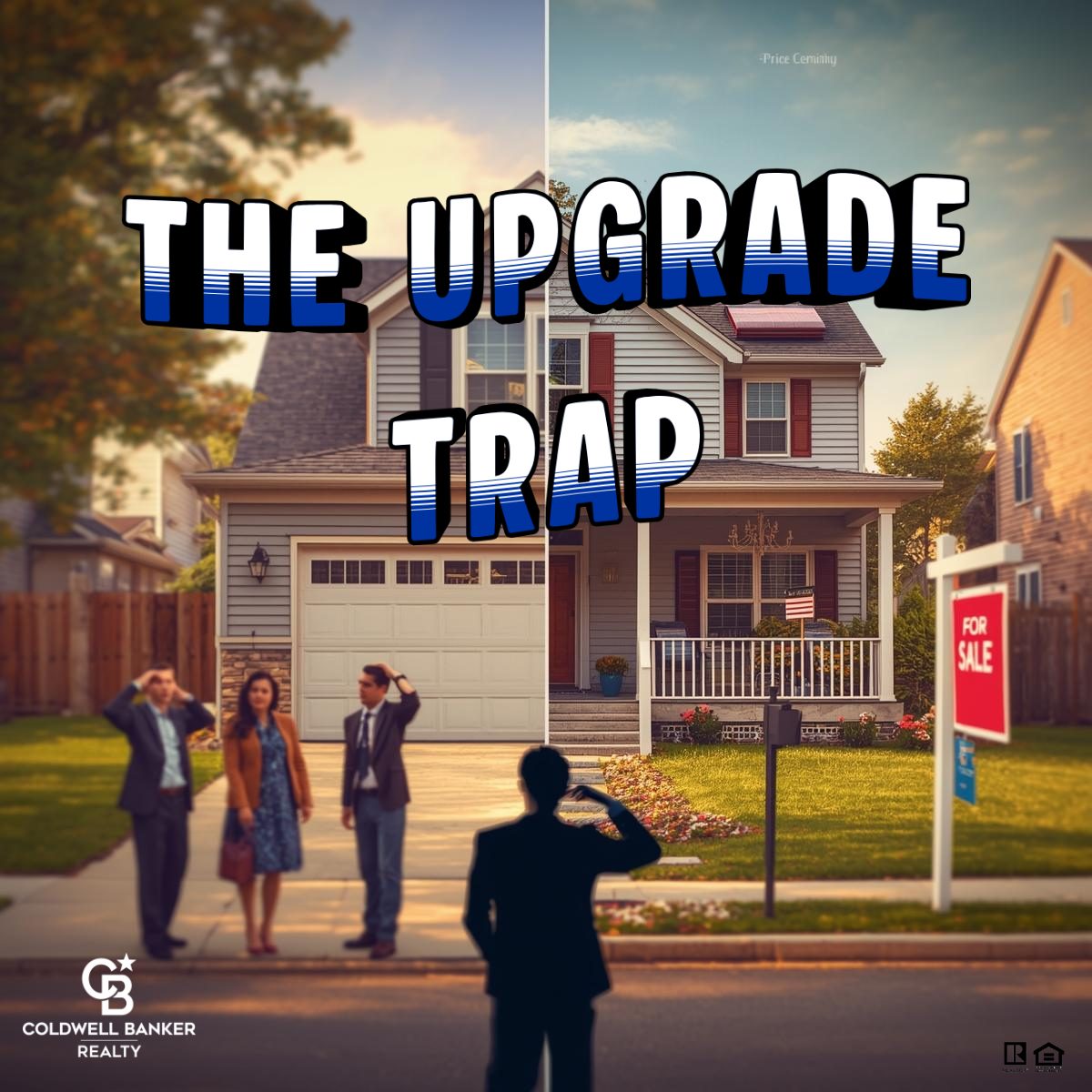
It feels good to upgrade your home.
New floors. A dream kitchen. Custom built-ins. Heated tile.
However, when it comes time to sell, not every upgrade pays you back. In fact, some improvements can limit your resale value.
As a full-time REALTOR® here in Greater Cincinnati, I see this happen often. Homeowners invest heavily. Yet buyers hesitate. Why? Because the upgrades do not match the neighborhood price range.
So let’s talk about it in simple terms.
Why This Matters in Today’s Market 📊
The housing market shifts constantly. Interest rates move. Inventory changes. Buyer demand rises and falls.
Because of that, pricing strategy matters more than ever.
According to the National Association of Realtors (https://www.nar.realtor/research-and-statistics), buyers focus on layout, condition, and price first. High-end custom upgrades rank much lower than most homeowners expect.
In addition, research from Zillow (https://www.zillow.com/research/) shows that many luxury remodels recover only part of their cost at resale.
That means the market sets value. Personal taste does not.
What Over-Improving Really Means 🛠️
Over-improving happens when your renovations push your home far above neighborhood standards.
For example:
-
Installing a $120,000 chef’s kitchen in a $350,000 subdivision
-
Adding imported marble and high-end fixtures in a starter home community
-
Converting a bedroom into a theater room where buyers need three bedrooms
Although these upgrades may look incredible, buyers compare your home to recent sales nearby.
If surrounding homes sell for less, you hit a ceiling.
The Neighborhood Ceiling Effect 🏘️
Every area has a price cap.
Buyers look at comparable sales. Appraisers do the same. Lenders rely on those appraisals.
According to the Federal Housing Finance Agency (https://www.fhfa.gov), appraisals must align with recent market data. Renovation receipts alone do not determine value.
Therefore, even a stunning remodel may not fully appraise. That can create financing problems.
As a result, fewer buyers qualify.
And fewer buyers means less competition.
What Actually Brings Strong ROI 📈
Now here is the good news. Some improvements do perform well.
The annual Cost vs. Value Report by Remodeling Magazine (https://www.remodeling.hw.net/cost-vs-value) consistently shows that moderate upgrades often outperform luxury remodels in percentage return.
Projects with strong resale value usually include:
-
Minor kitchen updates
-
Bathroom refreshes
-
Garage door replacement
-
Exterior paint
-
Landscaping improvements
In other words, clean and updated wins. Ultra-custom does not always.
Buyer Psychology Matters 🧠
Buyers want to picture themselves living in the home.
If finishes are too personal, that becomes harder.
Bold tile. Custom murals. Extreme color choices. Specialty rooms.
Instead of seeing value, buyers calculate what it will cost to change it.
On the other hand, neutral finishes feel safe. Light paint feels fresh. Functional space feels practical.
And practicality sells.
Lifestyle vs. Resale 🏠
Before starting a big renovation, ask one simple question:
Is this for me, or for resale?
If you plan to stay 15 years, enjoyment may matter more than ROI.
However, if you might sell within five years, strategy becomes critical.
In that case, balanced upgrades protect equity.
Local Cincinnati Market Insight 📍
Here in Clermont County and the Cincinnati East Side, price bands matter.
Homes in certain ranges attract heavy traffic. Yet once a property jumps well above comparable sales, activity slows.
Buyers are smart. They compare price per square foot. They analyze condition. They study recent closings.
Because of that, over-improving can shrink your buyer pool.
If you want to see where your home fits today, grab a quick estimate here:
👉 https://tinyurl.com/OurHomeEstimate
Knowing your position helps guide renovation decisions.
Financial Considerations 💰
Renovations cost real money.
Some homeowners use savings. Others tap home equity. Some refinance.
However, borrowing costs affect total return.
Additionally, tying up capital in upgrades may limit flexibility later.
Instead, focus on improvements that:
-
Match neighborhood standards
-
Improve functionality
-
Increase energy efficiency
-
Appeal to broad buyer demand
Energy upgrades, for example, matter more than ever. The U.S. Department of Energy (https://www.energy.gov/energysaver/home-energy-assessments) highlights how efficiency reduces long-term costs. Buyers pay attention to monthly expenses.
Lower utility bills are attractive.
Smart Home Search Lessons 🔎
Every week, I walk through homes with buyers. Patterns become clear.
Homes priced correctly move quickly.
Homes aligned with neighborhood expectations create competition.
Properties that overshoot value tend to sit longer.
Longer days on market often lead to price reductions.
Momentum matters in real estate.
If you want ongoing insights into what is selling locally, check out the blog here:
👉 https://mikemcentush.sites.cbmoxi.com/cincinnati-real-estate-blog-tips-news
Staying informed helps you make better decisions.
Professional REALTOR® Strategy Advice 🧭
Before spending six figures on upgrades, talk with a local expert.
A smart consultation includes:
-
Comparative market analysis
-
Neighborhood ceiling evaluation
-
ROI guidance
-
Buyer demand trends
-
Timing strategy
That conversation can save you thousands.
Real estate is both emotional and financial. However, strategy protects equity.
If you are considering updates, selling, or simply planning ahead, let’s build a clear plan together.
📅 Schedule a 30-minute strategy call here:
👉 https://tinyurl.com/Schedulea30MinuteCall
📬 Subscribe for weekly Cincinnati market insights here:
👉 https://mikemcentush.sites.cbmoxi.com/cincinnati-real-estate-blog-tips-news
#realestate, #homeselling, #homevalue, #homeimprovement, #cincinnatirealestate, #ClermontCountyHomes, #housingmarket, #realestatetips, #REALTORlife, #equity
